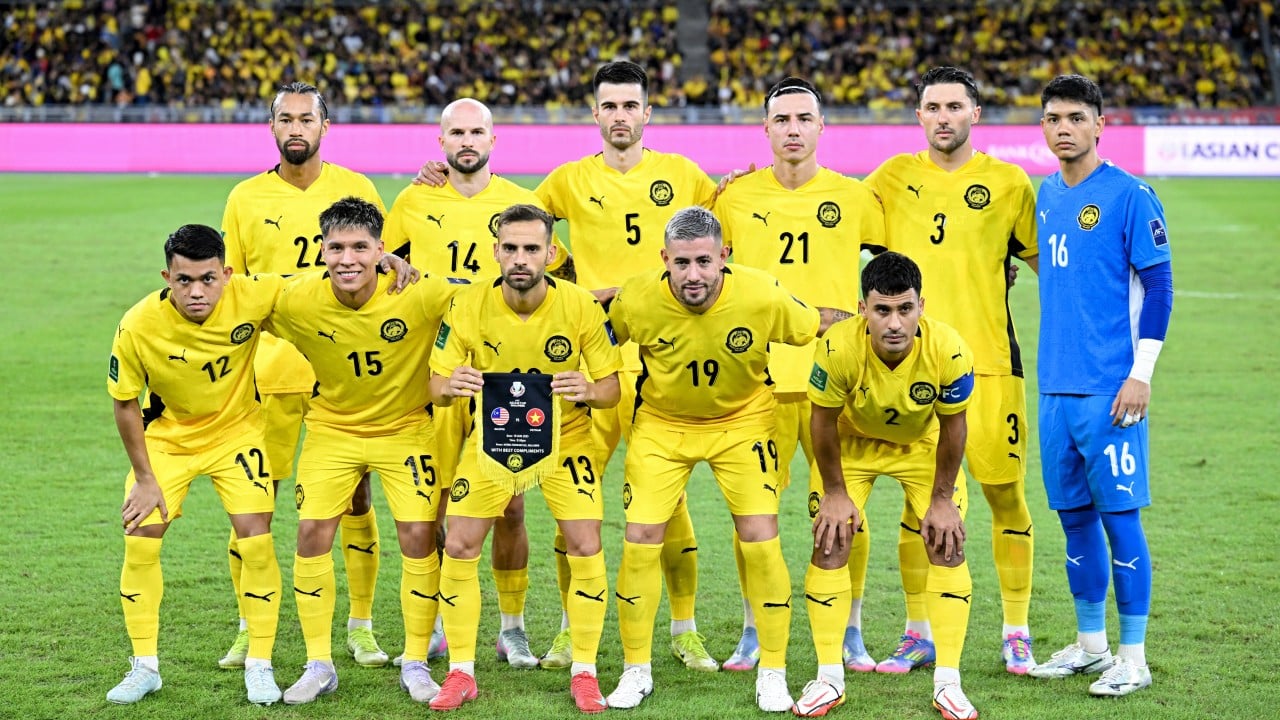
CAS Eases Sanctions on Malaysian Footballers, Reduces Bans to One Year
The Court of Arbitration for Sport's decision to reduce bans exposes ongoing issues of integrity in international football. This could embolden similar abuses in the future, undermining the sport's credibility across the region.
The Court of Arbitration for Sport (CAS) has significantly diminished the sanctions imposed on seven Malaysian footballers, who faced consequences for participating in international matches using fraudulent naturalisation documents. Instead of lifetime bans, these players will now serve a 12-month suspension from official matches. This ruling comes following FIFA's initial imposition of a one-year ban in September after an investigation into the players' use of doctored documentation during an Asian Cup qualifier against Vietnam.
This controversy stems from actions taken by the Malaysian Football Federation that have raised serious questions about governance and ethics within the sport. The involvement of falsified documents indicates a wider culture of corruption that jeopardizes the integrity of competition. This event is not isolated; it highlights persistent issues within international football where enforcement of regulations often falls short, enabling misconduct.
The significance of CAS's ruling cannot be overstated as it sends a message to governing bodies about the consequences of lax regulatory measures. If athletes can skirt serious penalties for fraudulent actions, it opens the door for similar behavior across the globe. The lack of stringent repercussions undermines the efforts of genuine athletes and could erode fan confidence in the sport.
The key actors in this scenario—the Malaysian Football Federation and the players involved—are likely motivated by a desire to bolster the national team's competitiveness on an international stage. Their actions seem driven by the desperate pursuit of success, regardless of the ethical implications. This places pressure on regulatory bodies to reconsider their approach to enforcement and compliance.
Operationally, the ruling allows these players to return to the pitch after only one year, potentially altering the dynamics in regional competitions. The seven players, including Deportivo Alaves’ Facundo Garces, were critical to Malaysia's squad, suggesting that their absence or presence can significantly impact match outcomes. Moreover, the budget implications of losing key players for an extended period could have been detrimental to team performance and financial support from sponsors.
As a result of this easing of sanctions, the likelihood of similar incidents resurfaces given the precedent set. The decision could allow for a normalization of unethical practices within football, thereby raising questions about player eligibility not just in Malaysia, but across Asia. Such actions may embolden others to exploit loopholes in regulations without fear of severe consequences.
Reflecting on historical precedents, this incident recalls previous controversies where players or teams faced scrutiny over the legitimacy of their registrations. Those prior cases often led to temporary sanctions that did little to deter ongoing malpractice, suggesting a cycle that may repeat itself in this instance as well.
Looking forward, analysts should closely monitor the response from FIFA and other governing bodies. Will there be a renewed commitment to strict enforcement, or will they allow this ruling to set a damaging precedent? Additionally, watch for governmental pressure on the Malaysian Football Federation to implement reforms targeting ethical practices, especially as scrutiny from international observers increases.