Canada Joins Japan’s 6th-Gen Fighter Project, Intensifying Asia Arms Race
Canada's entry into the Global Combat Air Programme accelerates Japan's push to field advanced sixth-generation stealth fighters, challenging China's rapid air power modernization and shifting East Asian military balance.
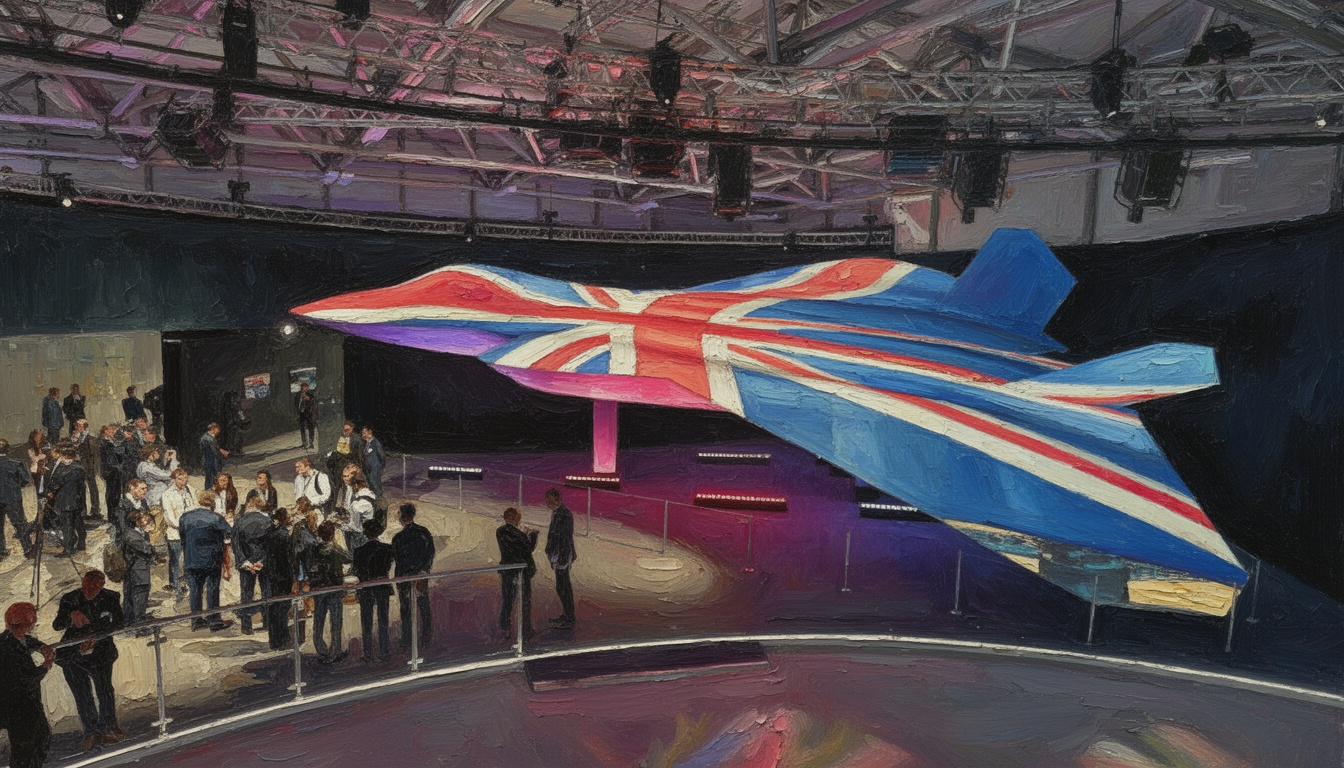
Canada has formally declared its participation in the Global Combat Air Programme (GCAP), a multinational effort led by Japan, the United Kingdom, and Italy to develop a sixth-generation stealth fighter jet. This collaboration marks a strategic enhancement of Japan's ambitions to replace its aging F-2 fleet.
Japan launched GCAP to close the air combat technology gap with China, whose air force is rapidly modernizing with advanced platforms like the J-20 stealth fighter. The inclusion of Canada, a major Western military power, intensifies the program's capabilities and geopolitical weight.
The strategic significance lies in bolstering allied air power interoperability and technology sharing to counter China’s expanding military influence in the Indo-Pacific. Canada's advanced aerospace industry and defense innovation provide critical expertise and resources to the program.
GCAP plans to develop stealthy sixth-generation fighter aircraft equipped with advanced sensors, AI-driven systems, and networked warfare capabilities to prepare for future contested airspaces. Japan aims to field these aircraft by the late 2030s, integrating cutting-edge electronic warfare and hypersonic weapons.
This development likely accelerates the regional arms competition, prompting China to escalate its own fighter programs. The alliance of Japan, UK, Italy, and Canada in GCAP signals a robust Western commitment to rebalance Asia-Pacific security dynamics and fortify deterrence against Chinese military advances.