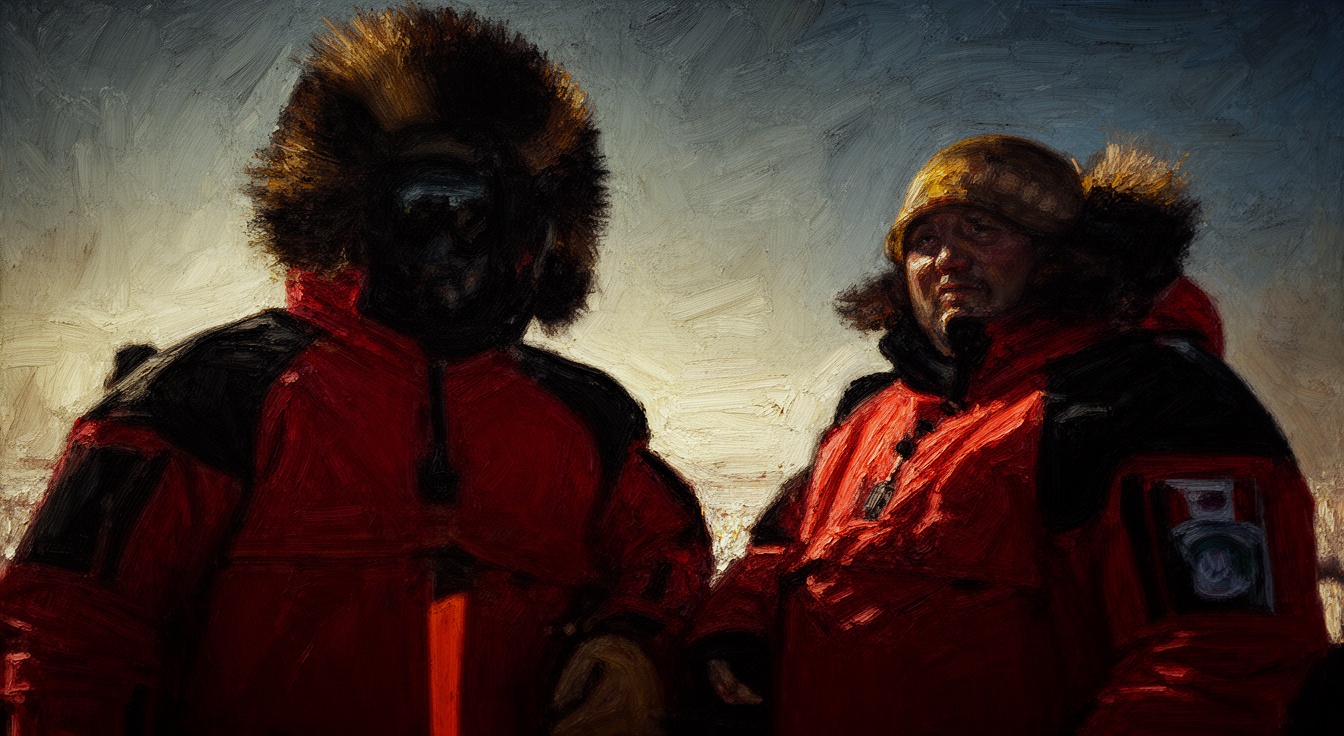
Canada grapples with Arctic shift as 1,300 troops endure winter task
Canada’s Arctic mission tests 1,300 personnel over two winters across 5,200 km, confronting a rapidly changing north. The operation underscores shifting conditions, new logistics demands, and rising strategic stakes in the High North. It signals a reorientation in force posture and regional deterrence.
The core development is blunt: Canada’s armed forces completed a high-latitude deployment that stretched 5,200 kilometers across the Arctic, with about 1,300 personnel spending two consecutive winter campaigns to confront a shifting north. The operation highlights the blunt reality that cold, remote terrain now serves as the proving ground for readiness, endurance, and joint integration under extreme weather. Weather, distance, and supply lines formed the trilogy of hard constraints guiding execution. The mission translates climate-driven changes into operational risk, forcing commanders to adapt doctrine quickly to keep pace with a transformed frontier.
The background is contextually grounded in a broader Arctic recalibration. As ice regimes retire and wind up new maritime routes, Canada’s north becomes a proving ground for resilience and responsiveness. The mission sample size—over two winters and thousands of kilometers—reflects a deliberate shift from episodic, seasonal presence to sustained, multi-year presence. The exercise framework places emphasis on mobility, endurance, and interoperability among army, navy, and air components operating in a harsh regime. Analysts will watch for how this experience translates into ongoing force posture and regional signaling to allies and competitors alike.
Strategically, the undertaking signals that the High North has moved from a permissive environment to a demanding arena for power projection and deterrence. Climate-driven changes elevate the strategic importance of Arctic infrastructure, communications, and supply chains. The operation injects a practical demonstration of Canada’s commitment to defend and shape northern access, while sending a message about resilience of critical Arctic capabilities to potential challengers. The temporally extended presence also raises questions about burden-sharing with partners and the pace of modernization investments across the Canadian Forces.
Technical and operational details: the deployment encompassed 5,200 kilometers of Arctic terrain and involved roughly 1,300 personnel, spanning multiple services. The two-winter window demanded robust cold-weather gear, specialized mobility platforms, and logistics that can operate in remote, austere conditions. The force likely combined infantry, sappers, medical teams, aviation support, and maritime elements to secure movement corridors and sustain supply lines in freezing conditions. Budget lines, equipment refresh cycles, and maintenance demands are being reassessed to sustain a long-term Arctic footprint.
Consequences and forward assessment: the Arctic becomes a perpetual theater for testing resilience, reconnaissance, and rapid response capabilities. If Canada sustains this tempo, expect intensified investments in cold-weather training, ISR tooling, and Arctic infrastructure. The long-term signal is a deterrence calculus that relies on endurance, not momentary demonstrations. In the near term, the mission will influence alliance planning, joint exercises with NATO partners, and the prioritization of northern domain awareness across allied networks.