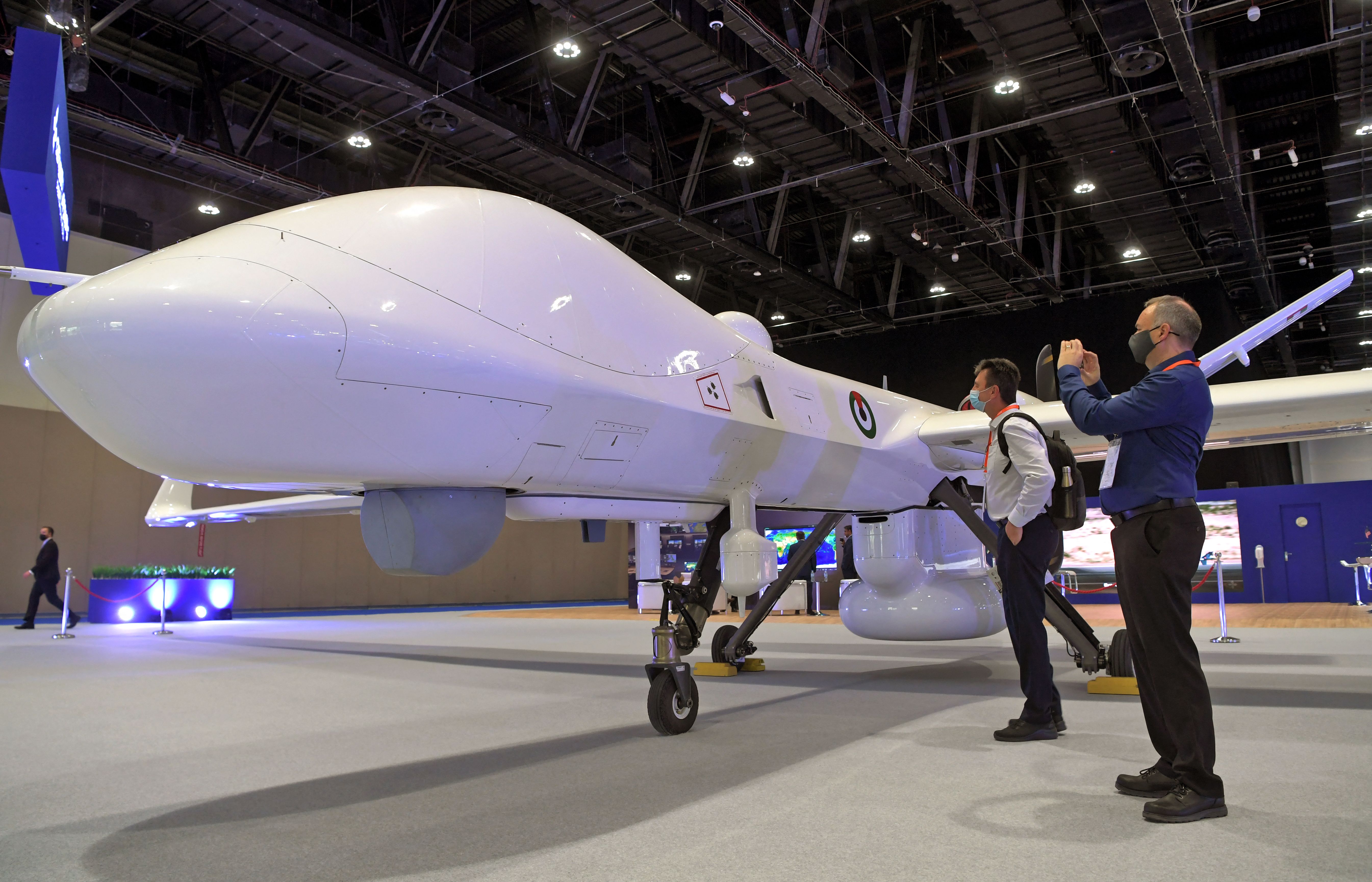
Canada and Denmark Order MQ-9B Drones for Arctic Surveillance Cooperation
Canada and Denmark's procurement of MQ-9B drones signifies a potential strategic partnership in Arctic monitoring. This development may enhance regional security collaboration in the High North as both nations respond to increasing geopolitical tensions in the Arctic region.
Canada and Denmark have placed orders for MQ-9B drones from General Dynamics, with deliveries expected in the coming years. These advanced unmanned aerial vehicles possess enhanced surveillance capabilities, enabling both nations to conduct comprehensive monitoring of Arctic activities. The decision reflects a shared interest in bolstering defense operations in an increasingly contested environment, particularly as climate change opens new navigation routes and resource extraction opportunities in the High North.
The strategic significance of this procurement lies in the evolving geopolitical dynamics in the Arctic region, where interest from major powers like Russia and China has intensified. The acquisition of MQ-9B drones by these NATO allies enhances their ability to coordinate surveillance efforts, potentially establishing frameworks for joint operations and information sharing. As territorial claims in the Arctic become more pronounced, effective monitoring systems are crucial for maintaining national security and responding to potential threats.
Key players include the Canadian and Danish governments, both of which are motivated by the need for improved reconnaissance capabilities to assert their sovereignty in Arctic waters. Additionally, they aim to deter adversarial influence from non-Arctic states, thereby reinforcing their alliance within NATO. This aligns with broader defense strategies focused on Arctic security and operational readiness in the face of emerging challenges.
The implications of this cooperation extend beyond bilateral relations, potentially impacting regional security arrangements and fostering stronger collaborations among Arctic Council members. Enhanced surveillance capabilities could allow for timely responses to incursions by rival powers, ensuring a balance of presence in the area. Moreover, it may encourage other Arctic nations to reassess their own defense postures and capabilities regarding aerial surveillance.
Historically, the Arctic has seen a gradual militarization, particularly by Russia, through the establishment of bases and increased naval operations. The collaboration between Canada and Denmark counters any perception of vulnerability that may embolden aggressive actions by rival states. Their synchronized procurement of MQ-9B drones establishes a precedent for effective partnerships among Arctic nations in air defense and marine surveillance.
Analysts project that the successful integration of these drones into Arctic operations will lead to increased interoperability among NATO allies and greater deterrence against external threats. Future developments should be monitored closely, especially as other Arctic nations may respond by enhancing their surveillance technologies and capabilities, thus intensifying the competitive landscape in the region.