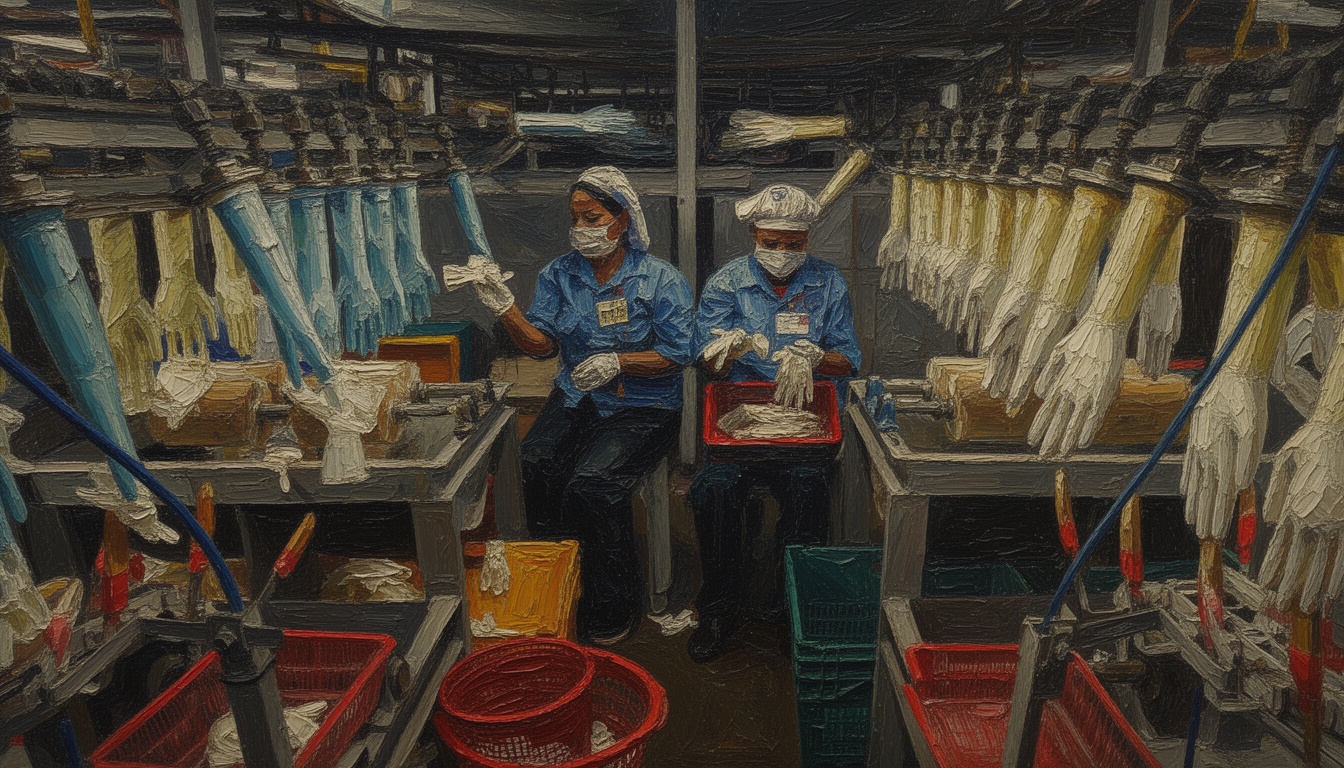
Glove prices surge as Malaysian makers hike by 40% amid supply choke
Malaysian rubber glove producers push prices up by about 40% to as much as US$29 per box of 1,000, citing input shortages tied to the Iran war. The price spike and warnings of production cuts threaten healthcare supply chains and patient care in multiple markets. Analysts warn sustained disruption could trigger shortages by late May, with broader implications for global medical procurement and biosecurity readiness.
The core development is blunt: rubber glove manufacturers in Malaysia have escalated prices by roughly 40%, with boxes of 1,000 gloves reaching as high as US$29. The move follows warnings that the Iran war is constraining inputs used in glove production, prompting talks of potential production cuts. Industry analysts describe this as a material risk to healthcare supply chains that rely on Malaysian gloves as a standard procurement item. The immediate effect is higher acquisition costs for hospitals and distributors across several regions, compounding already stretched inventories.
Background: Malaysia is a leading glove producer whose exports feed hospitals worldwide. The border between supply security and price volatility has tightened since the conflict elevated freight costs and disrupted inputs such as synthetic rubber. Market watchers point to a squeeze on feedstocks, logistics delays, and currency fluctuations as contributing factors. Health systems facing chronic equipment shortages now confront an additional price shock that could dampen procurement discipline. The situation is sending ripples through PPE supply planning and strategic stockpiles.
Strategic significance: The price shock in gloves intersects with global health resilience and regional geopolitics. Countries with limited domestic glove production face increased exposure to price cycles and potential shortages during surges in demand, such as during health crises or pandemics. The dynamics also test supply-chain diversification, supplier credit terms, and the resilience of public procurement frameworks. For defense-related healthcare logistics, the disruption highlights the need for redundancy in critical PPE and resilience thinking in national security planning.
Technical/operational details: The price increase is pegged at about 40% on average, with some box prices reaching US$29 for 1,000 units. CIMB Securities analyst notes the higher price point reflects tighter input markets for synthetic rubber gloves. Industry cautions point to possible production cuts if input costs remain elevated or if supply lines fail to stabilize. The exact mix of glove types affected (synthetic rubber versus latex) is not fully clarified, but the trend signals broad PPE price pressure in the near term.
Consequences and forward assessment: Hospitals and distributors could experience tighter margins and slower PPE replenishment timelines. If input disruption persists into late May, glove shortages may emerge in multiple markets, affecting patient care and infection control. Policymakers and health systems will need to reassess stock levels, price benchmarks, and supplier diversification to maintain continuity of care while broader geopolitical tensions unfold.