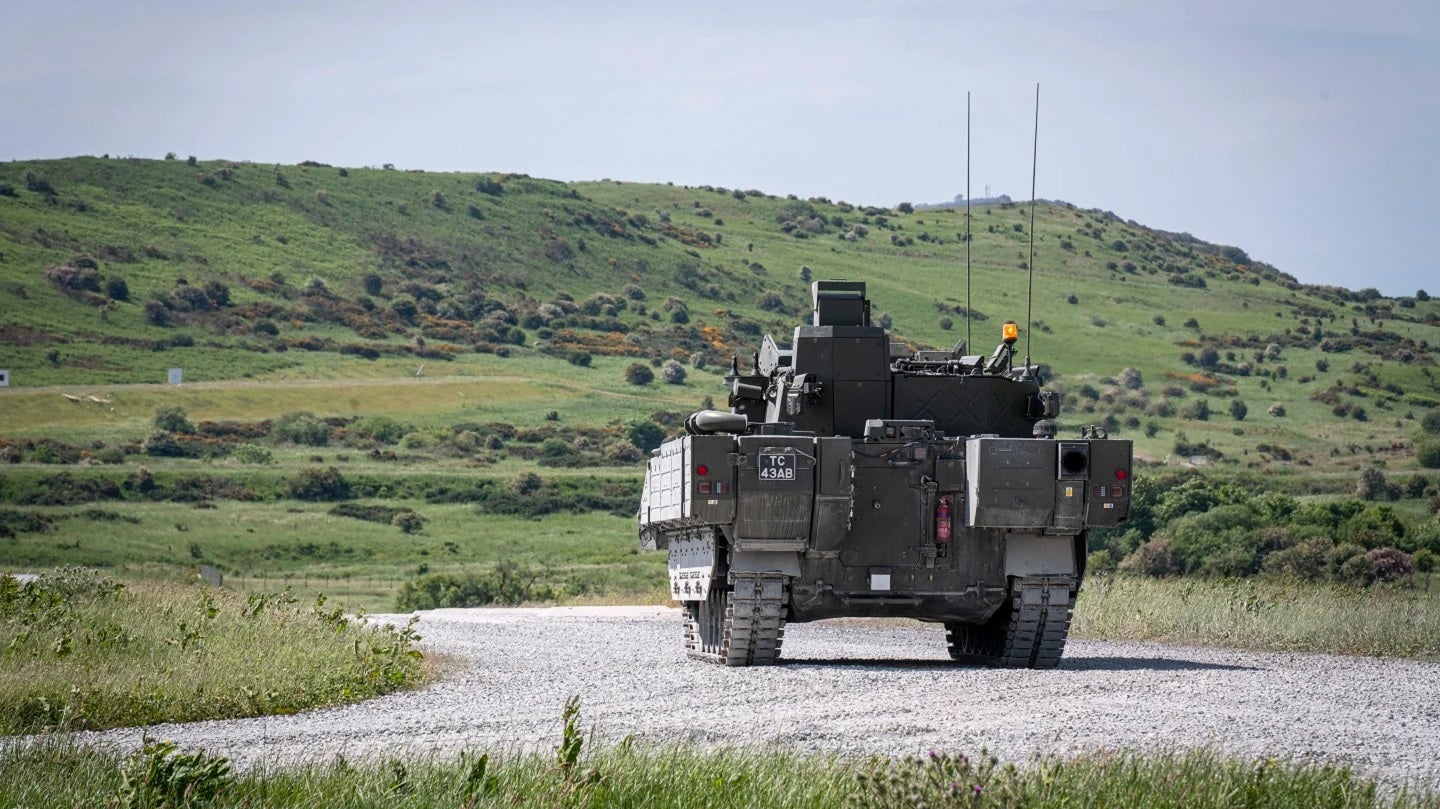
Britain's Ajax Armoured Vehicle Trials to Restart After 12 Years
The British Army is reviving its Ajax armoured vehicle trials, a significant but delayed development for its ground forces.
The British Army's Ajax armoured vehicle trials will resume after a staggering 12-year hiatus, a critical step for a program that has faced ongoing setbacks. Originally contracted for production in 2010, the vehicle has struggled with a range of issues, including performance and safety concerns, leading to a protracted delay in delivery and operational deployment.
The Ajax program aims to modernize the British Army's reconnaissance capabilities with advanced technology and increased firepower. However, frequent technical challenges, including noise and vibration problems during testing, have stunted progress and raised concerns about the vehicle's effectiveness on the battlefield. The resumption of trials represents a cautious attempt to address these issues and bring a much-needed upgrade to the Army's armoured fleet.
Strategically, the Ajax vehicle is intended to enhance situational awareness and operability in complex theatres. Its reintegration into the trials phase could reflect a renewed focus on modernizing the British Army, especially as it faces evolving threats and operational demands. The implications for regional security are significant, as a functioning Ajax unit could bolster the deterrence posture against adversaries.
Operationally, the Ajax vehicle is designed to provide advanced reconnaissance, superior optics, and a high level of survivability. Details about the specific capabilities of the trials are still emerging, but expectations are high that these tests will yield actionable insights for potential improvements and necessary adjustments to the design.
The successful restart of the Ajax trials could mark a turning point for the British Army, reinvigorating interest in its modernization efforts. However, the military must ensure that the program doesn't suffer further delays. Should the trials proceed effectively, it may set a precedent for future defense projects focusing on technological advancement and operational readiness in the face of uncertainty in global security landscapes.