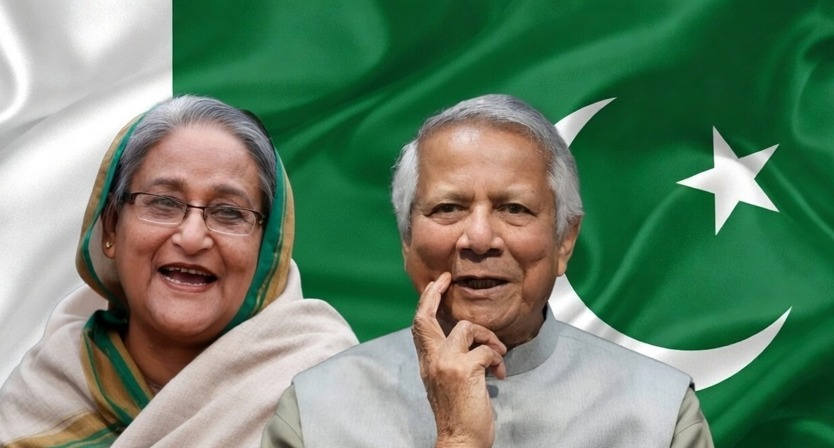
Bribery Scandal Devastates Bangladesh's War Crimes Tribunal
A bribery scandal involving Nobel Laureate Muhammad Yunus has rocked Bangladesh's International Crimes Tribunal, undermining its mission to deliver justice for the 1971 war atrocities. This development threatens to erode trust in the tribunal and heighten domestic political tensions.
Bangladesh's International Crimes Tribunal, established to deliver justice for the 1971 war atrocities, is now embroiled in a bribery scandal allegedly involving Nobel Laureate Muhammad Yunus. The tribunal, once seen as a pillar of accountability for historical war crimes, is now facing serious credibility issues.
Since its inception, the tribunal has held a symbolic importance in Bangladesh, tasked with prosecuting heinous crimes committed during the liberation war against Pakistan. This latest scandal, however, casts doubt on its integrity and effectiveness, potentially derailing its mission.
The allegations against Yunus are particularly significant due to his global stature as a champion of social justice and economic development. His involvement in this scandal could have wide-reaching implications not only for the tribunal but also for international perceptions of Bangladesh's judicial processes.
Yunus, known for his groundbreaking work with microfinance institutions, is under scrutiny by the Bangladeshi government, which has allegedly accused him of influencing tribunal decisions through illicit means. His real motivations, critics argue, may intertwine with both personal and political interests.
The tribunal, established through Bangladeshi legislation, is tasked with investigating and prosecuting those accused of genocide, war crimes, and crimes against humanity. Reports suggest that financial inducements to sway verdicts may involve substantial sums, putting into question the tribunal's procedural integrity.
If proven, these allegations could lead to a domestic political crisis, exacerbating tensions between the ruling party and opposition groups. This situation may stall ongoing cases and impact future accountability for wartime atrocities.
Historically, judicial intervention in Bangladesh related to the tribunal has been fraught with controversy, invoking memories of politicization during previous administrations. Comparatively, this scandal could rival past crises in scale and complexity.
Given the severity of these accusations, the international community will closely watch the developments, scrutinizing Bangladesh’s commitment to upholding judicial integrity. Key indicators will include government actions, tribunal responses, and potential international diplomatic repercussions.