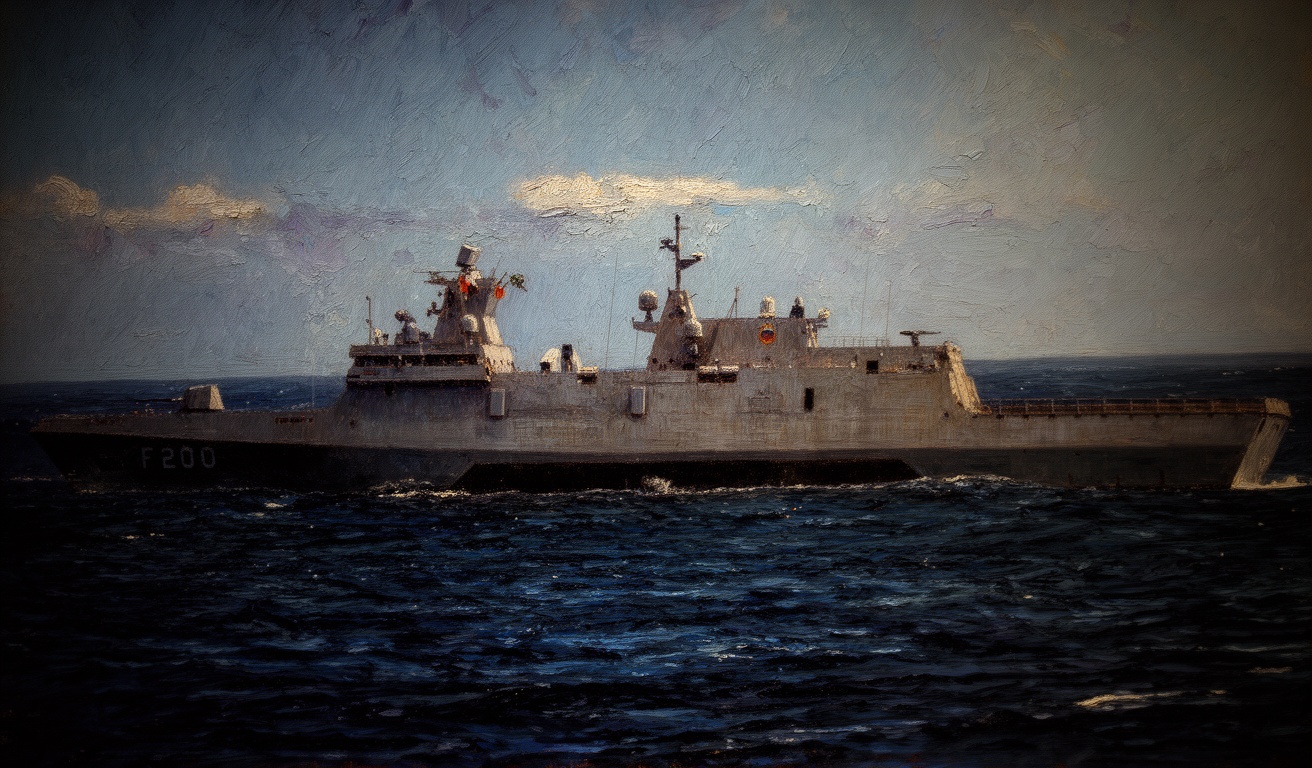
Brazilian Navy to Order Four More Tamandaré-class Frigates
The Brazilian Navy plans a fresh acquisition wave, adding four Tamandaré-class frigates to its Surface Fleet Renewal Programme (PROSUPER). With the first unit already set for commissioning, Brazil signals a sustained push to modernize its surface combat power. The announced order underpins a broader strategy to elevate maritime deterrence and regional presence.
The Brazilian Navy has moved to expand its Tamandaré-class frigate line, announcing plans to order four additional ships. This follows the ongoing PROSUPER program, which has already brought four Tamandaré-class frigates into the fleet. The first unit is slated for commissioning into operational service, marking a milestone for Brazil's naval modernization drive. The move signals a continuing push to grow the country’s blue-water and regional power projection capabilities. Officials described the expansion as a necessary step to maintain a capable surface fleet in a changing maritime security environment.
Context for this push lies in Brazil's broader defence reform agenda, which aims to replace aging vessels with modern frigates equipped for versatile missions. The Tamandaré-class program has become a centerpiece of this effort, combining domestic shipbuilding capabilities with international industrial cooperation. The government has framed the expansion as enhancing deterrence, safeguarding Brazil’s vast coastline, and supporting patrolling and anti-narcotics operations in the Atlantic and South Atlantic theaters. Analysts view the plan as a signal of Brazil’s intent to assert greater regional leadership at sea.
Strategically, the four-additional-frigate decision strengthens Brazil’s north-eastern and southern maritime coverage, tying into joint operations with regional partners. It also raises the requirement for maintenance, logistics, and shipyard capacity, potentially drawing increased budget attention from Brasília. The expansion may spur spillover effects on Brazilian defence industry, including suppliers and maintenance ecosystems. In parallel, it could influence neighborly naval diplomacy, possibly reshaping how maritime security tasks are distributed in the Western Atlantic.
Operational specifics for the Tamandaré-class include advanced sensors, air-defense capabilities, and enhanced anti-surface and anti-submarine warfare proficiencies. The F200 forward hulls and sister ships are designed to operate in higher-end spectrum missions, with an emphasis on interoperability with allied navies. Budget allocations tied to PROSUPER will likely emphasize long-term lifecycle costs, including crewing, training, and logistical support. The outcome will hinge on project execution, industrial collaboration, and the ability to sustain a growing, high-readiness surface fleet.
Looking ahead, the four-new-frigates plan will test Brazil’s industrial base and managerial capacity, while expanding its deterrent and presence reach. If realized on schedule, the program could accelerate Brazil’s integration into regional security architectures and joint exercises. Persistent funding and supply-chain resilience will determine whether the ships reach full operational capability in a timely fashion. The net effect could be a modest but meaningful shift in Brazil’s maritime balance and its role in Atlantic security dynamics.