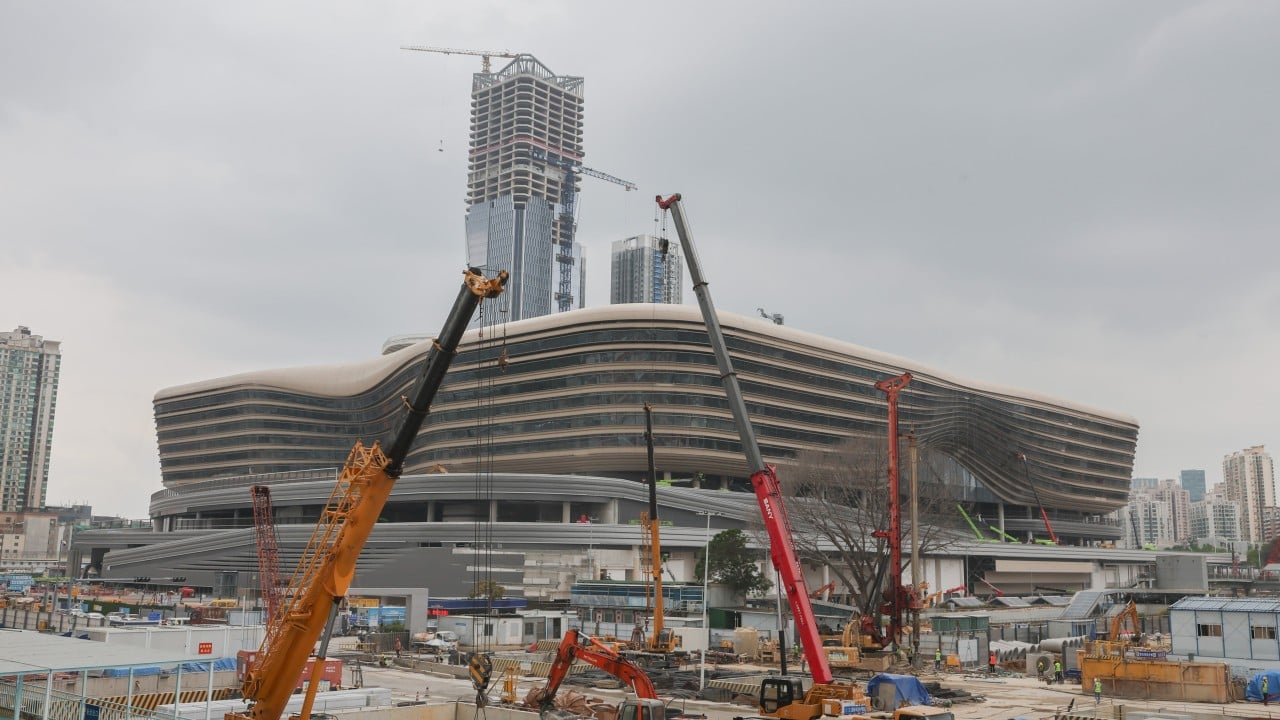
Border crisis worsens as Huanggang crossing lacks parking facilities
The absence of parking at Huanggang border checkpoint heightens congestion risks at a key China-Hong Kong gateway. Lawmakers warn shuttle buses for tourists and motorists will fail to mitigate operational snarls, threatening cross-border trade and transit flow.
Hong Kong lawmakers slam the Huanggang border crossing upgrade for its total lack of parking spaces, a critical flaw at one of the busiest China-Hong Kong checkpoints. The new facility, located on the Shenzhen side, refuses to offer public car parks or coach bays, sparking immediate calls from legislators for urgent solutions.
This checkpoint is vital for passenger and goods transit between Hong Kong and mainland China. Its recent upgrade was intended to streamline cross-border movement, but the absence of parking facilities creates an operational bottleneck. Lawmakers warn the planned shuttle bus service cannot substitute for direct parking access.
Strategically, Huanggang serves as a key node in the Pearl River Delta economic corridor, linking millions of commuters and freight flows daily. Inadequate parking infrastructure risks severe congestion, delays, and increased emissions, undermining both economic efficiency and border security.
The revamped checkpoint building, overseen by Hong Kong’s Security Secretary Chris Tang, excludes any public parking or bus bays. Transport authorities will decide on transportation alternatives, but lawmakers doubt shuttles can handle tour groups and motorists effectively without proper parking.
Looking ahead, the parking shortfall at Huanggang could trigger border snarls, disrupt logistics chains, and heighten frustration among travelers and traders. Without rapid intervention, this flaw threatens to cascade into larger beyond-border trade tensions and operational failures.