Bomb in Two Pepsi Bottles Found at Florida US Base
A bomb disguised inside two 2-litre Pepsi bottles was discovered at MacDill Air Force Base, Florida. This incident exposes security vulnerabilities at key US military installations and highlights the risk posed by makeshift explosive devices near critical infrastructure.
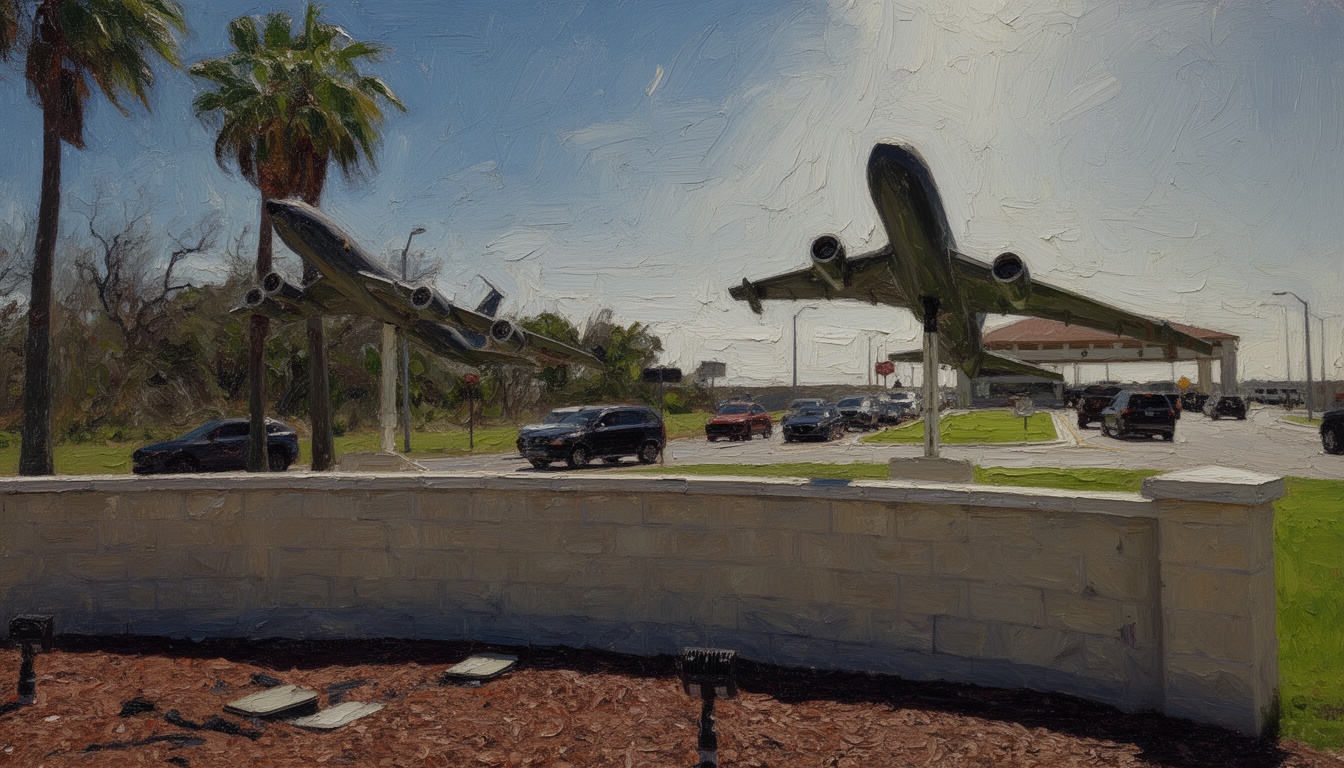
Federal prosecutors revealed that the bomb placed outside the visitors centre of MacDill Air Force Base, Florida, last month was constructed inside two 2-litre cherry Pepsi bottles. Alen Zheng, a 20-year-old from Land O’Lakes, allegedly transported the explosive concealed in his Mercedes SUV and attempted to detonate it on March 10. Despite his attempt to light the fuse, the device failed to explode, preventing potential casualties.
MacDill Air Force Base is a major operational hub for US Central Command and critical to US military activities in the Middle East and South Asia. An attack here represents a direct threat to US strategic capabilities and regional security. This attempt underscores growing concerns about the vulnerability of US bases on home soil to improvised explosive threats.
The improvised bomb’s construction inside consumer soft drink bottles illustrates the ease with which low-tech but potentially deadly devices can be assembled and smuggled into heavily guarded installations. Prosecutors documented that Zheng drove the device in his vehicle's trunk, bypassing perimeter security checks. The device's fuse was ignited but failed, avoiding a possible mass casualty incident.
This case exposes gaps in base security and vigilance protocols against unconventional threats. The FBI and military security agencies are pressing investigations into possible motives and whether Zheng acted independently or part of a wider network. Prosecutors emphasize the bomb's potential to cause extensive harm if detonated.
Going forward, US military bases must review and tighten security measures, especially at visitor access points. The incident highlights the persistent threat posed by domestic actors with access to explosives and the need for coordinated intelligence to preempt such attacks before execution.