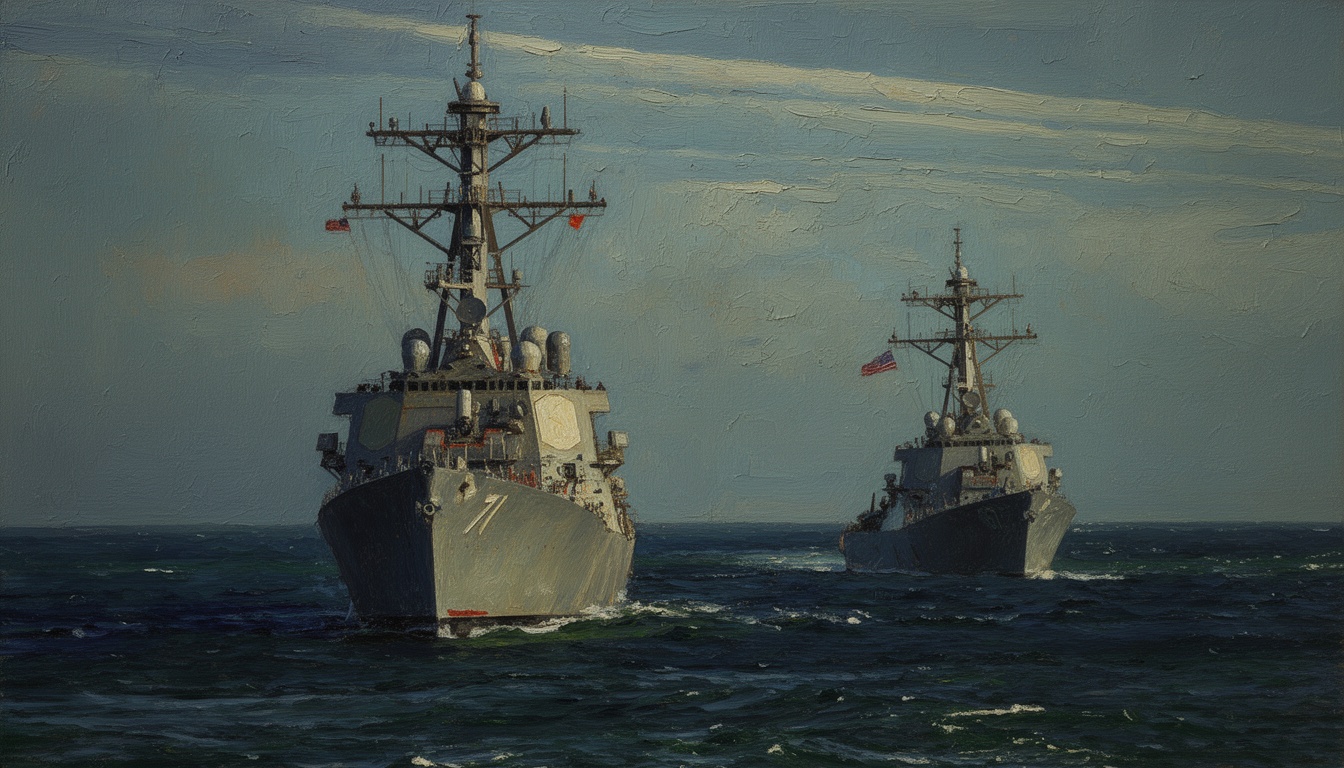
Blockade Holds, CENTCOM Says; Talks Continue
CENTCOM asserts the blockade remains effective as Washington-Tehran communications persist in pursuit of in-person dialogues. The situation keeps pressure on maritime routes and signals a potential de-escalation path if talks yield results. Analysts weigh risk of miscalculation amid ongoing naval activity and diplomatic contact.
CENTCOM asserts the blockade remains effective as communications between Washington and Tehran continue with the aim of resuming in-person talks. The statement frames the maritime pressure as a lever to press for diplomatic engagement, while avoiding public escalation in the absence of confirmed hostilities. Observers caution that naval operations in a high-tension environment increase the risk of misinterpretation or accidental incidents. The claim of operational effectiveness, if accurate, would reflect a coordinated strategy to deter further destabilizing actions while keeping channels open for dialogue.
Background has been shaped by a pattern of high-stakes signaling between the two nations, with the United States leveraging maritime control to constrain Iran’s maritime activities and deter escalation. Iran has periodically asserted its right to navigation freedom and warned against external interference in the Persian Gulf and surrounding waters. The persistence of talks suggests a dual track: maintain pressure at sea while pursuing direct diplomacy to avert a broader confrontation. The broader regional balance hinges on whether dialogue can translate into verifiable steps that reduce risk to civilian shipping and military assets alike.
Strategically, the reported blockade and the diplomatic channel together form a calculated attempt to shape incentives for both sides. If the blockade is indeed functioning, it could complicate Iran’s logistical and economic calculus, especially if linked to multilateral pressure or sanctions alignment. Conversely, successful negotiations could normalize maritime conduct and reduce the likelihood of inadvertent clashes with naval forces in a densely trafficked theater. The situation remains a flashpoint for wider great-power competition, with implications for naval doctrine and alliance cohesion in the region.
Operationally, the coverage notes a focus on maritime corridor control, with non-public details about specific vessels or routes not disclosed. The emphasis on ongoing communications implies a managed risk environment, rather than an open-ended confrontation. Analysts will monitor for any shifts in navigation freedoms, unusual naval deployments, or new sanctions that could indicate a strategic recalibration. Looking ahead, the potential for limited, confidence-building talks may offer a pathway to de-escalation if verifiable commitments accompany discussions.