US Strikes Kill Iranian Leader, Validate North Korea's Nuclear Posture
The targeted assassination of Iran’s Supreme Leader signals a dangerous precedent, reinforcing North Korea's aggressive stance on nuclear weapons. Regional dynamics shift as international actors reassess security strategies amidst escalating conflicts.
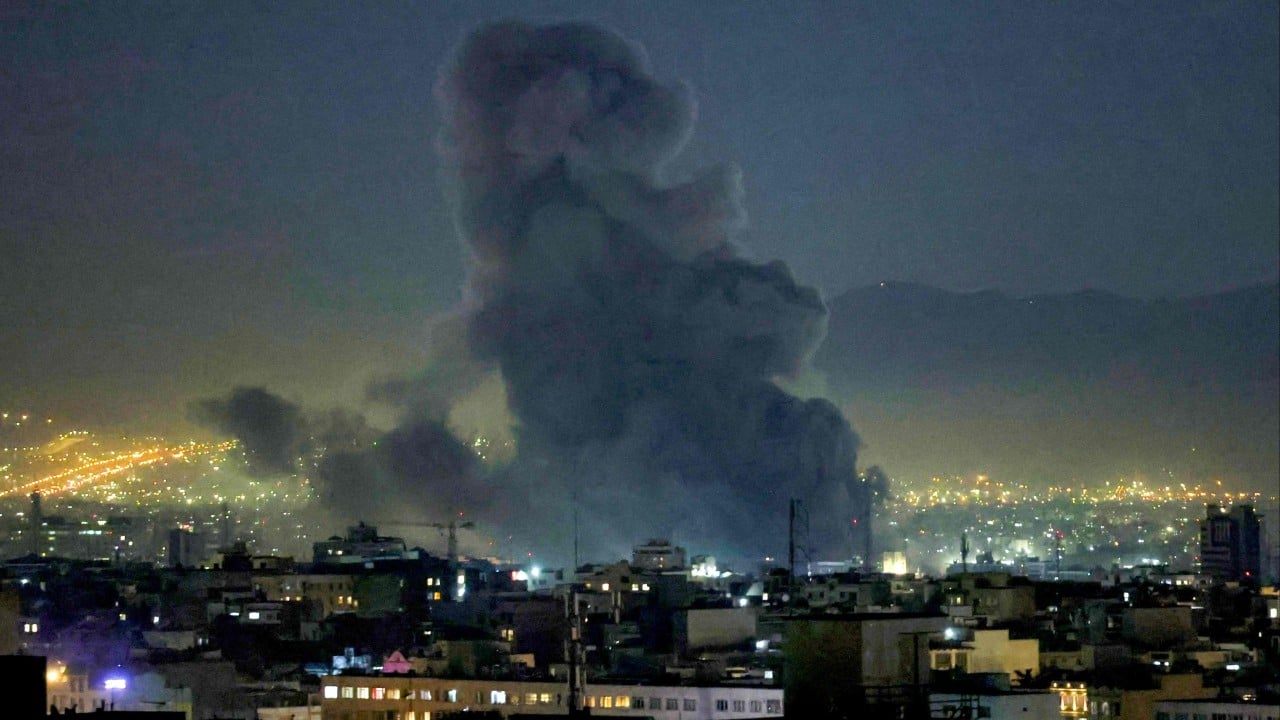
The United States, in a high-stakes airstrike, has eliminated Supreme Leader Ali Khamenei, marking a critical escalation in its campaign against Iran. This assault, executed in coordination with Israeli forces, resulted in significant collateral damage and high-profile casualties, including members of Khamenei's inner circle. Reports indicate celebrations among local citizens, highlighting the political turmoil this assassination has ignited within Iran’s already fragile leadership structure.
This high-profile strike follows years of mounting tension between the US and Iran, stemming from disputes over nuclear policy and regional influence. The killing of Khamenei—who has led Iran for nearly four decades—represents not only a calculated military operation but also a direct challenge to Iran’s authority. Prior to this incident, diplomatic efforts to curtail Iran's nuclear ambitions had repeatedly faltered, leading to a recent intensification of military posturing and sanctions against Tehran.
The implications of Khamenei's assassination extend beyond Iran, as North Korea closely watches these developments. Kim Jong-un is likely interpreting the events as validation of his nuclear strategy—demonstrating that negotiating with the US can lead to dire consequences. This incident may motivate Pyongyang to further enhance its missile capabilities and nuclear arsenal as a deterrent against perceived Western aggression.
Key players in this scenario include the US, Iran, and North Korea, each with distinct motivations. The US aims to undermine Iranian influence in the Middle East and project power against adversaries perceived to destabilize the region. Meanwhile, Iran’s internal factions may vie for control during the ensuing power struggle, while North Korea seeks to solidify its nuclear position as an essential tool of regime survival and international bargaining leverage.
The operational specifics of the strike involved precision-guided munitions targeting strategic command nodes linked to Khamenei. Estimates suggest that the assault involved strike assets from both US and Israeli forces, underlining the deepening military collaboration between these nations. Such operations could set a precedent for future engagements involving target assassinations by external forces in sovereign nations, raising the stakes considerably for military engagements.
The assassination may catalyze further destabilization in Iran, leading to potential retaliatory measures against US and allied forces in the region. Increased military confrontations are likely as regional proxies may enhance their activities, seeking vengeance for the loss of Khamenei. This escalation poses a significant risk of wider conflict spilling over into neighboring countries.
Looking at historical parallels, the killing of high-ranking leaders has had drastic consequences in the past, including the assassination of Osama bin Laden in 2011 and the resulting intensification of militant activities. Such operations often lead to power vacuums and unpredictable fallout, as rival factions assert control in the aftermath of leadership crises.
In the coming weeks, analysts should monitor Iranian responses, particularly any military retaliation and shifts within its political landscape. Additionally, intelligence indicators related to North Korea's missile tests and nuclear developments will be crucial to assess how these global tensions might influence their strategy moving forward. Heightened regional instability suggests an imminent recalibration of defense policies among nations in and around the Middle East.