India, Canada Strike Uranium Supply Deal Amid Geopolitical Tensions
The newly signed uranium deal between India and Canada escalates competition for nuclear resources amid rising geopolitical tensions. This agreement underscores a reevaluation of energy and mineral supply chains, crucial for both nations' strategic military and energy needs.
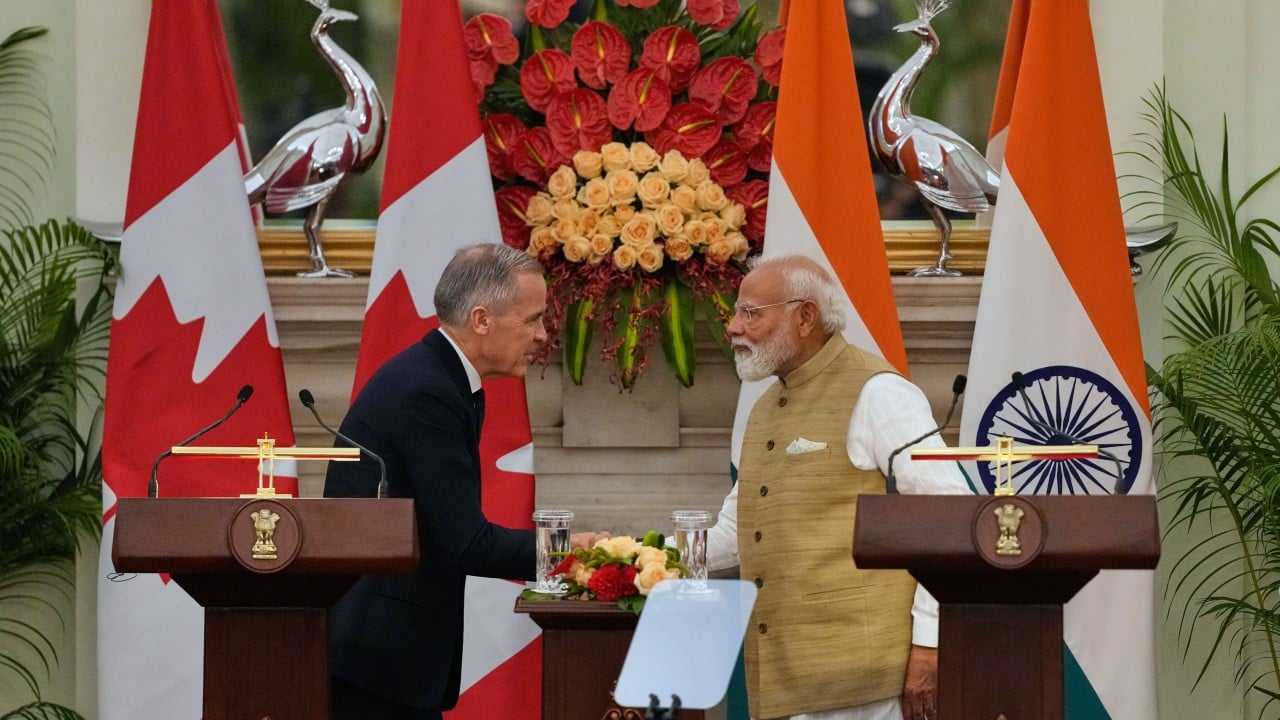
India and Canada have solidified their partnership with a landmark uranium supply deal, essential for India's expanding nuclear energy sector. This agreement comes as both nations are increasingly aware of the need to secure stable energy sources amidst fluctuating global markets. The signing took place in New Delhi, where Indian Prime Minister Narendra Modi and Canadian Prime Minister Mark Carney heralded this joint venture as a new beginning in bilateral relations.
The backdrop of this agreement is a complex array of geopolitical dynamics. India has been striving to enhance its nuclear energy capacity to meet growing energy demands and reduce dependence on fossil fuels, while Canada, holding vast uranium reserves, seeks to expand its influence as a key player in the global nuclear market. Tensions particularly heightened as China continues to exert pressure in the Indo-Pacific region, compelling nations like India to forge stronger ties to secure energy independence and bolster defense capabilities.
This deal is globally significant as it directly impacts the balance of nuclear power and resource control among major players. Increased collaboration on uranium supplies enhances India’s energy portfolio while positioning Canada as a critical supplier in the world's nuclear energy race. It also signals to other nations the importance of critical mineral partnerships in the face of rising protectionist policies and supply chain vulnerabilities exposed during recent crises.
Key players in these negotiations highlight not only the leaders but the broader strategic objectives of each nation. For India, securing a reliable uranium supply is integral to its goals of energy security and military readiness. For Canada, reinforcing its standing as a key player in the nuclear sector is crucial for economic and geopolitical advantages, particularly as it navigates its own relationships with global powers like the United States and China.
From a technical standpoint, the uranium supply deal significantly emphasizes the need for safe and efficient sources, as India looks to increase its nuclear power capacity from 7% to 25% of its energy mix by 2050. The specifics of the agreement may involve millions of dollars in contract value, with parameters set for long-term nuclear fuel supply and collaboration in research and technology as well.
Potential consequences of this agreement could escalate competition for nuclear resources in an already tense region. As India enhances its capabilities, it could spark reactions from neighboring Pakistan and China, leading to a more pronounced arms race in the Indo-Pacific. The geopolitical landscape may shift significantly, with nuclear energy becoming a focal point in international relations.
Historically, similar agreements have resulted in intensified scrutiny and responses from rival nations. The U.S.-India nuclear deal in 2008 was a pivotal moment that redefined nuclear diplomacy and drew criticism from countries opposed to India’s non-signatory status with the Nuclear Non-Proliferation Treaty (NPT). This situation mirrors those past dynamics, potentially leading to diplomatic friction amongst nuclear states.
Moving forward, observers should monitor the immediate implementation of this uranium supply agreement and the corporate partnerships that will form around it. Intelligence indicators will include changes in regional military postures, shifts in procurement strategies by global powers, and responses from non-signatory states to India’s growing nuclear capabilities as a result of enhanced cooperation with Canada.