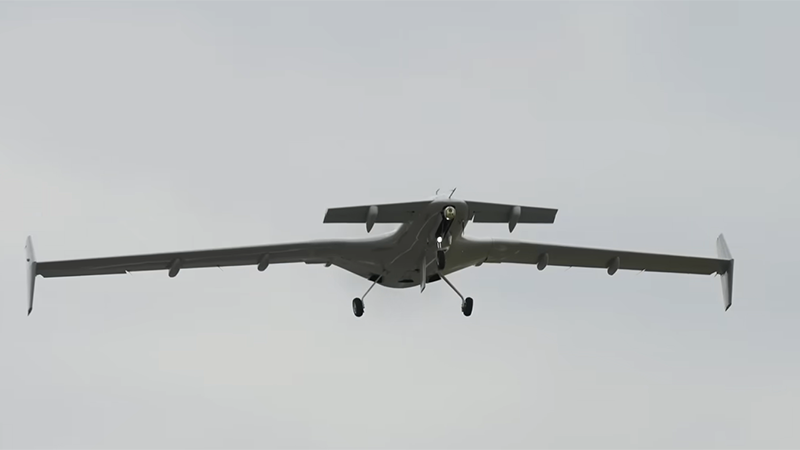
Baykar Unleashes K2 Kamikaze Drone with Swarming Tech
Baykar introduces the K2 drone, a kamikaze model capable of swarm operations, marking a significant advancement in drone warfare technology. As major powers focus on drone warfare, the K2 represents a leap in cost-effective, autonomous strike capability.
In a bold move reshaping drone warfare, Baykar has unveiled its latest combat UAV, the K2 Kamikaze drone, which boasts advanced swarming capabilities. Known for its impactful drones during the Ukraine conflict, Baykar's foray into autonomous drone swarms is likely to draw attention from major military powers invested in developing similar aerial strike technologies.
Baykar's announcement of the K2 marks a new chapter in the evolution of drone warfare tactics. The company's unmanned systems gained prominence during the early stages of the Ukraine conflict, demonstrating the tactical advantages of cost-effective drone deployments. With the debut of the K2, Baykar sets its sights on reinforcing its reputation as a leading innovator in the drone sector.
The K2’s features highlight a significant escalation in drone technology. The integration of swarming AI allows multiple units to coordinate autonomous attacks, increasing the payload impact on targets and reducing the likelihood of interception. These advancements place Baykar at the forefront of a technology race that is rewriting the rules of modern warfare.
Key players in the drone market, such as China and the United States, are rapidly advancing their drone swarming capabilities. For these powers, the K2 serves as a testament to the urgency of furthering aerial unmanned systems and maintaining technological superiority in conflicts.
Technical details of the K2 include its autonomous navigation systems, precision targeting, and ability to operate in coordinated swarm formations. This model is a distinct step forward in Baykar's portfolio, intended to provide a cost-effective solution that does not compromise on power or efficiency.
The introduction of the K2 could accelerate global arms races focused on drone technology, heightening geopolitical tensions as nations vie for dominance in aerial warfare. This development underscores the necessity for new defense strategies to counter swarm-based tactics.
The historical precedent for such technology leaps dates back to the initial successful deployment of Baykar's drones in Ukraine, where their cost-efficiency significantly impacted the conflict's dynamics. The K2 represents both a continuation and an evolution of that initial success.
Looking ahead, observers should monitor the responses from leading drone-developing nations, as well as any strategic shifts in military alliances and procurement strategies. The debut of the K2 may also influence future international defense collaborations and regulatory discussions regarding autonomous weaponry.