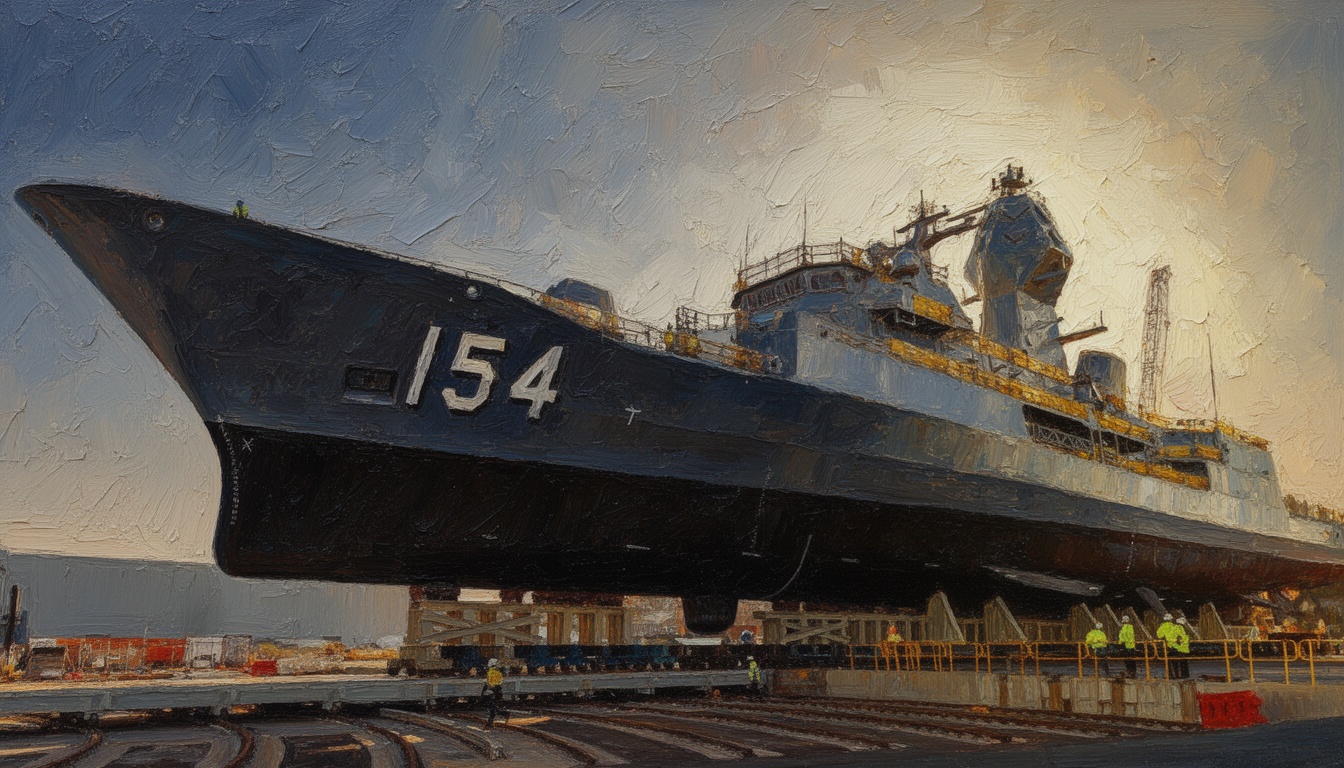
BAE Systems, BMT Secure Designer Support Contract for RAN Anzac Frigates
BAE Systems Australia–Maritime and BMT have secured the Anzac-class Designer Support Contract to support the Royal Australian Navy’s Anzac-class frigates. The award points to continued, long-term sustainment investment in Australia’s core surface combatant fleet and its availability for regional contingencies.
BAE Systems Australia–Maritime and BMT have won the Anzac-class Designer Support Contract for the Royal Australian Navy’s Anzac-class frigates. The deal is explicitly framed as a “designer support” arrangement tied to the Anzac-class support model. That makes it a direct pillar of the RAN’s day-to-day and long-term maintenance posture.
The Anzac-class frigates sit at the center of Australia’s surface combat capability. Like other aging warships, they require continuous technical support to keep systems reliable, maintain configuration control, and reduce downtime. In practice, sustainment contracts also reflect how navies manage complex platform knowledge across decades.
Strategically, sustaining the Anzac-class fleet matters for Australia’s maritime deterrence and presence missions in the Indo-Pacific. When availability stays high, the Royal Australian Navy can support coalition operations, regional exercises, and crisis response without relying on short-notice outsourcing alone. Designer support contracts also signal that key knowledge remains within a controlled industrial chain.
Operationally, this is not a shipbuilding headline; it is support work under a contract aligned with the Anzac-class designer support concept. BAE Systems Australia–Maritime and BMT are the named winners, indicating a shared responsibility model for technical sustainment. The scope is described at the contract-title level, with the stated purpose centered on supporting the RAN’s Anzac-class frigates.
Looking ahead, the award likely strengthens maintenance continuity and risk management for the frigates’ future service life. It can also serve as a bridge for troubleshooting, integration coordination, and support for evolving capability needs—without changing the fleet’s platform baseline overnight. Analysts should watch for any follow-on orders tied to upgrades, component replacements, or expanded technical services as the RAN’s surface fleet requirements evolve.