F-35 Acquisition Paused: Canada’s Fighter Jet Crisis Deepens
Canada’s F-35 acquisition faces a critical delay, risking national defense capabilities. With a pending order of 88 jets, the delay raises concerns over military readiness amid growing geopolitical tensions.
Canada’s decision to pause the acquisition of 88 F-35 Lightning II stealth fighters has intensified concerns regarding its military modernisation efforts. This move follows a competitive review where the F/A-18 Hornet previously triumphed over elite fighters like the F-15, F-16, and Mirage F-1 during the 1970s New Fighter Aircraft (NFA) project. Amid escalating global tensions, including threats from Russia and China, the delay in procuring advanced fighter jets could leave Canada vulnerable at a critical moment.
The historical context behind Canada's ongoing fighter jet saga reveals a sluggish acquisition process marred by political indecision and funding misallocation. Canada's initial decision in 2010 to procure F-35s faced intense scrutiny over costs and capabilities, forcing the government to reassess its military aviation needs. As global threats shift, including Russia's aggressive posture in Europe and China's assertiveness in the Indo-Pacific, Canada's failure to equip its Air Force with adequate modern capabilities could have dire repercussions for its national security.
The significance of this acquisition delay cannot be understated; Canada’s air defense capabilities could be substantially undermined, particularly in light of increasing tensions on the geopolitical landscape. Advanced fighter jets like the F-35 are not just procurement decisions but essential components of national defense strategies, particularly for NATO allies. With Canada’s North American defense commitments growing in urgency, any stagnation undermines collective security coordination.
Key actors in this scenario include the Canadian government, defense contractors, and military leaders. The Canadian government’s cautious approach is driven by budgetary constraints and public skepticism towards military expenditures. Meanwhile, Lockheed Martin, the manufacturer of the F-35, has interest in the successful sale of these jets as part of its global dominance in stealth technology, creating a paradox where military need clashes with fiscal responsibility and public perception.
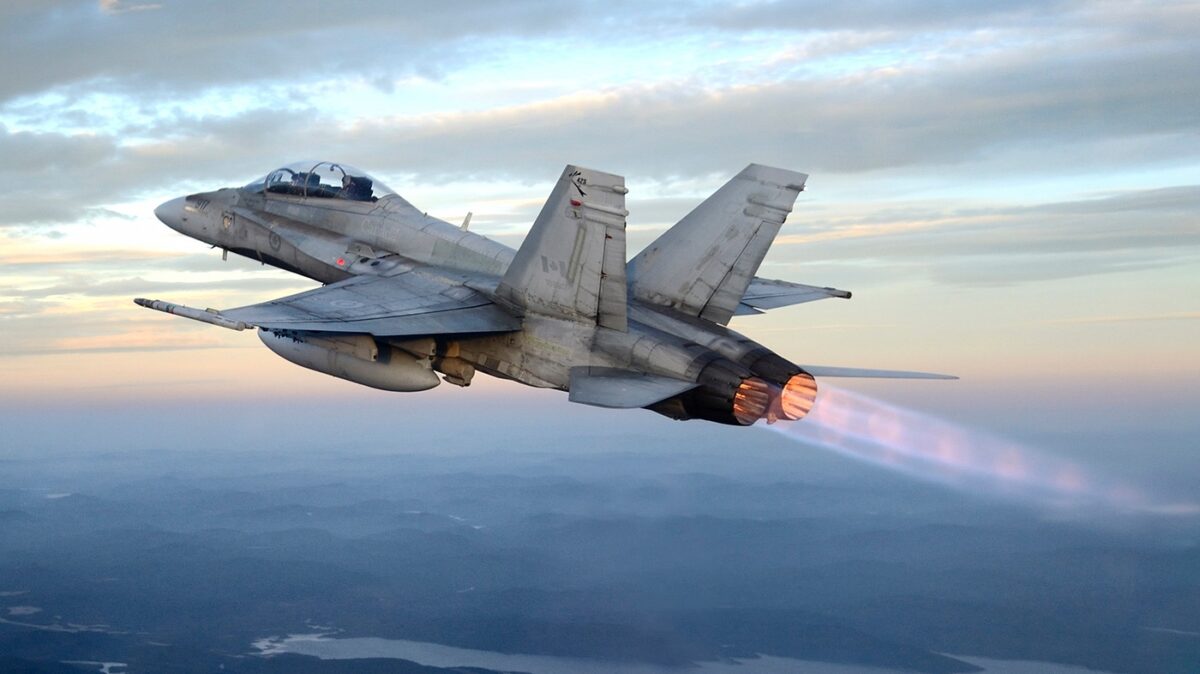
In operational terms, the F-35 boasts cutting-edge technology, including stealth capabilities, advanced avionics, and an integrated sensor package, designed to perform a variety of missions. With a projected cost of around CAD 19 billion for 88 jets, the pressure mounts on Canada’s defense procurement process to justify such an investment amidst mounting operational delays. Each day that passes without resolving the acquisition process puts additional strain on current air defense capabilities that rely on aging F/A-18 Hornets.
The likely consequences of the procurement pause could lead to further escalation of military deficiencies, putting Canada at risk in any potential direct confrontations. Moreover, as global defense spending rises, Canada may find itself unable to compete effectively in terms of advanced weapon capabilities. This scenario runs the risk of inviting aggression from adversaries who perceive a weakened military posture.
Historically, delayed acquisitions often lead to significant military shortfalls, as evidenced by past procurement challenges faced by NATO allies. For example, Germany's difficulties in replacing its aging Eurofighter fleet have left it increasingly vulnerable and reliant on the capabilities of other NATO members. Canada must take heed of this historical comparison as it navigates its current crisis in fighter jet capability.
Looking forward, key intelligence indicators to watch include movements in Canada’s defense budget allocations, timelines for the restarted acquisition process, and any shifts in geopolitical threats requiring immediate military action. Additionally, ongoing evaluations of older aircraft capabilities versus the prospective roles of new entrants like the F-35 will play a crucial role in shaping Canada’s airpower strategy moving forward.