Iran Vows Retaliation After U.S. Bombs Strategic Kharg Island Base
The U.S. bombing of Iran's Kharg Island highlights escalating tensions and Iran's threats against Saudi oil infrastructure. Ras Tanura faces imminent risk as hostilities intensify in the region.
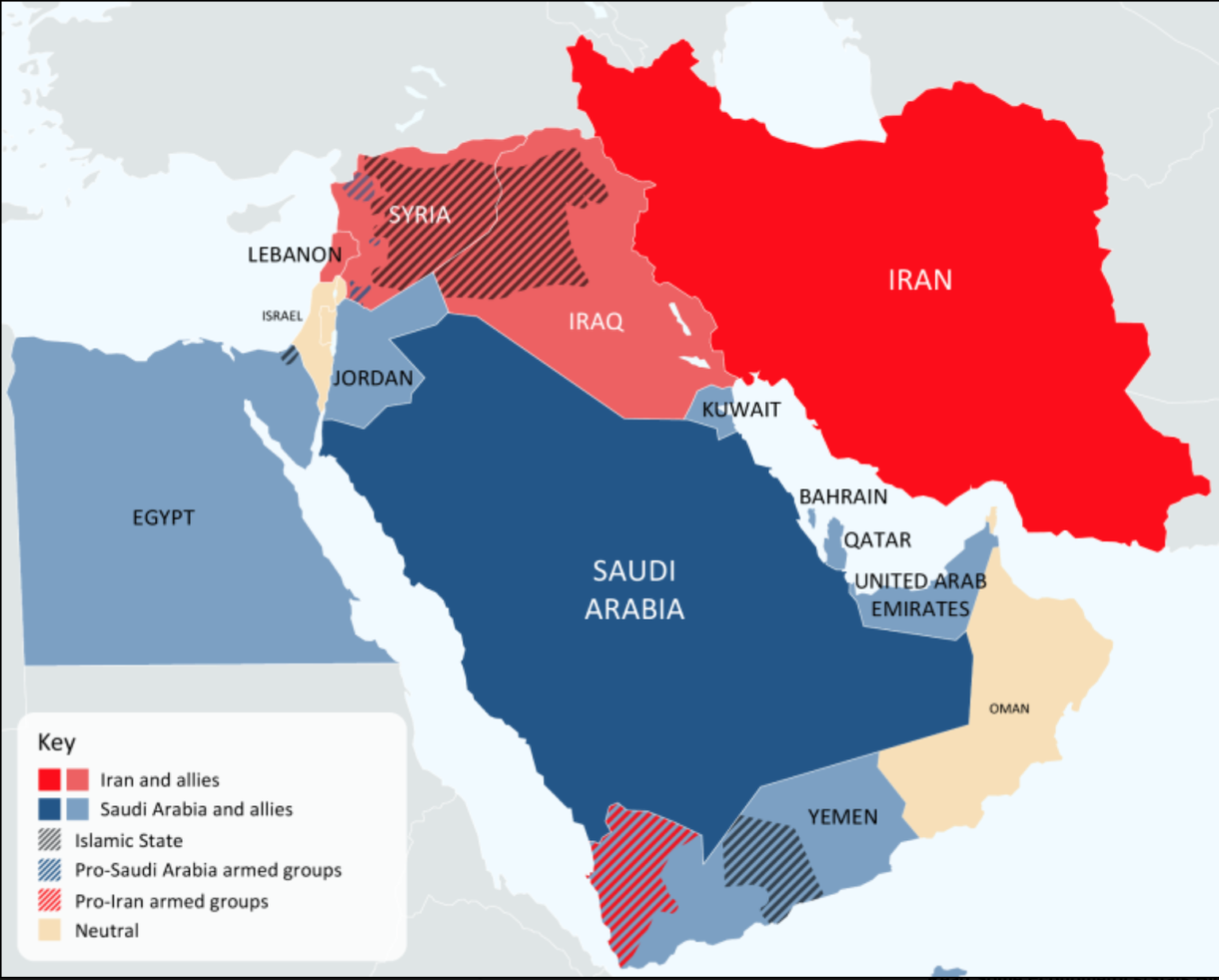
The U.S. military launched a significant bombing operation on Kharg Island, targeting what it labeled Iran's key military facilities while deliberately sparing its oil infrastructure. This controversial raid has intensified hostilities in a region already fraught with conflict, igniting fears of a retaliatory response from Tehran against critical Saudi assets, particularly Ras Tanura, one of the world's busiest oil ports. With the U.S. asserting that it eradicated all military targets on the island, Iran is left with a stark choice: retaliate or risk losing credibility on the international stage.
This confrontation is the culmination of escalating tensions that have spanned decades, characterized by an aggressive Iranian regional policy under the Islamic Revolutionary Guard Corps (IRGC) and U.S. operations aimed at containing Iran's influence. Iran's ongoing missile development and support for proxy groups across the Middle East have consistently provoked U.S. and allied responses. The bombing of Kharg Island signals a significant U.S. commitment to counter Iranian actions, yet it also raises alarms about potential Iranian reprisals.
The significance of this incident cannot be understated; it represents a dangerous shift in the security dynamics of the Gulf region. Ras Tanura, which handles approximately 6.5 million barrels of oil per day, now faces heightened risks of Iranian attacks aimed at punishing Saudi Arabia for its alignment with U.S. interests. Any successful assault on this critical infrastructure could destabilize global oil markets, leading to substantial economic repercussions and further militarization in the region.
Key actors in this crisis include the U.S., which seeks to reaffirm its presence and deterrence in the Gulf, and Iran, which is driven by a need to maintain its influence and retaliate against perceived aggressions. The Iranian regime's internal narrative demands a robust defense of national sovereignty, making a reactive attack on Saudi interests not just likely, but almost necessary to uphold its standing domestically and regionally.
Operationally, the U.S. bombing campaign reportedly utilized precision-guided munitions aimed at diminishing Iran's missile capabilities on Kharg Island. However, the precise damage assessment regarding military facilities remains debated, as the Iranians claim minor to no impacts on their operational readiness. Given Kharg Island's strategic position near vital shipping lanes, any weakening of Iranian military assets might prompt them to recalibrate their strategies, possibly resulting in clandestine operations rather than direct engagements.
The immediate consequences of this bombing are likely to include increased military readiness among Gulf States, particularly Saudi Arabia, which may accelerate their defensive posturing. Analysts predict that Iranian proxy forces in Iraq, Syria, and Yemen could initiate aggressive actions against U.S. or Saudi targets, potentially triggering a broader conflict spiraling out of control.
Historically, the region has witnessed a pattern where bombings lead to retaliation, exacerbating conflicts rather than resolving them. Iran's swift responses in previous confrontations, such as the 2019 Abqaiq attack, serve as crucial precedents indicating the potential volatility of the current situation. The recent U.S. operation risks repeating past mistakes that have led to sustained military engagements in the area without achieving lasting peace.
Looking forward, key indicators to monitor include Iranian military movements and any escalation in rhetoric from Tehran. Intelligence on potential Iranian drone or missile deployments will be crucial, as well as the reaction of other regional players. As the situation unfolds, expect a tightening of naval security measures in and around the Strait of Hormuz, along with intensified surveillance of Iranian assets throughout the Gulf region.