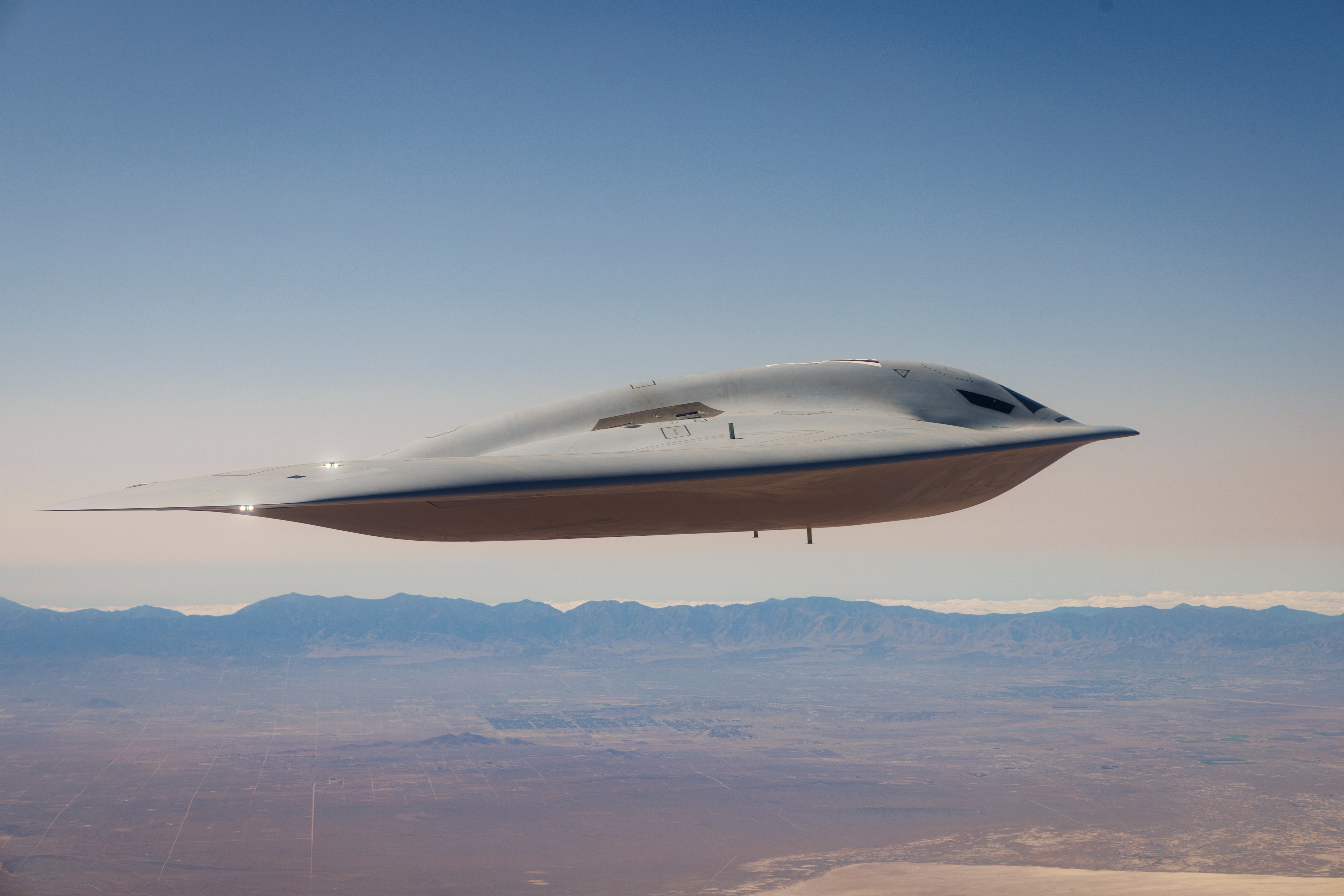
B-21 Raider Completes Critical Flight Test With KC-135 Tanker
The B-21 Raider's successful close-proximity flight with a KC-135 tanker marks a pivotal advance in U.S. long-range strike capabilities, potentially altering global defense balances. This test underlines the ongoing competition in advanced military aviation among major powers.
The U.S. Air Force confirmed that the B-21 Raider has successfully completed a critical close-proximity flight with a KC-135 aerial refueling tanker, a significant milestone in its development. This operation is a key precursor to validating the Raider's capabilities for long-range, penetrating strike missions. The achievement brings the Northrop Grumman B-21 closer to operational status, raising numerous global security implications.
Historically, the development of the B-21 Raider has been marked by urgency and competition centered around modern aerial warfare. The B-21 is designed to replace the aging B-1 and B-2 bomber fleets, emphasizing stealth, range, and precision. This latest flight test follows years of intensive research and development, with estimates indicating the program may exceed $80 billion, highlighting the high-stakes nature of next-generation strategic bombing capabilities.
This development is significant as it reinforces the U.S. military's effort to maintain technological superiority in a rapidly evolving defense environment. The B-21’s advanced features enhance the potential for precision strikes deep within enemy territories, creating strategic dilemmas for adversaries, particularly near contested regions in Asia and Eastern Europe. The penetrative strike capability of the Raider poses a direct challenge to peer competitors like China and Russia.
Key actors in this context include the U.S. Department of Defense and its major defense contractors, such as Northrop Grumman, which is keen to solidify its position in the defense market with advanced platforms like the B-21. The U.S. also aims to demonstrate continued commitment to its power projection capabilities in the face of rising challengers, motivating defense budgets globally to evolve in response.
The B-21 Raider introduces cutting-edge specifications including a range of over 6,000 nautical miles and the ability to deliver both conventional and nuclear payloads. This, combined with its stealth features, allows it to evade advanced missile defense systems. The successful integration with the KC-135 illustrates the seamless operation between air-to-air refueling and advanced strike capabilities, essential for extending effective range and operational flexibility.
The potential consequences of this successful flight test include heightened tensions as the U.S. showcases its capability to penetrate adversary defenses. As other nations respond by accelerating their own military modernization efforts, further escalations can be anticipated. The B-21’s operational deployment could lead to increased military readiness along both NATO's eastern flank and the Asia-Pacific region, where U.S. strategic interests are at stake.
Historically, major advancements in bomber capabilities have led to arms races, such as during the Cold War with the B-52 and the development of the Soviet Tu-160. The B-21 Raider now stands as a modern embodiment of that dynamic, as nations observe and react to U.S. advancements. The procurement strategies and modernization efforts in peer nations will hinge on U.S. capabilities like the B-21.
In moving forward, defense analysts should monitor future test flights and operational deployments of the B-21. Intelligence indicators such as changes in defense budgets, procurement announcements from competitor nations, and alterations in military doctrines will signal how the global defense landscape is responding to this technological evolution. The B-21's readiness timeline, scheduled for initial operational capability by the mid-2020s, should be watched closely for signs of agility in U.S. defense posture and readiness plans.