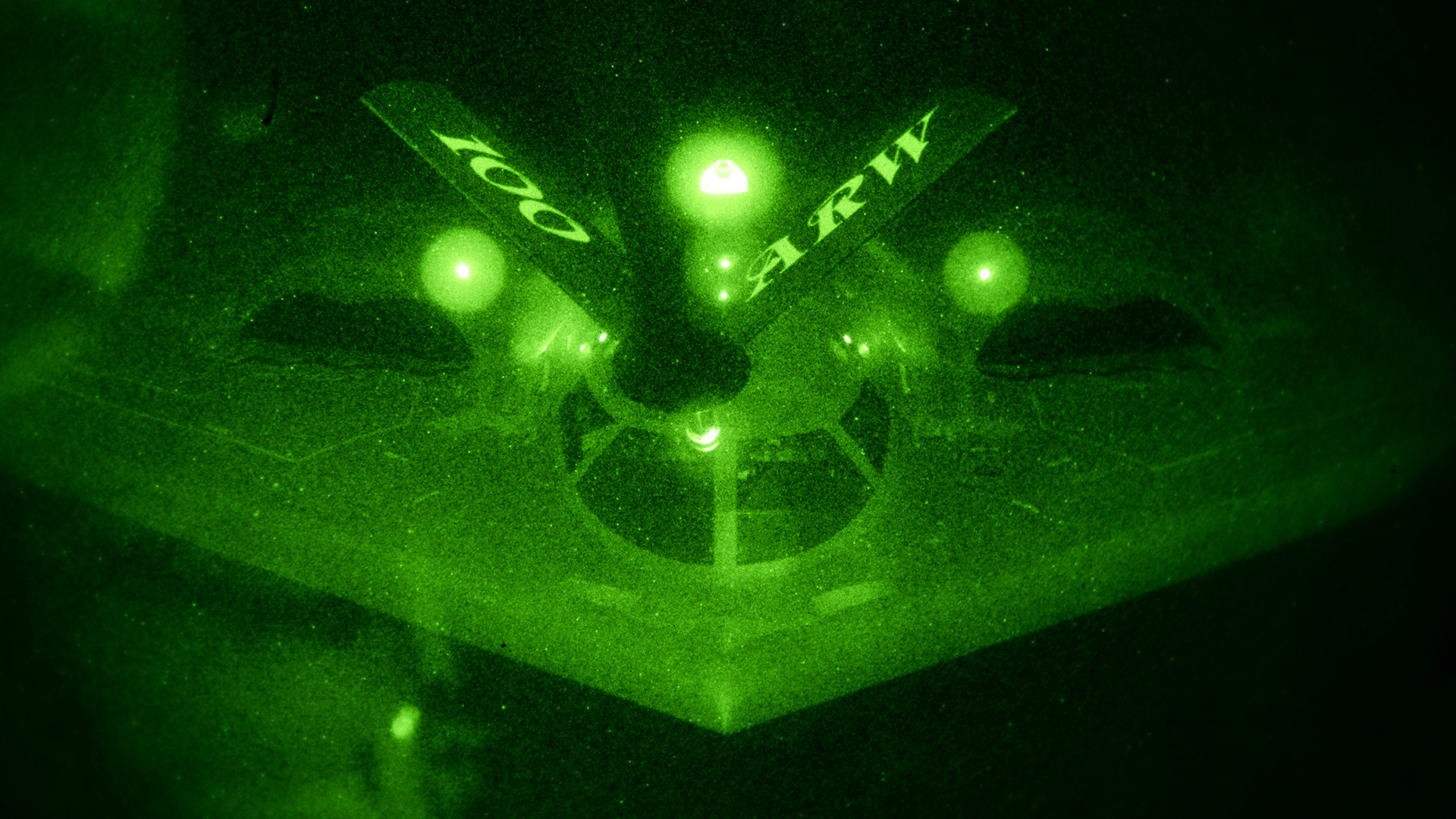
B-2 Spirits Strike Iran's Underground Missile Infrastructure in Escalation
The deployment of B-2 Spirit bombers in Iran marks a significant escalation in the air campaign, raising the stakes for Tehran's missile capabilities. This move threatens not only Iran's military infrastructure but also heightens regional tensions.
The recent deployment of B-2 Spirit bombers to target Iran's underground missile facilities signals a dramatic escalation in military operations against Tehran. These advanced stealth bombers have initiated airstrikes on key subterranean sites where Iran stores and develops ballistic missile technology, aiming to significantly impair their strategic capabilities.
Historically, Iran has invested heavily in its missile program, developing an array of systems capable of reaching regional adversaries. This focus has been underscored by incidents such as the attack on Saudi Arabia's Abqaiq oil facility in 2019, which showcased Iran's ability to employ unmanned aerial vehicles and cruise missiles. The expansion of Iran's ballistic missile capabilities has long been a central concern for the United States and its allies, prompting military responses to curb this threat.
The implications of the B-2 strikes are profound. By targeting underground facilities, the U.S. aims to disrupt Iran's ability to launch missile strikes against its neighbors or U.S. forces stationed in the region. The high-risk operation underscores a shift towards more aggressive tactics as the U.S. seeks to reassert deterrence against Iranian military ambitions. This could potentially provoke retaliation from Tehran, further destabilizing an already volatile region.
Key stakeholders in this conflict include the United States, which seeks to limit Iran's military advance, and Iranian leadership, which views the strikes as an existential threat. Iran's Revolutionary Guard has historically been aggressive in its response to perceived military aggression, often vowing retaliation. The escalating dynamic suggests both parties are preparing for a heightened conflict, as U.S. sanctions continue to bite and Tehran's nuclear ambitions remain a focal point of concern.
Operationally, the B-2 Spirits are equipped with precision-guided munitions capable of penetrating advanced defenses. The aircraft's ability to strike with low observable technology allows the United States to conduct operations with reduced risk of interception. Each B-2 has a payload capacity of 40,000 pounds, making them formidable in targeting fortified installations. The expenditure incurred for deploying such missions, including operational costs and munitions, potentially reaches into the millions, highlighting the U.S.'s commitment to diminishing Iran's missile development infrastructure.
As the situation unfolds, repercussions could escalate significantly. Iran is likely to retaliate, whether through conventional military means or asymmetric warfare tactics, including cyber attacks or proxy actions throughout the region. Such outcomes could lead to a spiraling conflict involving not only direct U.S.-Iranian hostilities but also drawing in regional allies and adversaries alike.
This escalation draws parallels with previous engagements in the Gulf, particularly the Gulf War of 1991, where advanced air power transformed warfare dynamics. Historical lessons indicate that prolonged military engagements can lead to entrenched positions and extensive regional instability, prompting a cycle of retaliatory actions.
Looking forward, intelligence analysts must monitor Iranian military responses closely. Key indicators to watch include mobilization of Iranian forces, changes in missile launch posture, and any declarations from Iranian leadership regarding retaliatory measures. Additionally, tracking U.S. reinforcements or changes in strategic air deployments will be crucial in assessing the trajectory of this conflict and its broader implications for regional security.