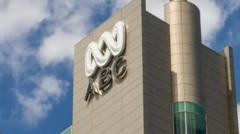
Australia’s National Broadcaster Faces First Strike in Two Decades
Australian journalists strike at public broadcaster over an inflation-beating pay demand highlights growing labor tensions. This is the first industrial action in 20 years, signaling rising pressures on public service funding and government media institutions.
Journalists at Australia’s national broadcaster have launched a 24-hour strike, the first of its kind in two decades. The strike protests a pay rise offer from management that fails to match inflation rates, sparking frustration over stagnant wages.
The Australian Broadcasting Corporation (ABC) has long been a symbol of independent public media, but budget pressures and government funding constraints have limited wage growth. Staff grievances over remuneration have intensified in the context of rising living costs and competitive private sector wages.
Strategically, the strike exposes vulnerabilities in public broadcasters worldwide, illustrating how funding shortfalls and political interference risk undermining media independence. It also signals labor unrest spreading into sectors critical for civic information and democratic transparency.
The strike involved key journalist unions and disrupted programming nationwide for a day. ABC management’s pay offer reportedly was below the national inflation rate, triggering the first industrial action since the 2003 strike. The move has drawn attention across Australian media as a bellwether for future public sector labor disputes.
Looking forward, this strike could escalate into longer or more frequent industrial actions, pressuring government authorities to revisit public broadcaster funding and employee compensation. It further raises questions about maintaining a resilient and independent public media framework in an era of economic challenges.