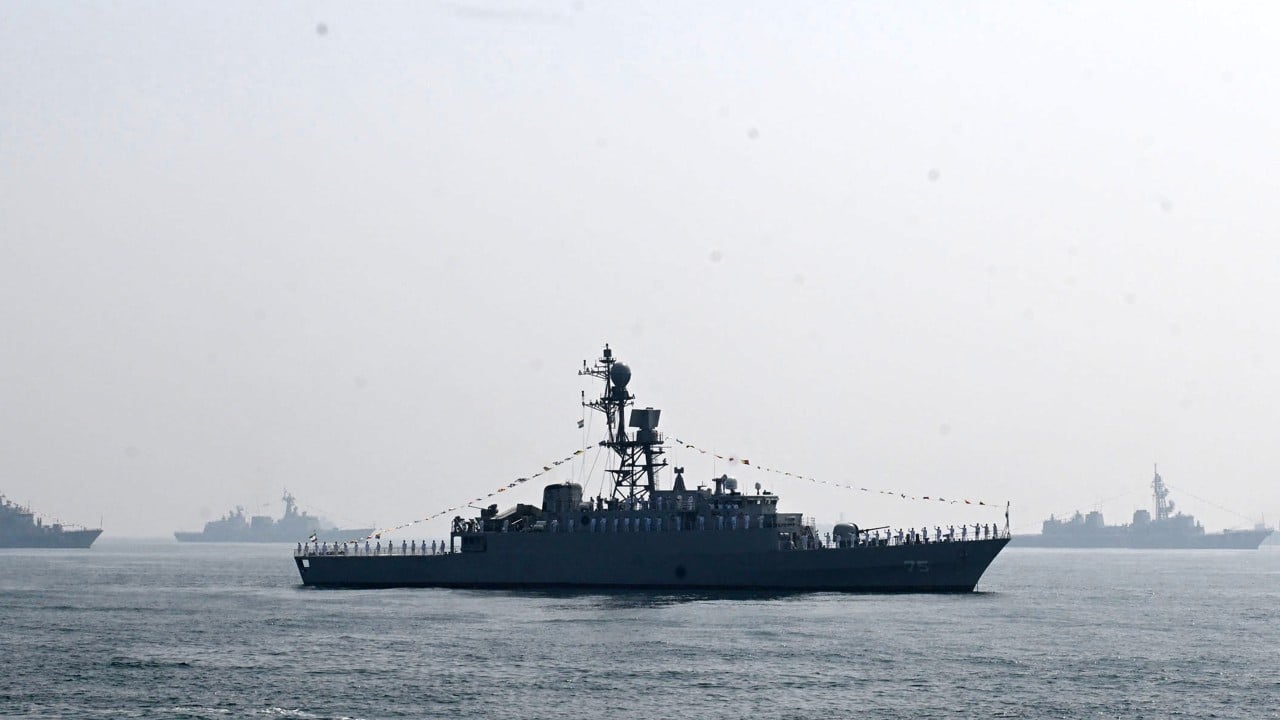
Australian Troops Aboard US Submarine Sink Iranian Ship in Crisis
The presence of Australian personnel on a US submarine that sank an Iranian navy vessel heightens tensions in the region and exposes strategic alignments underpinning the Aukus pact. This incident signifies a troubling escalation in maritime confrontations linked to US-Iran dynamics.
Three Australian military personnel were aboard a US submarine that engaged and sank an Iranian navy ship off the coast of Sri Lanka this week, Prime Minister Anthony Albanese confirmed. This operational disclosure follows rising tensions in the Indian Ocean, where the sinking is interpreted as a significant provocation against Iran amidst ongoing disputes over maritime territorial rights in the region.
The historical context behind this incident involves increasing military collaborations within the Aukus defense pact, which aligns Australia, the US, and the UK against perceived threats from China and destabilizing actors like Iran. This partnership has seen an uptick in naval exercises and joint operations, particularly in contested maritime areas perceived critical to international security and economic interests. The strategic backdrop includes Iran’s increasing assertiveness in expanding its naval capabilities and its military confrontations within the Persian Gulf and beyond.
The significance of this event cannot be understated. It reflects an increasingly volatile power dynamic in the region, demonstrating willingness from Western allies to engage directly with Iranian forces. Such actions risk a dangerous escalation, inviting Iranian response and potentially dragging allied nations deeper into a conflict with Tehran, a key player in Middle Eastern geopolitics. Moreover, it exposes vulnerabilities in the Iranian naval force, particularly its operational readiness and deterrence capabilities.
The Australian government's motivations in this situation suggest a commitment to aligning closely with US military strategies in countering Iranian influence and aggression. While the official position frames Australian personnel as simply participating in training, the reality is this involvement directly positions Australia within the frontlines of US-led operations against adversarial nations, raising questions about Canberra's own regional commitments and alliances.
Technical details regarding the incident reveal that the US submarine involved, a Virginia-class fast-attack submarine, is armed with Tomahawk cruise missiles and sophisticated sonar technology, reflecting the potent military capabilities available in the region. These submarines are crucial assets in deploying maritime power and establishing control over contested waters. The presence of Australian personnel underscores the operational integration promoted by the Aukus pact, signifying a deeper commitment to collective defense strategies.
Likely consequences of this sinking will include intensified retaliatory rhetoric from Iranian officials, with potential threats to maritime traffic or military posture in the Gulf region. Moreover, allied forces may prepare for increased Iranian naval activities aimed at displaying force in response. The incident could also prompt a reevaluation of strategic troop placements and readiness levels among US allies in the Indo-Pacific.
Historical parallels can be drawn to previous maritime confrontations, notably the USS Vincennes incident in 1988, where US-Iran tensions flared following military engagements resulting in casualties and heightened conflict. Such precedents serve as cautionary tales for the current milieu, underscoring the risks involved in direct military entanglements.
Going forward, observers should watch for Iranian responses, potential retaliatory measures at sea, and changes in naval deployment patterns from both US and allied forces. Intelligence assessments should closely monitor naval movements and any indications of heightened military readiness or provocations by Iranian forces that threaten further escalation in the region.