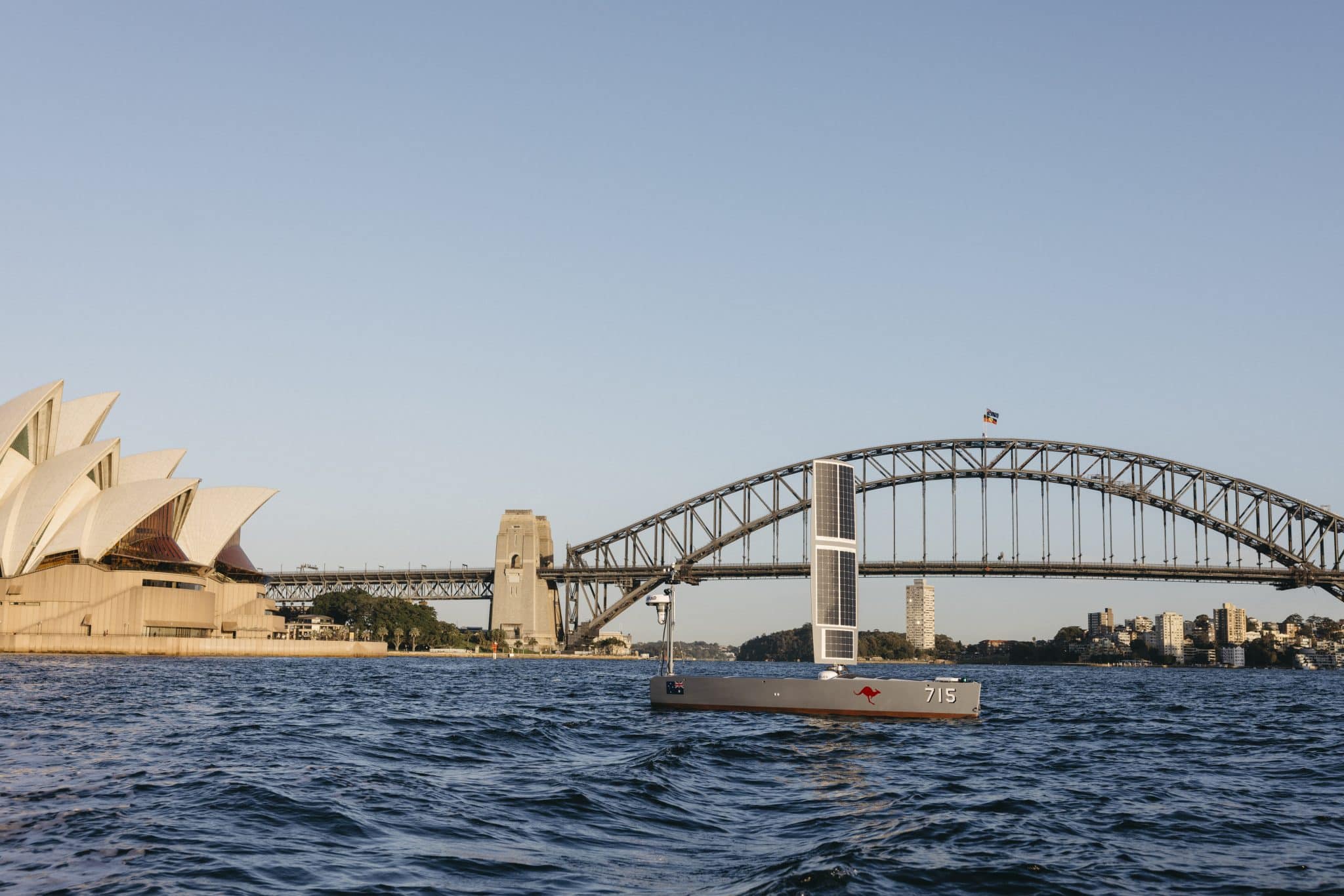
Australian Navy Deploys Bluebottle USV in Fleet Review
Australia’s Royal Navy integrates Ocius Bluebottle USV in its 2026 Fleet Review, marking a significant shift toward autonomous maritime warfare capabilities.
The Royal Australian Navy will showcase the Ocius Bluebottle uncrewed surface vessel (USV) during its Exercise Kakadu Fleet Review on March 21, 2026. This marks the first occasion a USV is formally integrated alongside crewed ships in the Navy’s fleet display, signaling a new era of operational autonomy.
Exercise Kakadu, held biennially, is among the Asia-Pacific region’s largest maritime exercises, emphasizing multilateral naval cooperation and showcasing joint force capability across air, surface, and subsurface domains. Australia’s inclusion of a USV in the fleet review reflects the rising emphasis on autonomous systems amid evolving maritime threats and technological advancements.
Strategically, deploying the Bluebottle USV highlights Australia’s commitment to modernizing its naval force structure by incorporating uncrewed assets that can enhance surveillance, reconnaissance, and surface warfare functions with lower risk to personnel. This adoption also positions Australia alongside other major powers advancing autonomous naval warfare to counterbalance growing regional tensions, particularly in the Indo-Pacific.
The Ocius Bluebottle USV is a versatile autonomous vessel equipped with advanced sensor suites and designed for multipurpose maritime applications, including intelligence gathering and mine countermeasures. It integrates seamlessly with crewed platforms and can operate independently or in coordinated formations. This capability enhances the Navy’s situational awareness and operational flexibility across vast maritime domains.
Looking ahead, the inclusion of Bluebottle in a high-profile fleet review likely presages accelerated integration of autonomous systems in Australia’s naval doctrine, signaling a shift in force composition and raising the stakes for regional naval power dynamics. The move may spur competitor navies to hasten their own unmanned naval development to maintain strategic parity.