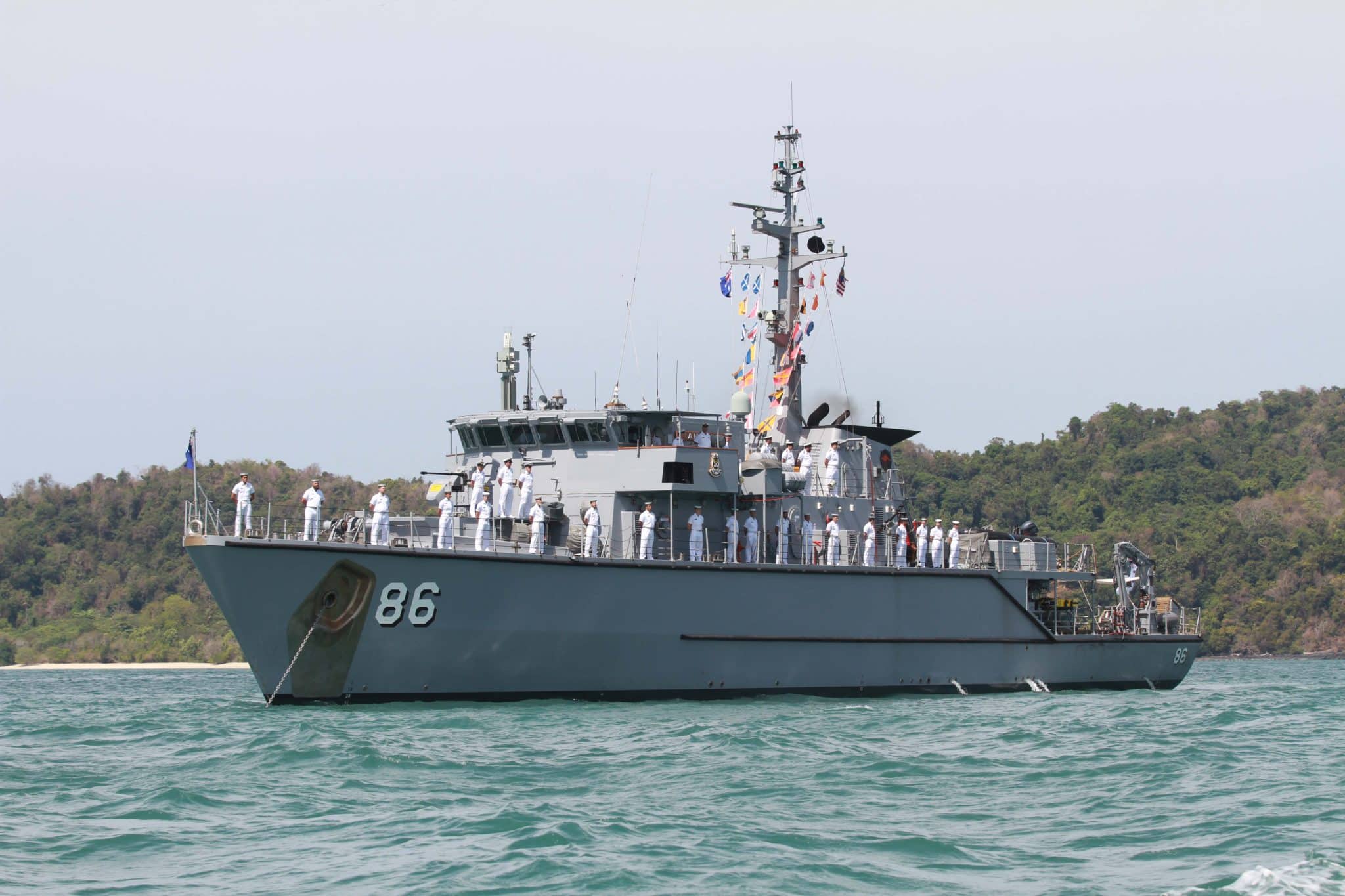
Australian Mine Countermeasures Collapse as Fleet Shrinks to Two Ships
Australia’s naval mine countermeasures force is at critical risk as only two Huon-class minehunters remain in service after years of atrophy and halted modernization. This severe capability erosion exposes key vulnerabilities in Australian and allied maritime security across the Indo-Pacific.
Australia’s mine countermeasures (MCM) capability has reached a crisis point, with only two of the original six Huon-class minehunters still operational after neglect and suspended modernization efforts. The Royal Australian Navy (RAN) halted its Project Sea 1905—a program intended to renew and upgrade the MCM force—two years ago, leaving the nation’s ability to confront the expanding threat of naval mines in the Indo-Pacific sharply diminished.
This decline follows decades of underinvestment and shifting strategic focus, as Australia has prioritized other maritime assets over mine warfare. Since 1999, six Huon-class vessels formed the RAN MCM backbone, but four have since been withdrawn, decommissioned, or mothballed. The suspension of Sea 1905 signaled a lack of political will to maintain this key naval capability even as regional mine threats increase.
An atrophied MCM capacity leaves critical chokepoints—from Darwin to Sydney—dangerously exposed. With the Indo-Pacific witnessing rising deployment of naval mines, including by major powers such as China, the vulnerability of Australian and allied shipping grows acute. Disruption of sea lanes could cripple Indo-Pacific military and economic operations, undermining deterrence and crisis response options for both Australia and partners.
Key stakeholders, including current and former naval officers, blame government indecision and a failure to recognize the strategic threat posed by emerging mine warfare technologies. While official statements reference "future autonomous solutions," actual funding, timelines, and technical specifics remain vague or noncommittal. The remaining Huon-class ships—HMAS Huon and HMAS Diamantina—are themselves aging and limited in both range and mine detection capabilities.
Technically, Huon-class vessels are equipped with sonar, remotely operated vehicles (ROVs), and clearance divers, but lack the advanced unmanned platforms that rivals have deployed. Project Sea 1905 was expected to bring in modular, autonomous MCM vessels and systems, but its indefinite suspension has paused procurement and research, leaving the RAN with outdated assets and minimal spare capacity for surge or combat operations.
Without immediate investment and procurement—either through restart of Project Sea 1905 or rapid acquisition of allied MCM platforms—Australia faces a high risk of operational paralysis during a mine warfare crisis. Any alliance response with the US, Japan, or UK would be hampered by this glaring capability gap.
Historically, neglecting MCM has yielded catastrophic results, such as in the Persian Gulf during the 1991 Gulf War, when minefields inflicted heavy losses on allied vessels. Similar vulnerabilities exposed in the Baltic Sea and the Red Sea have forced other navies to accelerate MCM innovation under duress.
Analysts will closely monitor Australia’s upcoming defense white paper and budget disclosures for signs of urgent MCM reprioritization. Key intelligence indicators will include contracts for interim MCM vessels, renewed Sea 1905 activities, and joint exercises with allies focusing on mine threat scenarios. Australia’s strategic credibility now rests on reversing this decline before adversaries exploit the gap.