Australia Risks Escalation with Gulf Deployment Amid Iranian Aggression
Australia’s military deployment to the Gulf signals potential alignment with the US against Iranian threats, raising the risk of deeper entanglement in a volatile conflict. As tensions soar, Canberra navigates precarious geopolitical waters while signaling support for regional allies.
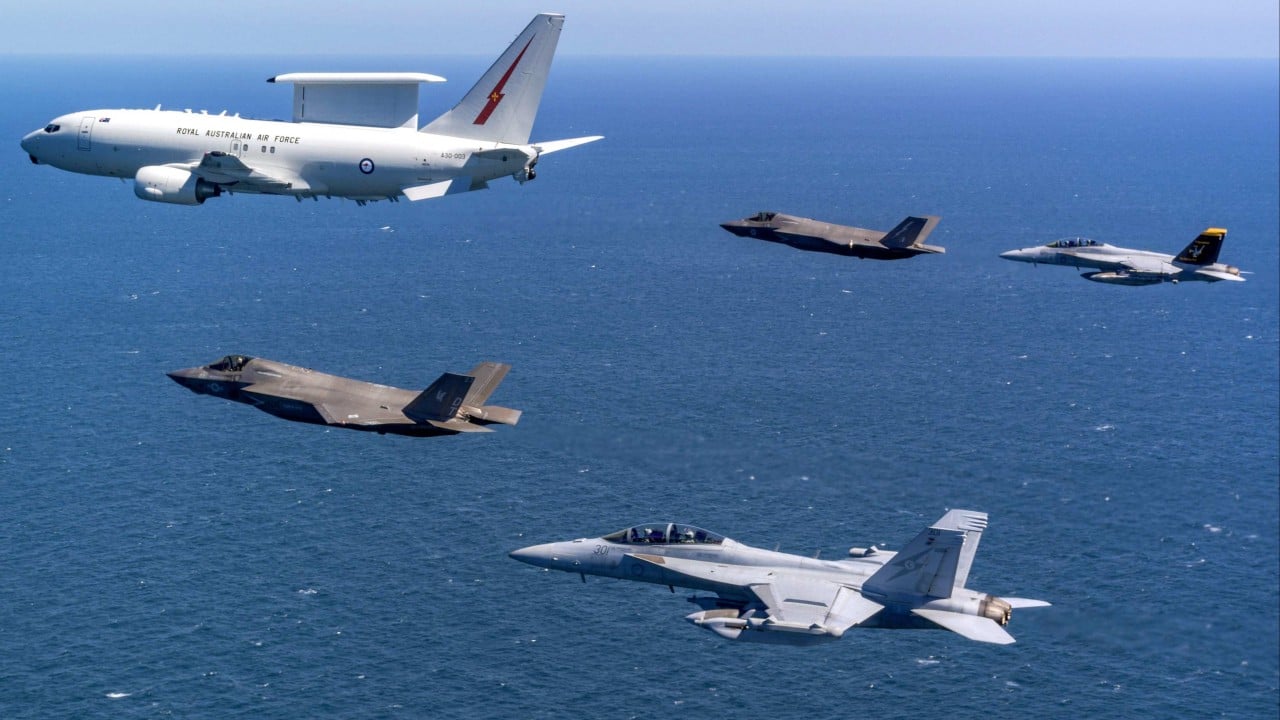
Australia has announced the dispatch of a P-8 Poseidon surveillance aircraft and air-to-air missiles to the Gulf region in response to escalating Iranian provocations. This move comes amid a broader conflict involving Iran, marking a significant shift in Australia’s military posture. The deployment, while not offensive in intent, places Australia at the center of a flashpoint where regional powers are clashing, and it could transform the landscape of regional security dynamics.
This decision is rooted in a complex web of alliances and ongoing tensions that have marked Australia’s foreign policy, particularly regarding Iran. Over the past few months, Iran has ramped up its military aggressions across the region, including attacks on shipping and regional partners like Saudi Arabia. Australia's increasing involvement illustrates a commitment to both U.S. strategic interests and its own national security imperatives, while attempting to bolster its ties with Gulf allies.
The deployment carries significant geopolitical implications; it risks escalation in an already fraught environment characterized by Iranian hostility towards U.S. allies in the region. By sending military assets to the Gulf, Australia is effectively joining a coalition of nations confronting Iranian aggression. This action not only deepens ties to the U.S. but also exposes Australia to Iranian retaliation, potentially making the nation a target for proxy attacks orchestrated by Tehran.
Key players in this scenario include the Australian government, the Iranian regime, and the United States, each with distinct motivations. Canberra aims to project strength and solidarity with allies while avoiding a drastic military commitment that could embroil it further into conflict. Tehran, on the other hand, is keenly aware of Australian actions as symbolic support for U.S. hegemony in the region, viewing it as a direct challenge to its growing influence.
The specifics of Australia’s military contributions include the deployment of one P-8 Poseidon, primarily known for anti-submarine warfare and maritime broad area surveillance, alongside an undisclosed quantity of AIM-120 AMRAAM air-to-air missiles. This move signifies a serious investment in reinforcing surveillance capabilities, at a time when Iran's military activities are likely to escalate as it perceives potential threats.
The consequences of this deployment could unfold rapidly; further Iranian retaliation against coastal or allied assets in the Gulf may trigger a more extensive military response from Australia or its allies. Additionally, as tensions rise, the balance of power in the Gulf could shift significantly, with Australia being drawn into escalating confrontations that could span beyond intelligence sharing to active engagement.
Historically, Australia has walked similar paths in the Asia-Pacific, notably during the Gulf Wars and the Iraq conflict, where initial involvement led to deeper entrenchment and casualties. The pattern of initial limited support mushrooming into full military commitments presents a cautionary tale as Australia now navigates these precarious waters with Iran.
Moving forward, analysts will be closely scrutinizing intelligence indicators from both Australian and Iranian military activities. Key aspects to watch for include any further military asset deployments, Iranian retaliatory actions, and shifts in diplomatic communications among Gulf states and Western allies. Each could signal deeper engagement or a potential de-escalation route for Canberra in the region.