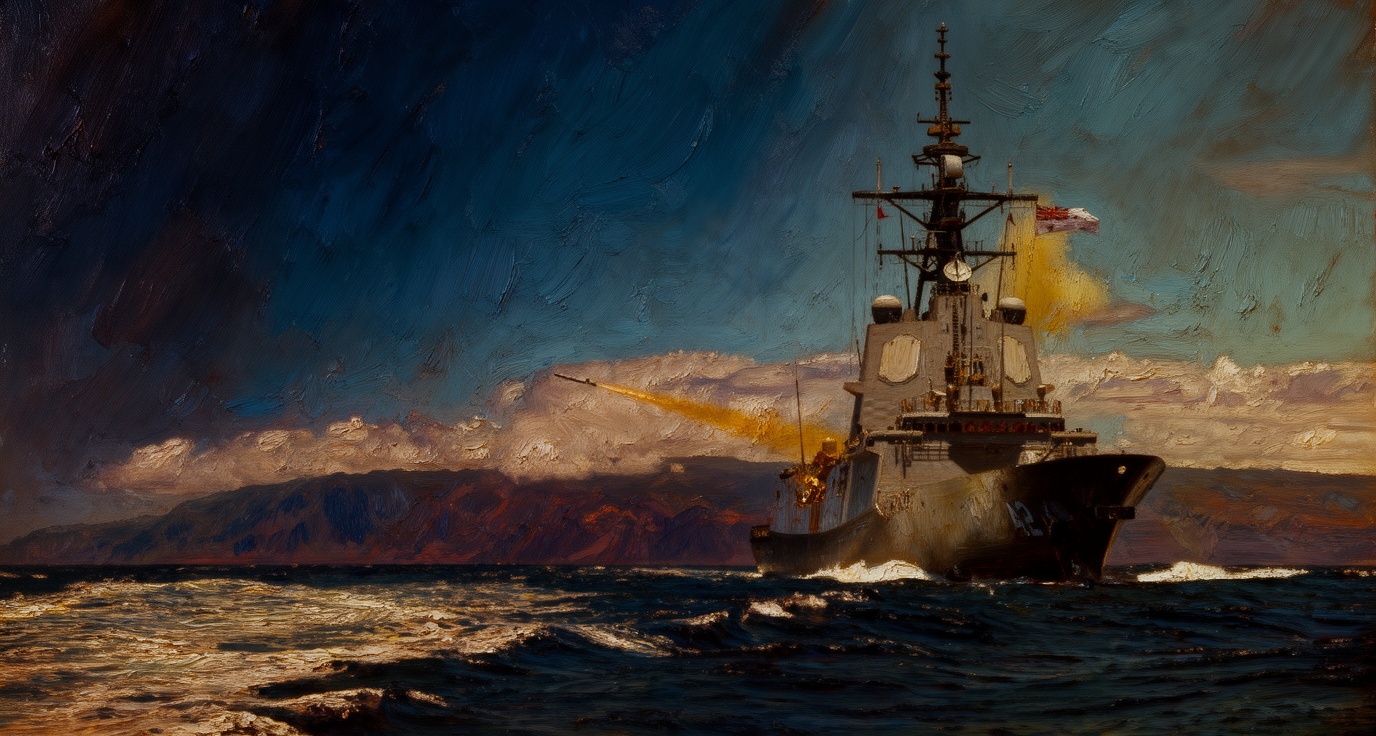
Australia reveals top priorities in defence spending push
Australia releases its 2026 National Defence Strategy and Integrated Investment Programme, signaling a focused shift in force structure, deterrence, and regional security commitments. The plan outlines resourcing for advanced capabilities, allied interoperability, and sustainment of long-range deterrence in the Indo-Pacific. The move heightens regional defense competition and tests budgetary endurance across coalition partners.
Australia has rolled out its 2026 National Defence Strategy (NDS) and Integrated Investment Programme (IIP), marking a decisive shift in its defense posture. The announcements, announced today, set explicit priorities aimed at strengthening deterrence, improving strategic mobility, and expanding joint and coalition operations across the Indo-Pacific. The documents foreground long-range strike, air and maritime superiority, and advanced surveillance as core pillars. The government also signaled a deliberate emphasis on resilience, industrial capacity, and adaptive force design to meet evolving threats.
Background context is essential: Australia has long prioritized a scalable, technology-led defense approach suited to an era of great-power competition and regional flashpoints. The NDS aligns with prior strategic guidance, but the IIP translates intent into a multi-year funding plan, signaling how resources will be allocated to support capability ramp-up. Analysts will watch how quickly capability programs transition from paper to practice, and how politico-budgetary constraints influence delivery timelines. The strategy also reinforces Australia’s commitment to alliance-based deterrence, notably with the United States and regional partners, amid rising tensions in the broader Indo-Pacific.
Strategic significance centers on deterrence calculus and peer competition dynamics. By prioritizing long-range precision strike, advanced air and maritime systems, and robust intelligence, surveillance, and reconnaissance (ISR) architecture, Canberra seeks to complicate adversaries' calculations. The plan also elevates domain awareness and posture hardening in critical theaters, potentially altering regional risk assessments for China, Russia, and allied powers. It reinforces Australia’s role as a regional security enabler, with broader implications for allied readiness and interoperability in large-scale crisis scenarios.
Technical and operational details underline a technology-heavy trajectory: selection of next-generation fighter and air-defence collaboration, next-wave naval assets, and a ramp-up in space and cyber capabilities. The IIP outlines budget envelopes, program start dates, and performance milestones across land, sea, air, and joint domains. The document places emphasis on sustainment and industrial participation, aiming to diversify suppliers and reduce single-point dependencies. In practical terms, this will affect procurement timelines, force modernization rates, and the tempo of allied exercises across the Pacific theatre.
Forward assessment points to a more capable Australian force but with ongoing fiscal discipline. Expect intensified debates over acquisition risk, export controls, and industrial offsets as the plan unfolds. Deterrence will hinge on credible, risks-based calculations that integrate allies’ deterrent postures with Australia’s own enhanced capabilities. The outcome will likely shape regional defense conversations, influence alliance burden-sharing, and prompt readers to monitor implementation milestones and potential policy tweaks in response to emerging threats.