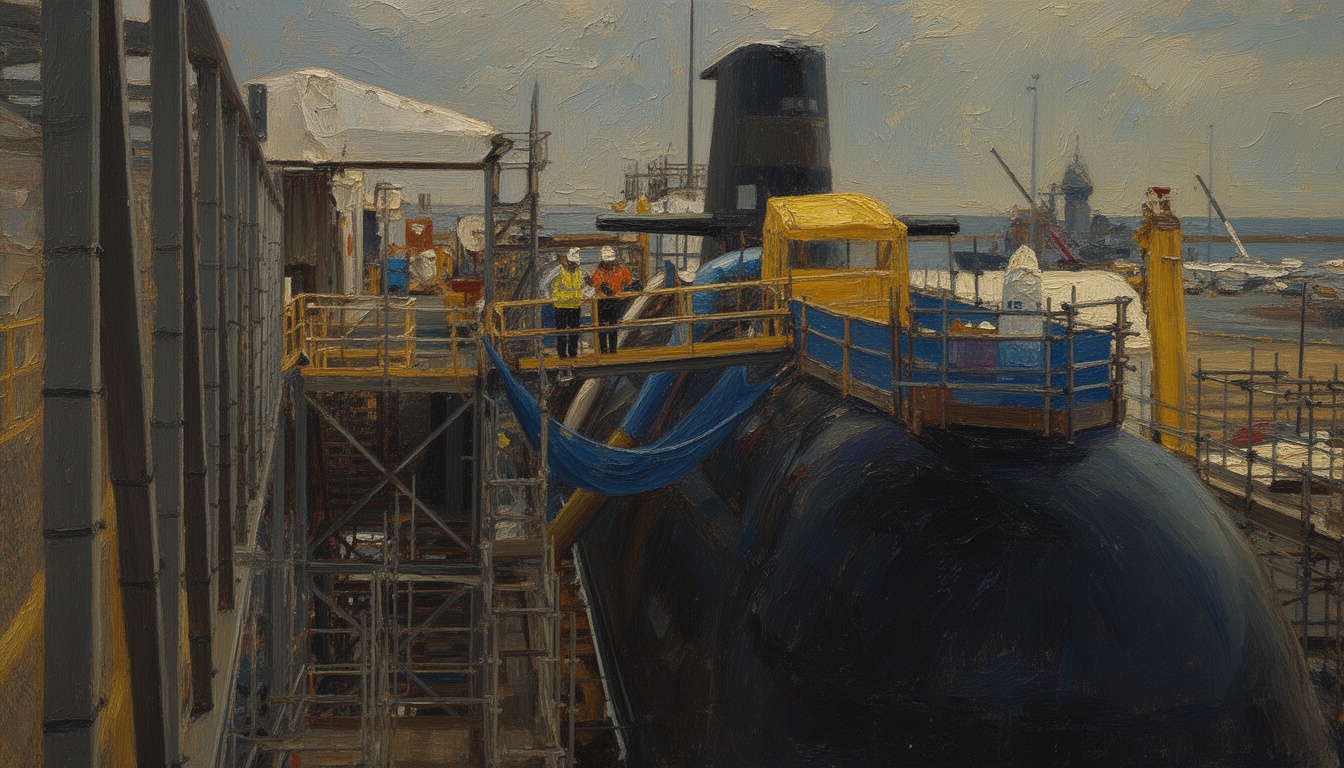
Australia readies itself for high-risk submarine life extension for Collins-class
Australia pursues a high-stakes plan to extend the service life of its aging Collins-class submarines. The program aims to keep six diesel-electric boats mission-ready while awaiting a future shift to nuclear-powered platforms. If successful, the effort would stabilize regional deterrence and buy time for broader fleet modernization.
Australia is advancing a high-risk life-extension program for its Collins-class diesel-electric submarines, aiming to keep the six boats in service for years beyond their design life. The Collins Life-of-Type Extension (LOTE) program, part of Project Sea 1450, seeks to address increasing maintenance demands, material fatigue, and obsolescence in critical systems. Officials say the effort will require extensive overhauls, engineering innovate, and tight budgeting to avoid premature retirement of the fleet. The plan underscores Canberra's preference to sustain a credible underwater deterrent while it debates future propulsion options, including potential nuclear-powered attack submarines.
Context for this move includes Australia’s long-term defense posture in the Indo-Pacific, where undersea capabilities increasingly shape power projection. The Collins-class, entering its third decade of service, has repeatedly faced maintenance delays and platform-wide reliability challenges. This extension mirrors similar programs in allied navies that seek to preserve industrial knowledge and shipyard throughput while advances in defense technology outpace aging hulls. Political visibility around submarine programs remains high as strategic pivot points shift toward extended deterrence and alliance-based assurances.
Strategic significance centers on Australia’s ability to maintain sea-denial and surveillance capabilities without committing to a rapid transition to nuclear propulsion. The LOTE effort is designed to maintain operational readiness for anti-submarine warfare, intelligence gathering, and offline deterrence in contested waters. The program could influence regional dynamics by preserving a continuous submarine presence, complicating adversaries’ calculations about first moves in any crisis. It also signals a willingness to leverage domestic shipyards and industrial partnerships for sustaining advanced naval platforms.
Technical and operational details are still evolving, but key elements likely include overhauls of propulsion systems, battery and electric-drive components, hull integrity testing, and domestic supply-chain reinforcement. The Collins fleet’s aging machinery demands upgrades to sensors, combat systems, and crew accommodations to meet evolving mission profiles. Budgetary planning will have to balance lifecycle costs, spares provisioning, and maintenance windows against other capital programs in the defense portfolio. The program’s success hinges on risk management, scheduling discipline, and reliable access to skilled technicians.
Forward assessment suggests this life-extension will delay a deep modernization cycle while providing a bridging capability. If the LOPE (Life-of-Type Extension) progresses smoothly, it could extend the Collins-class’s combat relevance into the mid-2030s, preserving industrial capabilities and strategic signaling. However, the approach carries substantial risk: cumulative maintenance demands could outpace available funding, and unexpected failures might force early retirement. Canberra will likely calibrate future submarine options against alliance commitments and industrial capacity, shaping the tempo of regional security dynamics for years to come.