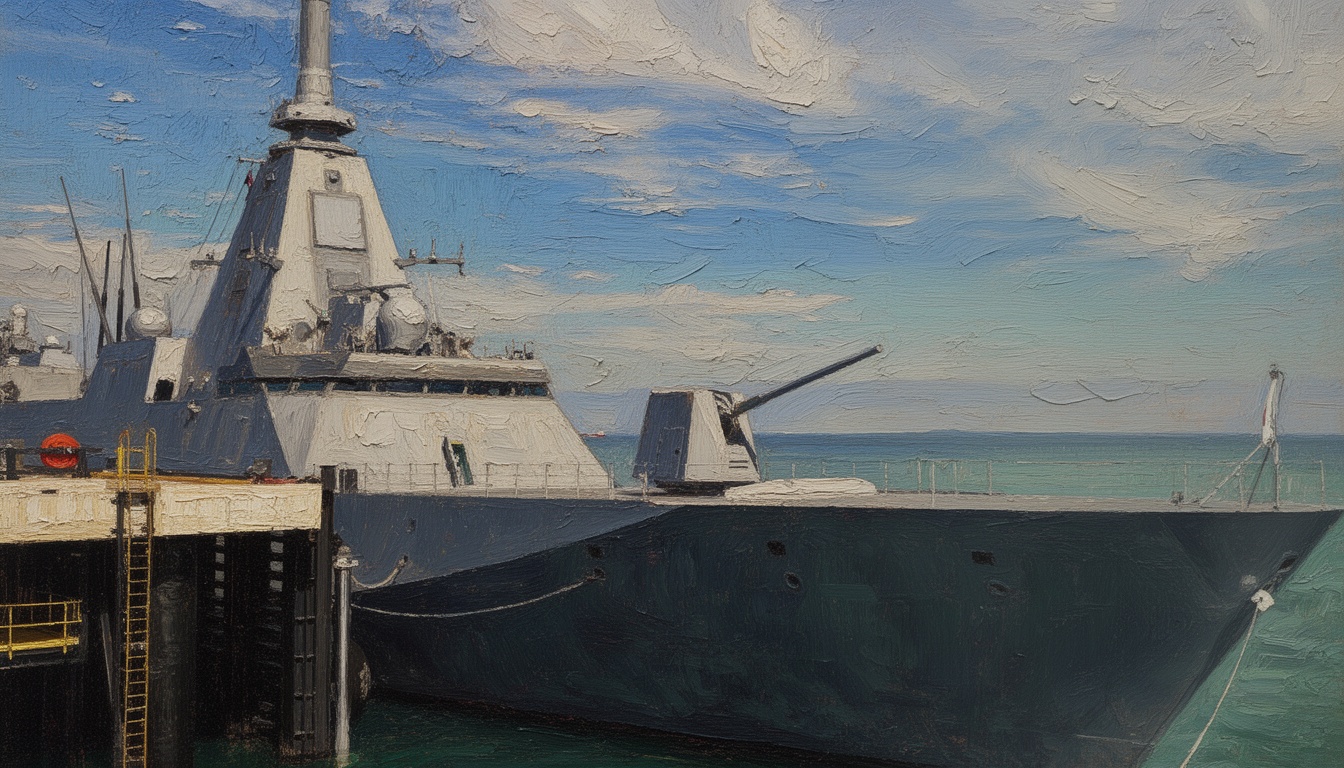
Australia-Japan $7B warship deal signals shift from US reliance
The Australia-Japan warship deal, valued at about $7 billion, marks a strategic pivot in defense collaboration. Analysts expect deeper tech cooperation, expanding Canberra’s security architecture beyond Washington. The agreement aims to address naval shortfalls and reduce Canberra’s overreliance on the US amid volatility.
A landmark $7 billion warship agreement between Australia and Japan signals a significant shift in regional defense architecture. The pact, centered on advanced surface combatants and related technology, expands bilateral cooperation beyond existing intelligence and logistics ties. Analysts say the deal will deepen industrial partnerships and accelerate joint capability development in the Indo-Pacific.
Background context shows a broader trend toward multi-domain security arrangements among allied democracies in the region. Tokyo and Canberra have steadily broadened their defense conversations over the past decade, with joint exercises and technology-sharing agreements forming the backbone of this evolving partnership. The new deal crystallizes that trajectory into a formalized, high-value program.
Strategically, the agreement is framed as a hedge against overreliance on the United States and as a capability multiplier for both navies. It comes at a time of heightened volatility across Asia-Pacific flashpoints and growing expectations for integrated defense production. Analysts view it as part of a broader effort to diversify alliance architectures without sacrificing interoperability with traditional partners.
Technical and operational details remain to be fully disclosed, but the package is expected to include co-development or co-production of hulls, propulsion systems, sensors, and combat management software. The deal potentially covers multiple ships, with linked supply chains and spare-parts pipelines designed to sustain extended naval deployments. Financing may involve export-credit arrangements and technology-transfer provisions, subject to end-user restrictions and safeguarding measures.
Possible consequences include reshaped regional power dynamics, with Japan and Australia signaling a more autonomous defense posture. If implemented effectively, the partnership could influence allied budgeting, industrial policy, and regional deterrence calculations. Forward assessment suggests greater pressure on other regional actors to respond with parallel modernization or realignment efforts, potentially raising the tempo of defense modernization in the Indo-Pacific.