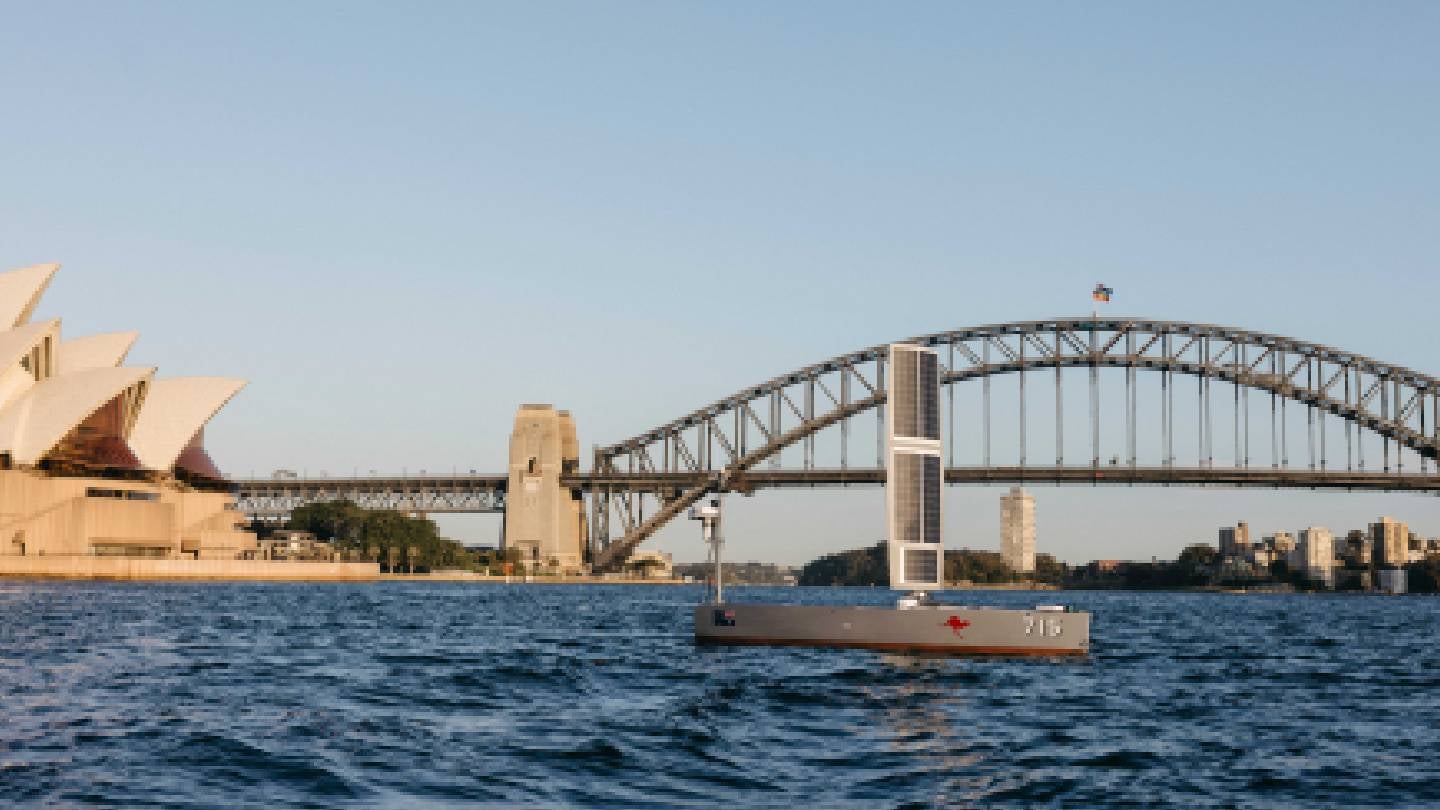
Australia Invests $125M in 40 New Bluebottle USVs Amid Regional Tensions
Australia's $125 million investment in Bluebottle uncrewed surface vessels signals heightened military readiness in a volatile Indo-Pacific. The expansion underscores the urgency of countering increasing maritime threats in the region.
Australia's government has committed A$176 million ($125 million) to procure 40 Bluebottle uncrewed surface vessels (USVs) from Ocius Technology, reflecting a significant escalation in its naval capabilities. This decision comes as geopolitical tensions rise in the Indo-Pacific, particularly with China's increasing assertiveness in the South China Sea, prompting Australia to bolster its maritime surveillance and operational reach.
The Bluebottle USVs are designed for surveillance and reconnaissance, providing Australia with the capacity to monitor maritime activities more effectively. This expansion builds upon previous investments in unmanned systems and represents an ongoing shift in military strategy to incorporate advanced technological solutions. Over the last several years, regional naval exercises and the frequency of incursions by foreign vessels have highlighted the need for enhanced Australian naval assets.
This development is significant not only for Australia's regional posture but also for its alliances, particularly with the United States and allies in the Quad grouping (Japan, India, and the US). The successful integration of these USVs could enhance interoperability among allied forces and contribute to collective security objectives in the contested waters of the Indo-Pacific, where rivalries are increasingly fluid and dangerous.
Key actors in this equation include Ocius Technology, responsible for the development of the Bluebottle USVs, and Australian defense planners prioritizing advanced unmanned systems to improve maritime domain awareness. The stated goal of this investment is to increase surveillance capabilities; however, undercurrents of urgency reflect deeper concerns about China's burgeoning naval reach and ambitions in the Pacific.
The Bluebottle vessels are 7 meters in length and engineered for a range of operations, including long-duration missions with minimal crew involvement, allowing for more efficient use of resources. Each vessel is equipped with advanced sensor systems suited for intelligence gathering and reconnaissance, enhancing the Australian Navy's ability to conduct missions in contested areas without manned risk.
The likely consequences of this investment will include increased tensions in the region and possibly provoking stronger military responses from rival nations. As Australia showcases its enhanced capabilities, it may lead to further militarization of the Indo-Pacific, with additional naval deployments from China or renewed assertiveness in disputed waters.
Historically, similar expansions of naval capabilities have led to arms races, exemplified by the rapid militarization witnessed during the early years of World War II in the Pacific. Military analysts may recall the parallel build-up of forces and technologies that characterized those preparations, which contributed to a domino effect among nations trying to safeguard their interests.
Moving forward, watch for indicators such as changes in Chinese naval deployments, increased joint exercises among Quad members, and responses from Southeast Asian nations regarding their own maritime defense strategies. The expansion of the Bluebottle fleet could also catalyze discussions regarding further investments in unmanned systems across the region, prompting a reevaluation of defense budgets and priorities among Australia’s neighbors.