Australia Escalates Military Support to UAE Amid Iranian Threats
Australia's deployment of missiles and reconnaissance aircraft to the Emirates marks a significant escalation in Middle Eastern military dynamics amid rising tensions with Iran.
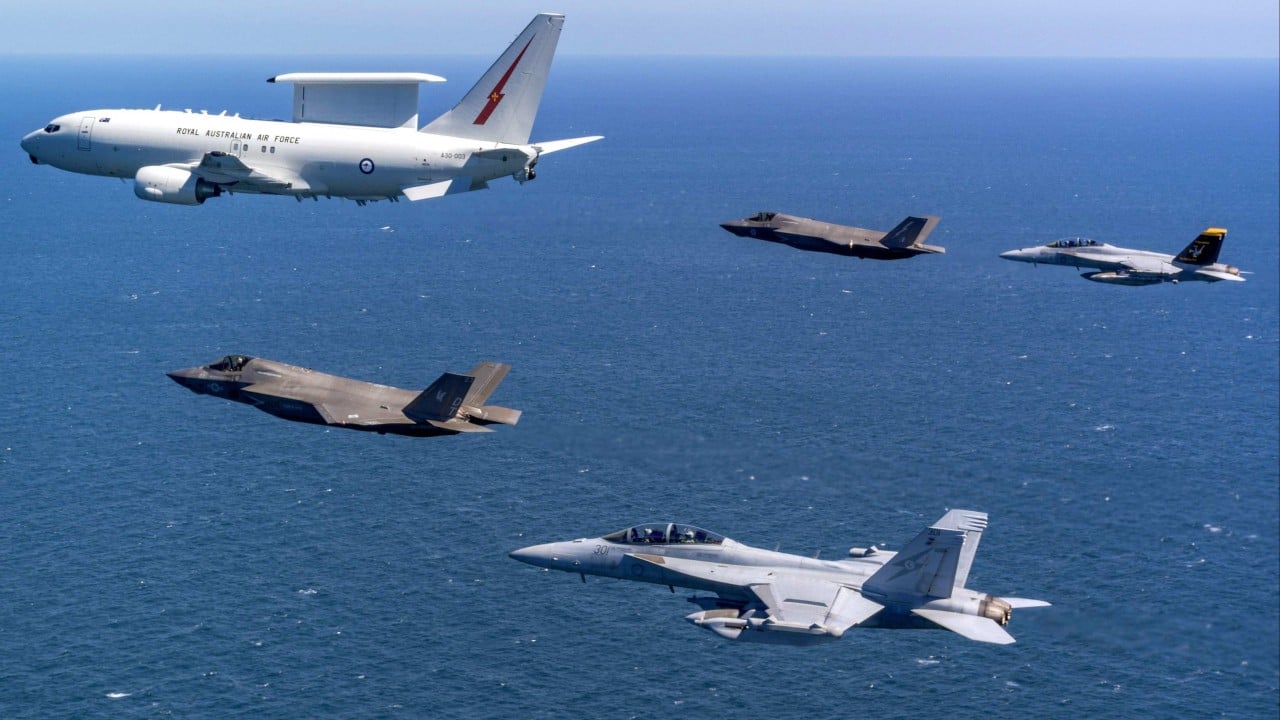
Australia will send a military reconnaissance aircraft and missiles to the United Arab Emirates (UAE) as part of a strategic defense initiative. This decision, announced by Prime Minister Anthony Albanese, underscores the growing security threats in the region, albeit without the commitment of ground troops. The move signals a clear intention to bolster Emirati defenses amid escalating provocations from Iran.
Historically, Australia has maintained a cautious stance in Middle Eastern conflicts, often opting for non-combat roles. However, developments over the past few years, particularly Iran's expanding influence and recent hostile actions in the Strait of Hormuz, have significantly altered the landscape. The UAE, a key ally in the Gulf region, faces increased aggression from Iran, which has been testing boundaries with drone attacks and naval incursions.
The significance of Australia's military support lies in the strategic shift it represents. By directly arming the UAE and increasing its military presence, Australia is effectively positioning itself as a counterbalance to Iranian expansionism. This deployment exposes vulnerabilities in regional security architectures and reflects broader concerns among Western allies about Iran's influence and capabilities, especially in light of its advanced missile technology and asymmetric warfare tactics.
Key actors in this situation include not only Australia and Iran but also the United States and other Western allies deeply invested in Middle Eastern stability. Albanese’s government stresses that the involvement is purely defensive; however, the decision to provide military assets suggests a tacit acknowledgment of the necessity to confront Iranian threats more assertively. Tehran is likely to interpret these actions as further encirclement, fueling its ongoing regional proxy activities in Iraq, Syria, and Lebanon.
Operationally, Australia is set to deploy Boeing P-8 Poseidon maritime surveillance aircraft, known for their capability to conduct anti-submarine warfare and perform long-range intelligence missions. Additionally, the transfer of missiles, specific types yet undisclosed, adds a robust defensive layer for the UAE's air defense architecture. The financial and logistical implications of this initiative could demand significant resource allocation, aligning Australia's military strategy more closely with its Gulf partners.
The likely consequences of this deployment may lead to heightened tensions between Iran and Gulf states, with increased risks of military confrontations. Iran may escalate its cyber and hybrid warfare tactics against the UAE and its allies, seeking to undermine Australian presence. Additionally, as Australia solidifies its military contributions, it may compel other allies, particularly those in Europe and Asia, to reassess their military commitments to the region.
Historically, this deployment echoes actions reminiscent of the Gulf War era, where international coalitions formed around shared threats. The parallels to the U.S.-led Operation Desert Shield reveal the complexities and urgent situations that arise when nations perceive existential threats. Australia's position in this historical context might signal a return to more active military involvement in the Middle East.
Looking ahead, defense analysts will closely monitor Iran's response to these developments, particularly its military posturing and potential countermeasures. Intelligence indicators to watch include Iranian naval movements, missile testing, and the activation of proxy forces in Iraq and Yemen. Australia’s increasing military presence in the Gulf could serve as a precursor to broader military engagements as tensions in the region continue to escalate.