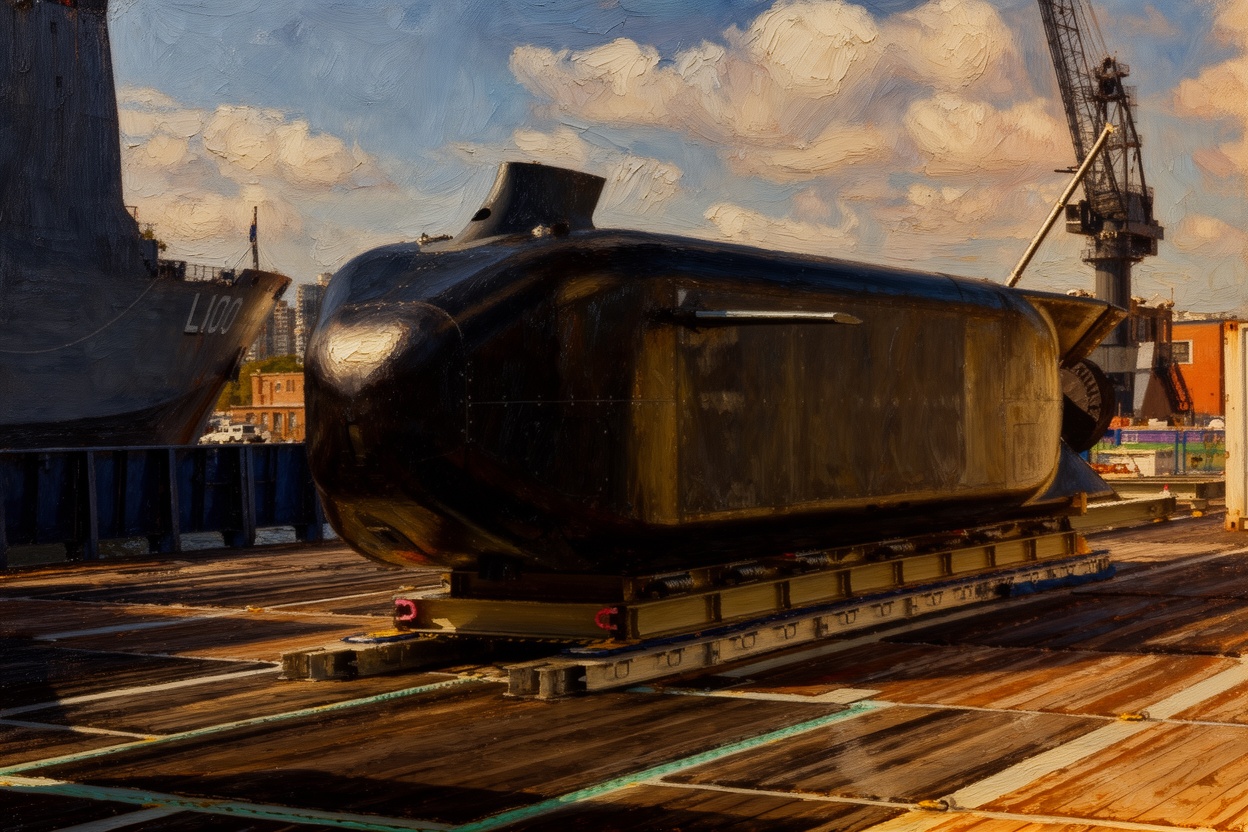
Australia Creates Maritime Autonomous Systems Unit
Australia formalizes a dedicated autonomous systems unit within the Royal Australian Navy, driving rapid integration of maritime AI-enabled platforms. The MASU stands as a milestone in the service’s shift to a more capable, tech-forward fighting force. The unit is born from Project SEA 1200, aiming to accelerate development, integration, and fielding of autonomous maritime systems.
The Royal Australian Navy has正式ly established the Maritime Autonomous Systems Unit (MASU) as a core component of its future force structure. MASU represents a deliberate move to embed autonomy across naval operations, from mine countermeasures to surveillance and logistics. The unit's creation is tied directly to Project SEA 1200, which channels resources and governance toward rapid maturation of maritime autonomous systems. This development signals Canberra’s commitment to a tech-enabled deterrence posture in the Indo-Pacific regional balance of power.
MASU's mandate encompasses development, integration, and operational employment of autonomous systems across surface and subsurface domains. The unit will coordinate with other defense lines—including platform engineering, cyber, and data analytics—to ensure seamless command-and-control, protection, and mission success. This is more than procurement; it is an institutional step toward a distributed fleet where autonomous assets augment manned platforms. The move also aligns with broader allied trends toward automated maritime operations and persistent littoral presence.
Strategically, MASU strengthens Australia’s ability to tailor tempo and risk in contested waters. Autonomous systems offer potential force-multiplying effects, enabling longer endurance, reduced risk to sailors, and expanded ISR reach. In the Indo-Pacific theatre, where sea denial and assured access compete, MASU contributes to a layered deterrence by complicating adversaries’ planning and escalation options. The unit’s existence underlines a broader shift toward data-driven, networked warfare where unmanned platforms feed real-time intelligence to decision-makers.
Technically, MASU will integrate with SEA 1200’s program architecture, leveraging sensor fusion, autonomy software, and secure communications. The unit will oversee trials, simulations, and early deployments of unmanned surface vessels, underwater vehicles, and aerial systems when appropriate. Budgetary and governance frameworks will emphasize rapid prototyping, safety, and interoperability with coalition forces. Operational lessons from MASU will shape future force design, logistics, and rules of engagement for autonomous operations.
Looking ahead, MASU is likely to drive ongoing acceleration in Australia’s defense industrial base and allied tech collaborations. Expect increased test ranges, data-sharing arrangements with partners, and iterative capability releases that push autonomy from experimentation toward routine mission execution. As regional rivals advance their own unmanned programs, MASU’s progress will influence deterrence calculations, alliance cohesion, and strategic risk in the maritime domain.