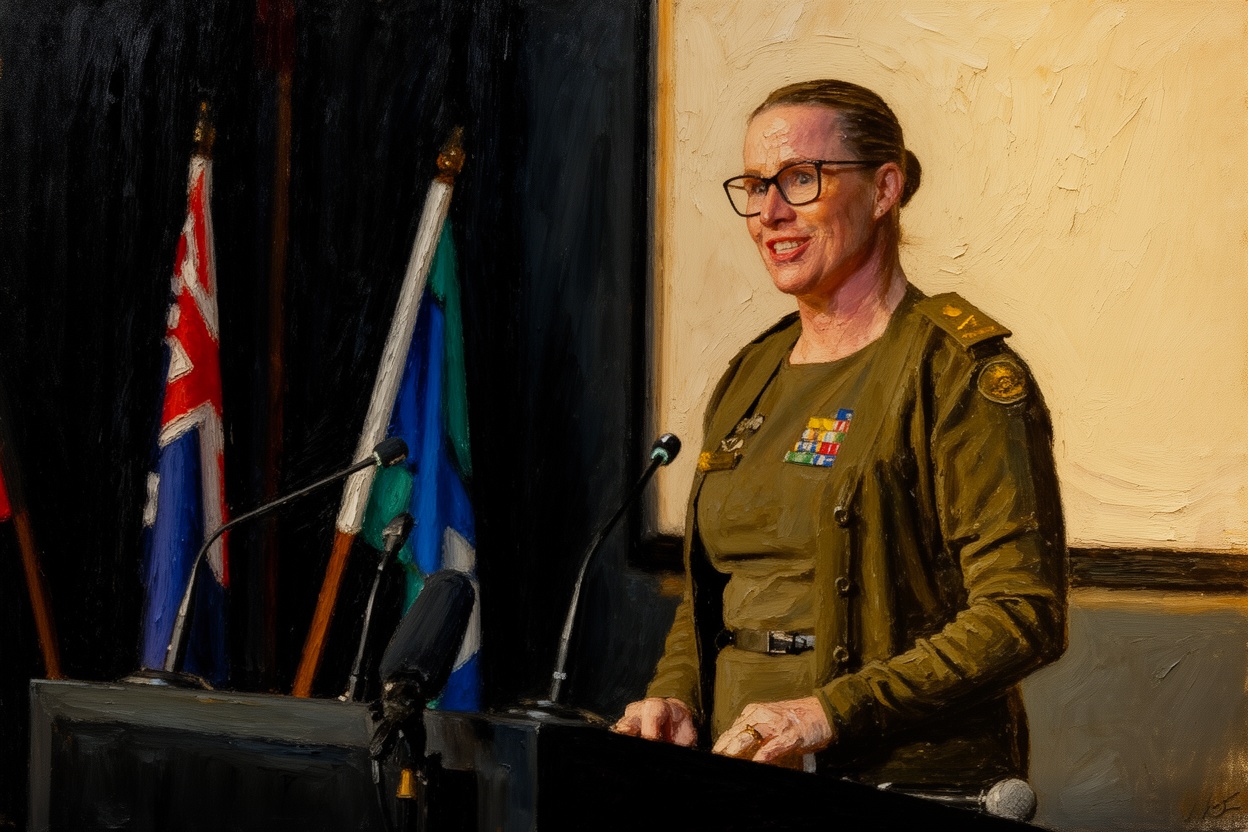
Australia appoints new military leadership; first female army chief named
Australia announces a reshuffle of its senior military leadership. Lieutenant General Susan Coyle will become army chief in July, the first woman to hold that position. The broader changes signal a push toward diverse leadership at the highest levels of the Australian Defence Force.
Australia is appointing a new slate of senior military leaders, highlighted by the elevation of Lieutenant General Susan Coyle as army chief, effective in July. Coyle becomes the first woman to hold the post, marking a historic milestone for the Australian Defence Force. The announcements come as Canberra continues to reform its leadership to reflect evolving defense priorities and a more diverse officer corps.
The move follows a broader refresh of senior posts within the Australian Defence Force, underscoring a shift in talent management and succession planning. The government has signaled that leadership appointments will align with strategic objectives, including deterrence, regional engagement, and modernization efforts. Observers see this as a test of the ADF’s ability to balance traditional military authority with progressive recruitment and promotion practices.
Strategically, the leadership changes send a message to allies and potential adversaries about Australia’s commitment to capable, modern forces under a more representative command structure. The appointment of an army chief who breaks gender barriers could influence culture and retention, potentially affecting operations, training, and careers across services. It also aligns with broader Western defense norms on inclusive leadership at the highest levels.
Operationally, Coyle’s appointment is paired with continuity in command that preserves ongoing programs in capability development and regional security operations. The focus remains on disrupting regional threats, maintaining alliance interoperability, and sustaining the Australian deterrence posture. Analysts will watch for any reforms in force structure, joint exercises, and defense industry collaboration that reflect this leadership transition.
Looking ahead, the transition may accelerate conversations about governance, succession planning, and the pace of capability upgrades within the ADF. If the new leadership accelerates reform or shifts emphasis toward higher readiness and expeditionary capabilities, Australia could adjust its posture in the Indo-Pacific arena. The July start date ensures a brief overlap with outgoing leaders, allowing for a measured handover and continuity of operations.