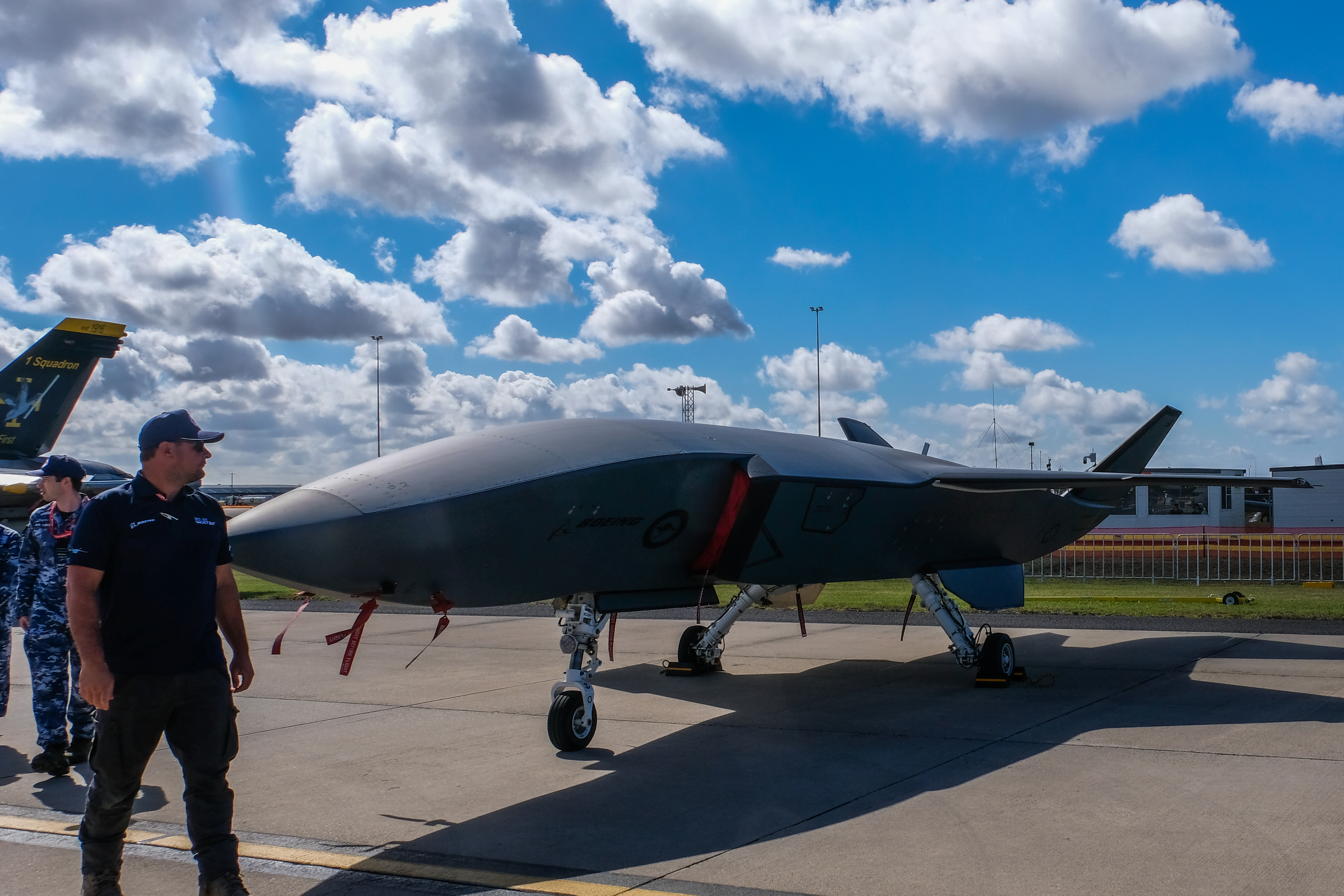
Australia Accelerates Development of Ghost Bat Combat Drone Fleet to 10 by 2028
The Royal Australian Air Force's plan to operationalize 10 Ghost Bat drones by 2028 marks a significant advancement in collaborative combat capabilities. This development underscores Australia's commitment to enhancing its aerial warfare technology amid evolving regional security dynamics in the Indo-Pacific.
The Royal Australian Air Force (RAAF) has announced plans to operationalize ten 'Ghost Bat' collaborative combat aircraft, commonly referred to as buddy drones, by the year 2028. This initiative forms part of Australia's broader defense modernization strategy, aiming to integrate advanced unmanned aerial systems (UAS) into its military operations. The Ghost Bat is designed for support roles that complement traditional manned aircraft, enhancing effectiveness through autonomous systems and artificial intelligence-powered capabilities.
The significance of this development is underscored by the growing tensions in the Indo-Pacific region, particularly related to China's increasing military assertiveness and modernization efforts. Enhancing the RAAF's fleet with these advanced drones aims to bolster deterrence capabilities and interoperability with allied forces. This move reflects a strategic pivot towards leveraging cutting-edge technology, including AI and UAS, which are critical for future warfare scenarios in a complex and contested operational environment.
Key players in this initiative include the Australian government, which has prioritized defense spending and technological advancement in response to regional threats, and industry partners involved in the development of the Ghost Bat program. The integration of these combat drones into RAAF operations may serve as a model for other nations looking to modernize their air combat capabilities while maintaining a competitive edge against potential adversaries.
The implications of Australia's drone program extend beyond national defense, potentially influencing regional power dynamics and arms developments. The fielding of Ghost Bat drones could compel neighboring countries to accelerate their own military modernization programs, particularly in unmanned systems, thereby igniting an arms race in the region. Collaboration with allies, especially the United States in terms of technology transfers and joint exercises, may further enhance the efficacy of these systems against shared threats.
Historically, advancements in aerial combat capabilities have often led to shifts in military strategy and defense policies. For Australia, this move is reminiscent of the introduction of the F/A-18 Hornet in the late 1980s and its subsequent evolution into a key pillar of air defense. Just as that aircraft shaped Australian military operations, the Ghost Bat has the potential to redefine how the RAAF engages in air supremacy and collaborative engagements in the future.
Analyst assessments indicate that the successful integration of the Ghost Bat drones into the RAAF’s operational framework could serve not only to enhance Australia’s independent defense capabilities but also reinforce alliances with regional partners. As global military dynamics continue to shift, this technological investment positions Australia favorably, promoting a vision of a more secure and capable defense posture in the face of emerging threats.