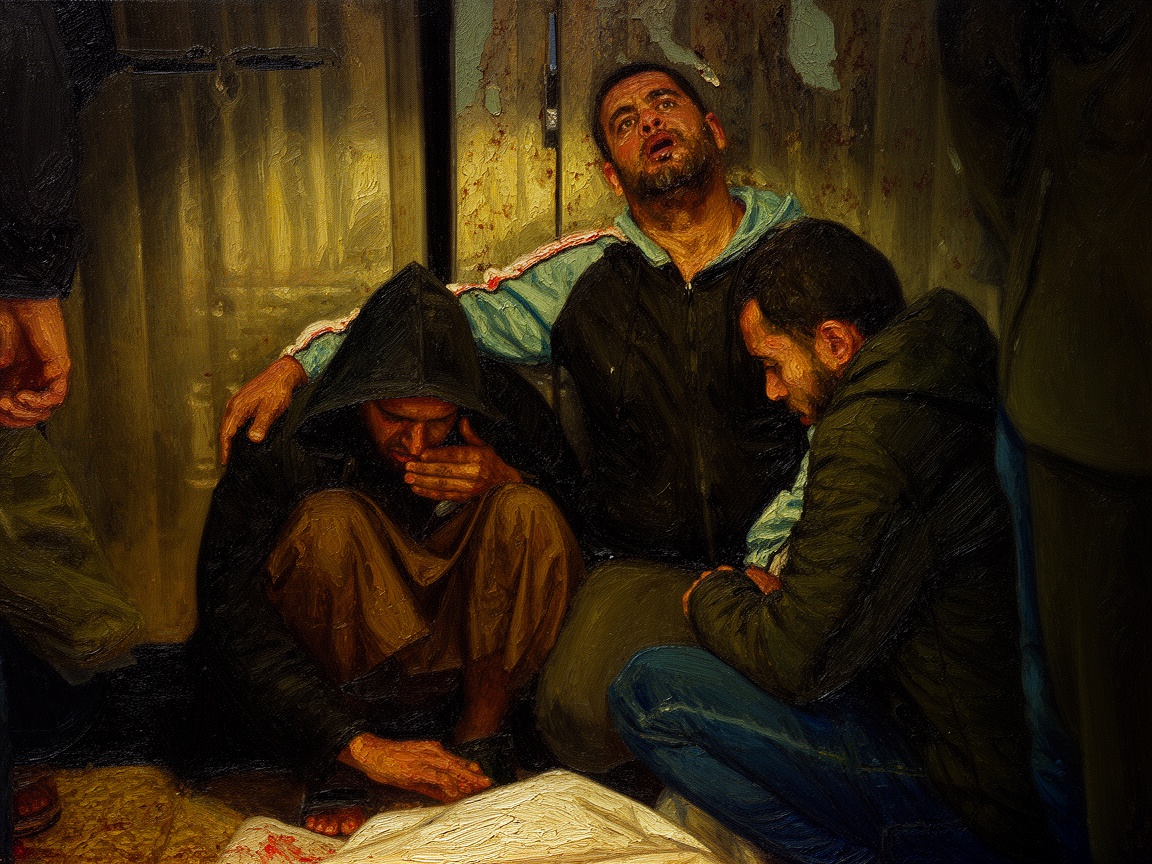
At least seven Palestinians killed in Israeli attacks on Gaza
Seven Palestinians have been killed in overnight Israeli strikes on Gaza, with a dawn strike on Bureij refugee camp and drones hitting a tent in Khan Younis. The rapid violence underscores a widening humanitarian and strategic crisis. International actors will weigh ceasefire prospects against mounting casualties and regional instability.
The core development is blunt: Israeli attacks in Gaza have killed at least seven Palestinians, including civilians, in the early hours of the morning. A strike hit the Bureij refugee camp, targeting a group of civilians, while drones struck a tent in Khan Younis. The incidents mark a sharp escalation in the current phase of hostilities and raise the stakes for any potential de-escalation talks. Casualty figures are likely to rise as the situation on the ground remains fluid and combat activity continues in multiple districts.
Background context: Gaza has endured recurring cycles of violence for years, with tunneling into civilian areas and drone strikes disrupting daily life. The latest strikes follow a period of intensified Israeli countermeasures against militant activities in the enclave, and they come amid fragile regional alignments that influence the conflict’s dynamics. Civilian infrastructure, including residences and humanitarian facilities, already faces sustained pressure from periodic bombardments.
Strategic significance: The deaths deepen the existential pressure on Gaza’s civilian population and complicate international mediation efforts. For Israel, the strikes reinforce deterrence messaging aimed at militants but risk broadening regional backlash and international condemnation. For neighboring states and global powers, the incident tests the limits of diplomatic leverage and potential third-country mediation initiatives.
Technical/operational details: The attacks involved an early-morning air strike on a civilian group in Bureij and a drone attack on a tent in Khan Younis. Casualty details indicate civilian victims, raising questions about target selection and rules of engagement in dense urban terrain. No official confirmations on specific combatants or operational commanders have been released in this brief, and the balance between precision and collateral damage remains a critical issue.
Likely consequences and forward assessment: The immediate effect is heightened fear and displacement among residents, with potential further civilian casualties if strikes persist. The international community may push for a humanitarian pause or limited ceasefire to prevent a further collapse of civilian life. If the pattern continues, expect intensified diplomatic activity at regional and multilateral levels, aimed at reestablishing a minimal security framework and protecting essential civilian corridors.