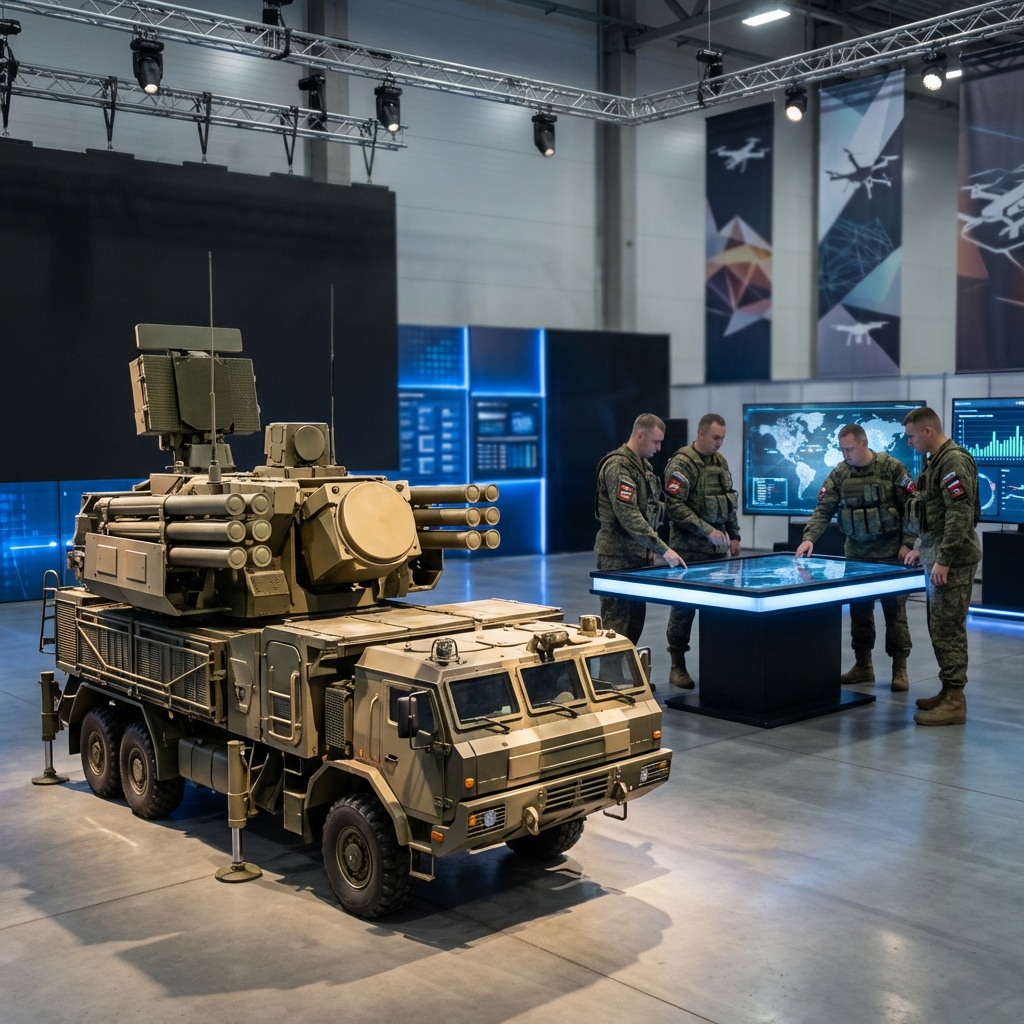
Assessment of Iran's Air Defense Network Failures in Recent Conflicts
Iran's air defense capabilities have proven inadequate in recent engagements against U.S. and Israeli forces. This operational shortfall highlights systemic deficiencies that require critical examination.
The recent military operations by the United States and Israel against Iranian assets have starkly illuminated the vulnerabilities within Iran's air defense network. This analysis focuses on the factors contributing to these shortcomings and the implications for Iran's military strategy. Key observations from the conflict indicate that while Iran has invested heavily in its air defense infrastructure, the performance failures have rendered its systems largely ineffective against advanced aerial threats.
Technically, Iran's air defense units rely on a combination of domestically produced systems and foreign acquisitions, such as the Russian S-300. However, several factors contribute to their underwhelming performance. These include inadequate radar coverage, obsolete tracking and targeting technologies, and a lack of integration among various systems intended to create a cohesive defense grid. Furthermore, the reliance on outdated doctrines, which do not adequately address modern aerial warfare tactics, has exacerbated these shortcomings, allowing adversaries to achieve rapid air superiority with relative ease.
From a strategic perspective, the implications of these failures for Iran cannot be overstated. The inability to safeguard critical infrastructure and military installations undermines the nation's deterrent posture and could lead to increasing regional instability. Iran's adversaries may be emboldened by this apparent deficiency, leading to more aggressive operations within Iranian territory or against Iranian proxies in the region. This creates a precarious situation for Tehran, which must now reconsider its air defense strategies and invest in upgrading its capabilities, including the potential procurement of more modern systems.
Research shows that the manufacturers of the key components of Iran’s air defense systems include both domestic entities and foreign suppliers, particularly from Russia and China. Continued sanctions and geopolitical pressures complicate Iran's ability to enhance its air defense technology further. As such, the prospect of modernizing its air defenses while grappling with these constraints poses a strategic dilemma for Iran moving forward.
In conclusion, the failures of Iran's air defense network provide critical lessons for its leadership. It underscores the need for a comprehensive reassessment of both technology and operational strategies to bolster its air defense capabilities in an era of advanced aerial threats. As adversaries continue to leverage technological superiority in air power, Iran's defense strategy must evolve to avoid further vulnerabilities in the face of external aggression.