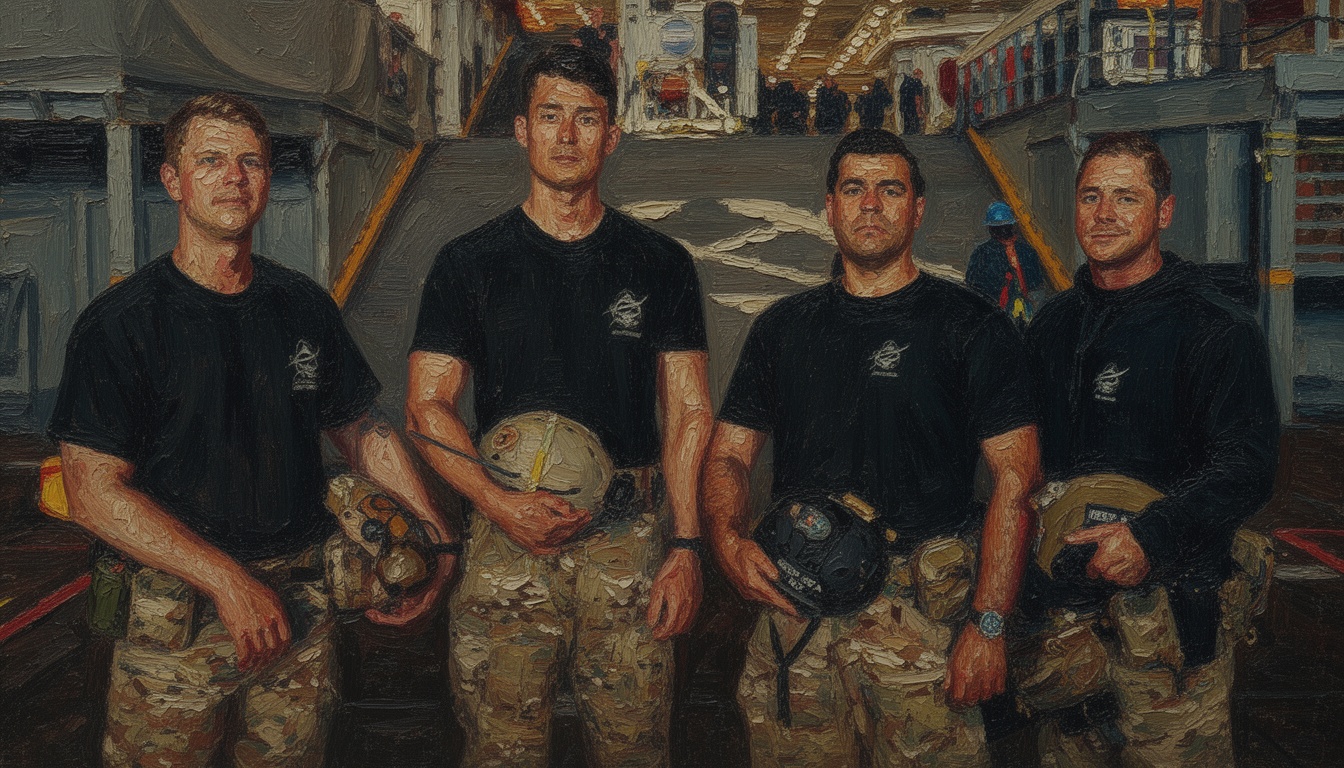
Artemis II dönüş ekibini karşılayacak ilk Navy nüfuzu açıklandı
Dört denizci, Artemis II mürettebatı Pasifik’te suya iniş yaptıktan sonra geri dönen ekip ile ilk yüzleri oluşturacak. Bu temas, uzay programının yörüngesindeki sembolik ve operasyonel bir anı temsil ediyor. Görev devam ederken savunma entegrasyonu ve bilimsel hedefler arasındaki görünür güvenlik göstergeleri yükseliyor.
The Navy will greet Artemis II astronauts with the first on-scene faces after their Pacific splashdown on Friday night. Four sailors will form the initial contact point for the crew, marking a ceremonial and practical handoff between spaceflight operations and naval rescue forces. The moment underscores the ongoing coordination between NASA and naval assets for crew recovery and public communications. The encounter is designed to reassure the public and demonstrate disciplined inter-service cooperation in high-visibility missions.
Background colleagues describe the return as a routine but high-profile phase of deep-space exploration. Artemis II builds on years of test flights, international partnerships, and evolving tactical procedures for crew retrieval. The Navy’s role testifies to the broader defense-industrial ecosystem that supports human spaceflight. This face-to-face greeting also signals the continuing normalization of space operations within national security frameworks.
Strategically, the move strengthens deterrence through a visible, multi-domain response architecture. It reinforces civil-military integration in spaceflight, a domain where safe withdrawal is as critical as ascent. The public ceremony aspect helps sustain support for ongoing budget lines and technology maturation programs. It also tests communication channels that will matter in future, more complex missions.
Technical details are governed by standard recovery procedures. The four sailors will likely man the recovery zone, coordinating with flight controllers, medics, and transport assets. While not detailing equipment, the scene emphasizes trained rescue teams, safety overlays for splashdown zones, and robust interagency protocols. Analysts will watch for any procedural tweaks that could inform later Artemis legs or similar missions.
Looking forward, the reception sets the tone for Artemis II’s public narrative and operational legitimacy. The sailors’ role will extend to subsequent press engagements and debriefs, shaping how the mission is perceived by lawmakers and international partners. If tensions or disruptions arise in related space activities, this routine face-to-face contact provides a stabilizing reference point for allied reassurance and alliance signaling.