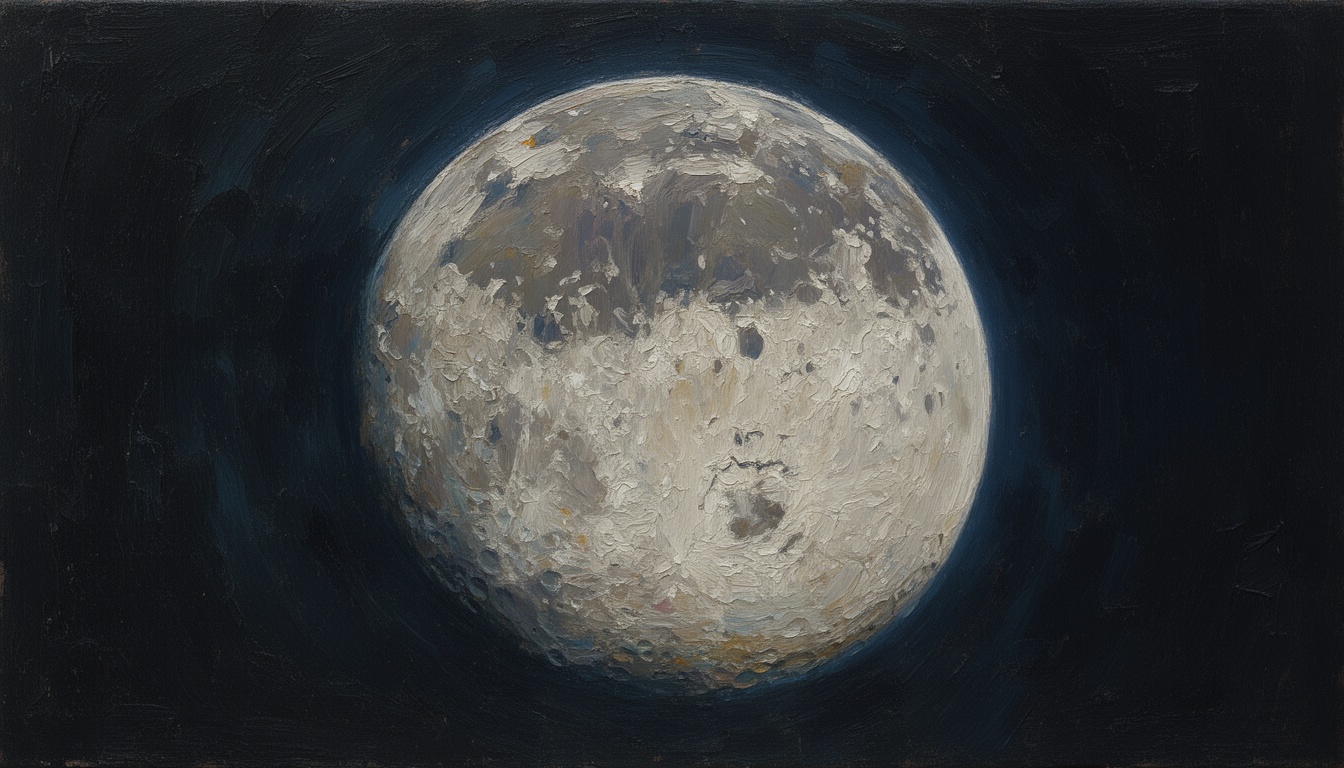
Artemis II Crew Begin Return After Milestone Lunar Flyby
The Artemis II mission completed a historic lunar flyby, gathering valuable scientific data including new lunar crater observations, solar eclipse imagery, and meteor strike analysis. This marks a significant step in deep space exploration, setting the stage for future crewed lunar and interplanetary missions.
The Artemis II astronauts concluded their landmark lunar flyby on Tuesday, beginning the return journey to Earth. During the flyby, the crew collected extensive celestial data, including observations of previously undocumented lunar craters. Additionally, the mission captured images of a solar eclipse and documented meteor strikes on the Moon's surface.
Artemis II is the first crewed mission to orbit the Moon since the Apollo era, demonstrating advancements in space travel capabilities for NASA and its international partners. The mission serves as a bridge between past lunar explorations and ambitious plans for establishing a sustained human presence beyond Earth.
Strategically, the mission’s success provides critical data that will inform the design and operations of future deep space missions, including Artemis III that aims to land astronauts on the lunar surface. The inclusion of diverse scientific observations helps enhance understanding of lunar geology and solar phenomena, which has wider implications for planetary defense and space weather forecasting.
From a technical perspective, the Artemis II spacecraft executed complex orbital maneuvers to enable close lunar observations while maintaining crew safety throughout the mission. The collection of high-resolution images and real-time data transmission showcased NASA’s ability to operate sophisticated instruments in a challenging environment.
Looking ahead, these achievements bolster international confidence in crewed lunar exploration programs, encouraging collaborations and investments. The Artemis II data will support upcoming missions, advancing humanity’s capacity for sustained space presence and eventual interplanetary travel.