Army's ITEP Engine Delivery Delayed Until 2028, Leaders Warn
The U.S. Army's challenging delay in the Improved Turbine Engine Program (ITEP) now pushes full qualification to 2028. Supply chain disruptions and manufacturing problems have stalled engine delivery, posing risks to modernization efforts. The delay highlights potential vulnerabilities in future rotary-wing aviation capabilities.
The U.S. Army announced that its Improved Turbine Engine Program (ITEP) aiming to fully qualify the engine by 2028 faces significant delays. Originally, the engine was slated for delivery in 2022, but various setbacks have postponed this timeline.
The program launched to develop a more powerful and fuel-efficient turbine engine for rotorcraft, intended to underpin the modernization of the Army’s helicopter fleet. However, supply chain disruptions triggered by the COVID-19 pandemic, coupled with complex manufacturing challenges, have delayed parts production and final assembly.
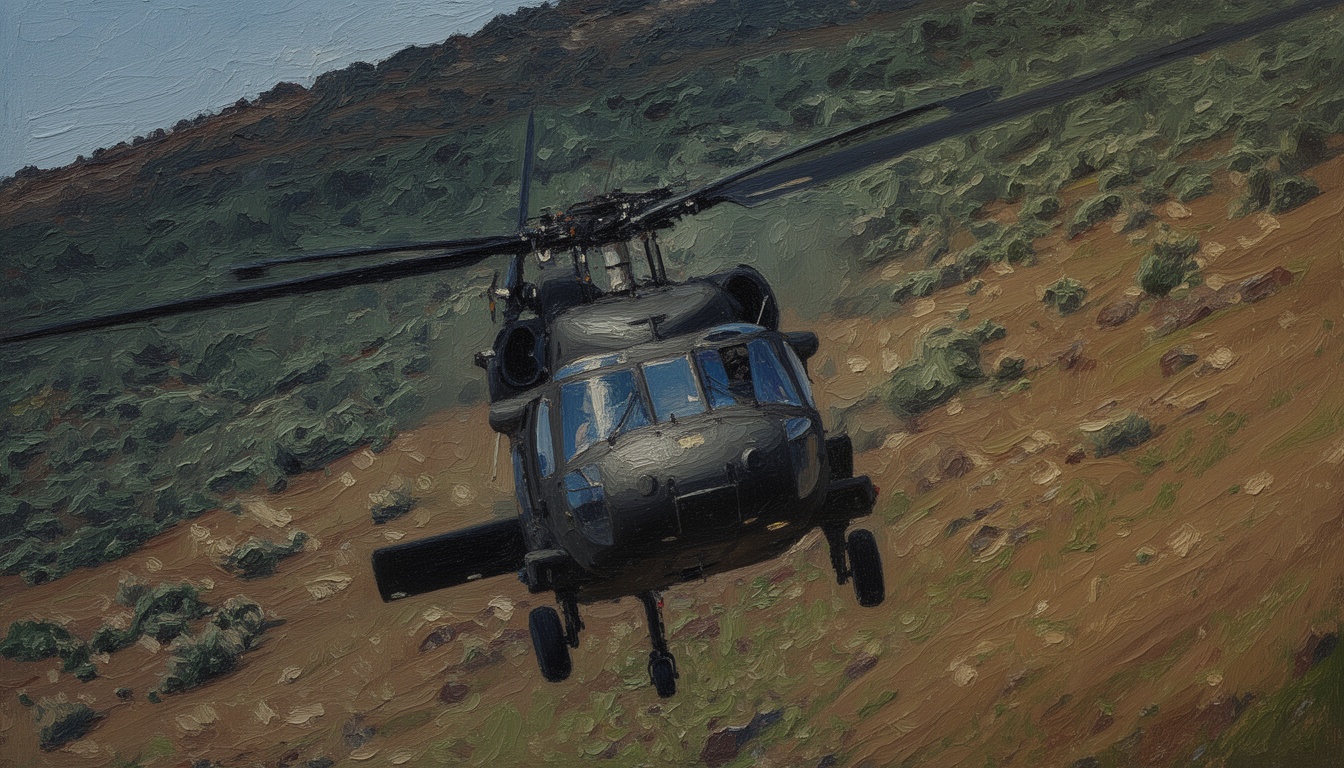
Strategically, the delay impacts the Army's rotary-wing modernization plans, as the new engine is critical for boosting performance, endurance, and survivability of attack and general-purpose helicopters. A gap in fielding the upgraded engine could degrade the U.S. military’s competitive edge against near-peer adversaries.
Technically, the ITEP engine targets a 25% power increase over the current T700 series, with improved fuel efficiency and reduced maintenance demands. The manufacturing complexities stem from advanced materials and precision components needed to meet these high-performance parameters.
If the 2028 qualification target slips further, the Army risks extended reliance on older turbine engines that may limit operational capability and increase maintenance costs. The delay underscores broader vulnerabilities in defense industrial supply chains and threatens to slow vital aviation modernization.