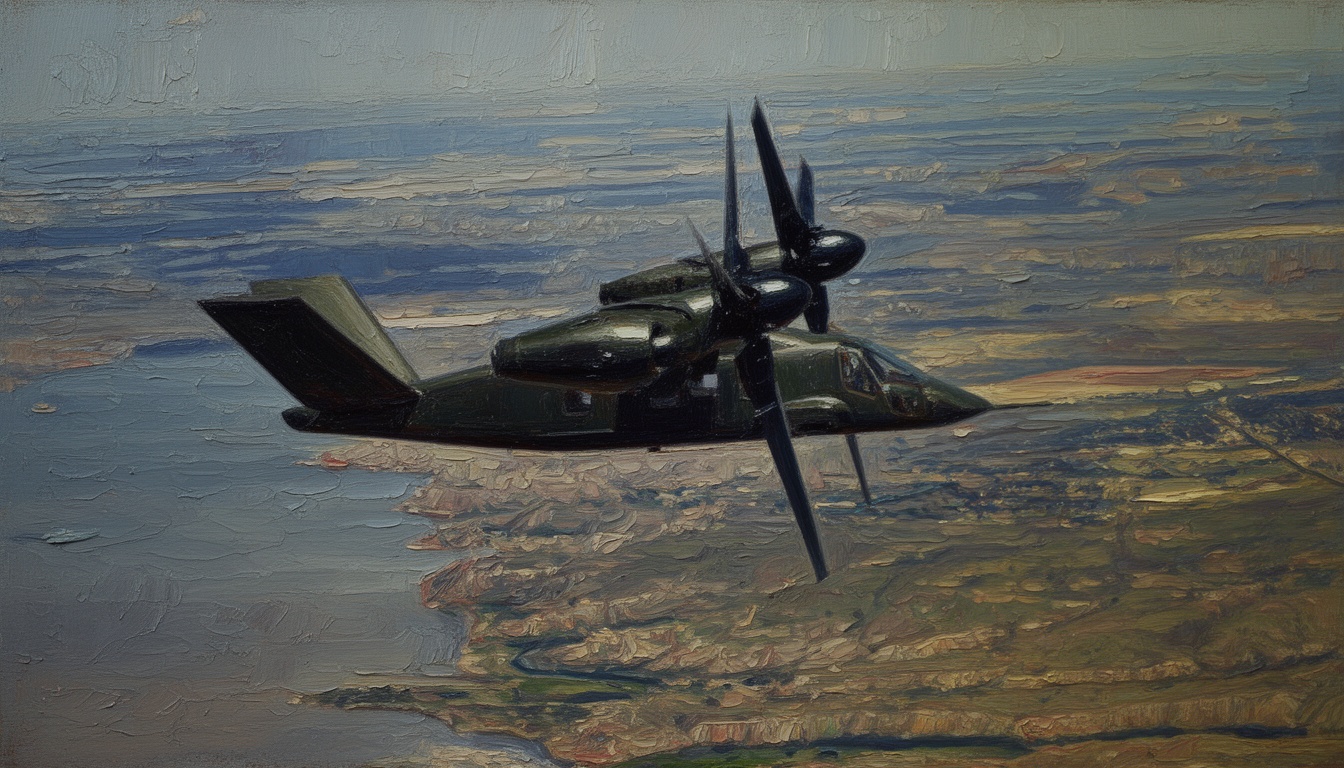
Army weighs in-air refueling for Cheyenne II MV-75 amid logistic gaps
The Army is examining a dedicated in-air refueling solution for the Cheyenne II MV-75 as it confronts a lack of organic refueling assets. Senior leaders say a self-sufficient aerial resupply capability is needed to close a critical logistics gap. The move signals a shift toward ensuring long-range, persistent helicopter operations without reliance on external partners.
The Army is actively exploring an in-air refueling requirement for the Cheyenne II MV-75. This consideration comes after senior officials acknowledged the absence of organic refueling assets within the force. The aim is to establish a self-contained aerial resupply capability to sustain MV-75 operations over extended ranges. The discussion centers on how to implement a practical, reliable method to extend mission endurance without compromising safety or readiness.
Contextly, the MV-75 program is in a phase where demonstrated range, endurance, and logistical footprint matter as much as the platform’s combat utility. Tactical operators have emphasized the need for persistent airlift and resupply in contested or austere environments. The Army’s leadership appears determined to address a material gap that could constrain future maneuver operations or rapid deployment timelines.
Strategically, a robust aerial refueling capability would influence force projection and deterrence calculations. The decision affects how the service plans its future aviation architecture and integrates with allied partners’ logistics networks. It could also shape negotiations over maintenance, training, and risk-sharing for any in-air refueling construct.
Technical details remain forthcoming, but the core issue is whether the Army can field a practical refueling solution for the MV-75. This includes considerations of compatible refueling aircraft or podded systems, crew qualifications, and safety standards for airborne transfer. Budgetary and industrial-base implications will likely emerge as the concept matures, affecting timelines and procurement priorities.
Forward assessment suggests the Army will pursue a staged approach: define requirements, run targeted tests, and then decide on a scalable capability. If feasible, the in-air refueling capability could extend MV-75 reach, enable longer-range reconnaissance, and improve survivability in contested spaces. The policy outcome will hinge on risk management, cost, and interoperability with partners’ logistics frameworks.