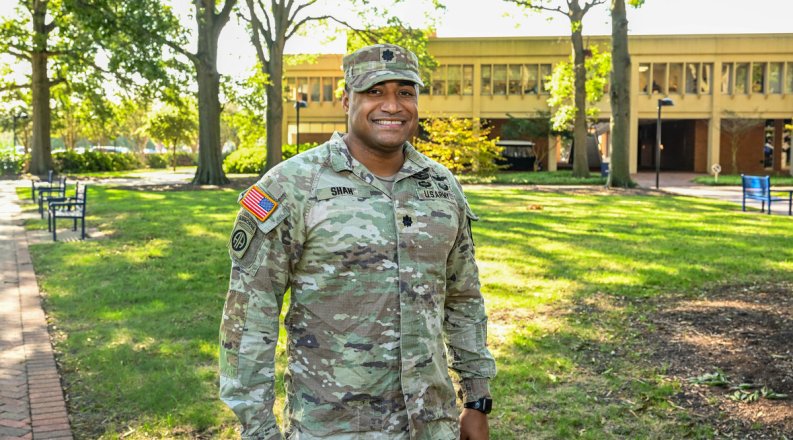
Army ROTC Instructor Shot Dead by Former National Guard Member
The killing of Lt. Col. Brandon Shah raises serious alarm about campus safety and veteran access to firearms, reflecting deeper issues within veteran mental health support systems. The incident also underscores the potential for domestic violence spilling into institutions meant for developing future military leaders.
Lt. Col. Brandon Shah, an Army ROTC instructor, was shot and killed by a former National Guard member on campus, marking a significant escalation in campus violence related to military personnel. This tragic incident occurred during normal university hours, significantly raising concerns about the safety of educational institutions attended by military cadets and veterans.
Brandon Shah had a distinguished military career, enlisting in 2003 and earning his commission in 2007, leading the ROTC program at Old Dominion University since 2022. His role not only involved training young cadets but also represented a critical link between military culture and civilian education. The shooting reflects ongoing issues surrounding access to firearms among military members, particularly veterans, and raises pressing questions regarding mental health and support for those transitioning back to civilian life.
The significance of this event extends beyond campus safety; it highlights the broader implications of how military-trained individuals integrate into civilian society. With over 18 million veterans in the U.S., instances like this expose potential vulnerabilities and the risk of domestic grievances escalating into violence. It raises alarms about the need for robust mental health resources and better screening processes for veterans with access to firearms.
Key actors in this crisis include local law enforcement, university administration, and mental health service providers. The individual who committed the shooting reportedly had prior military experience, raising concerns regarding the accountability of gun ownership among former service members. Universities and military organizations must grapple with how to support mental wellness and mitigate risks associated with veteran students.
Operationally, this devastating incident adds pressure on institutions to bolster security measures, potentially leading to increased funding for on-campus safety protocols. The university might also face scrutiny regarding their emergency response drills and preventative actions concerning mental health. Additionally, the military community will be compelled to evaluate its policies that affect veterans dealing with trauma and stress.
In the aftermath of this incident, several consequences may play out. Calls for stricter gun control policies regarding military personnel may gather momentum, potentially influencing political discourse regarding veteran rights and mental health services. The shooting could also ignite a nationwide debate about campus safety regulations and the prevalence of violence in educational settings.
Historically, there are precedents for military-related violence impacting educational institutions. The tragic 2012 shooting at Sandy Hook Elementary involved the shooter’s mother, a former teacher, emphasizing the need for comprehensive understanding of the mental health complexities within former military individuals. Instances like these have often sparked national discussions yet have failed to result in significant policy change.
Going forward, key indicators to watch will revolve around institutional responses to this tragedy. Stakeholders will likely advocate for preventive measures in gun access, enhanced mental health resources for veterans, and possibly legislative initiatives aimed at safeguarding educational environments from similar threats. Continued scrutiny of veterans' mental health care will remain vital in avoiding future incidents of this nature.