Army Reexamines Ground Vehicle Programs in Rapidly Shifting Threat Landscape
The U.S. Army signals urgent review of its ground vehicle projects amid evolving global threats. This includes key initiatives like the Common Tactical Truck program, potentially altering acquisition and deployment strategies. The reassessment underscores a broader push to adapt military vehicle capabilities to increasing battlefield complexity and technological demands.
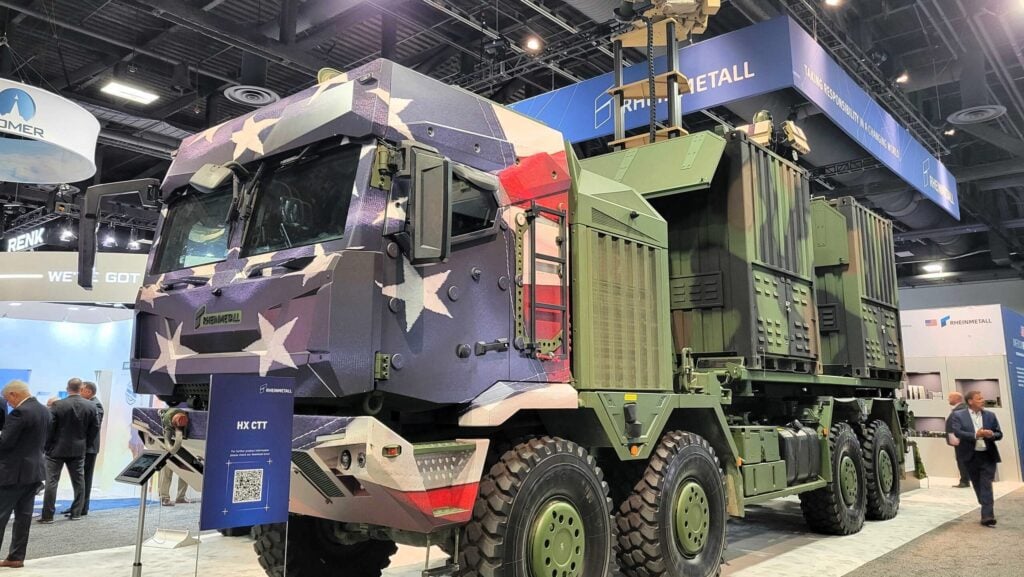
The U.S. Army announced it is reassessing its ground vehicle programs to adapt to what it calls a 'constantly evolving' operational environment. This proactive review targets significant platforms, particularly the Common Tactical Truck program, an initiative recently opened for commercial solutions. The move highlights military concern over keeping pace with rapidly changing threats and battlefield variables.
The Common Tactical Truck program aims to replace legacy logistics platforms with more versatile, reliable vehicles that can operate in contested environments. The recent commercial solutions opening sought innovative industry proposals, signaling an openness to non-traditional approaches and technologies. The timing of the review shows the Army’s intent to accelerate modernization amid tensions with near-peer adversaries.
Strategically, updating these ground vehicle projects indicates the Army’s focus on mobility, survivability, and network integration. It reflects a shift toward multi-domain operations requiring vehicles capable of supporting complex logistics under threat from electronic warfare, drones, and anti-armor weapons. Such adaptations are essential for maintaining operational advantage against China and Russia, whose own ground forces and technologies are advancing.
The Common Tactical Truck initiative seeks vehicles sized for tactical flexibility, with enhanced armor, payload, and digital systems. Requirements emphasize modularity, fuel efficiency, and easy maintenance in dispersed combat zones. The program's commercial solicitation invited prototypes incorporating advanced materials, autonomous driving options, and integrated communications to ensure interoperability across joint forces.
This reassessment may lead to revised timelines, expanded industry partnerships, or shifts in platform design priorities. Given rising geopolitical frictions and evolving enemy capabilities, accelerating ground vehicle modernization is critical. The Army’s ongoing review signals a deep imperative to reshape land mobility for future warfare challenges, ensuring platforms remain lethal and adaptable in a contested global landscape.