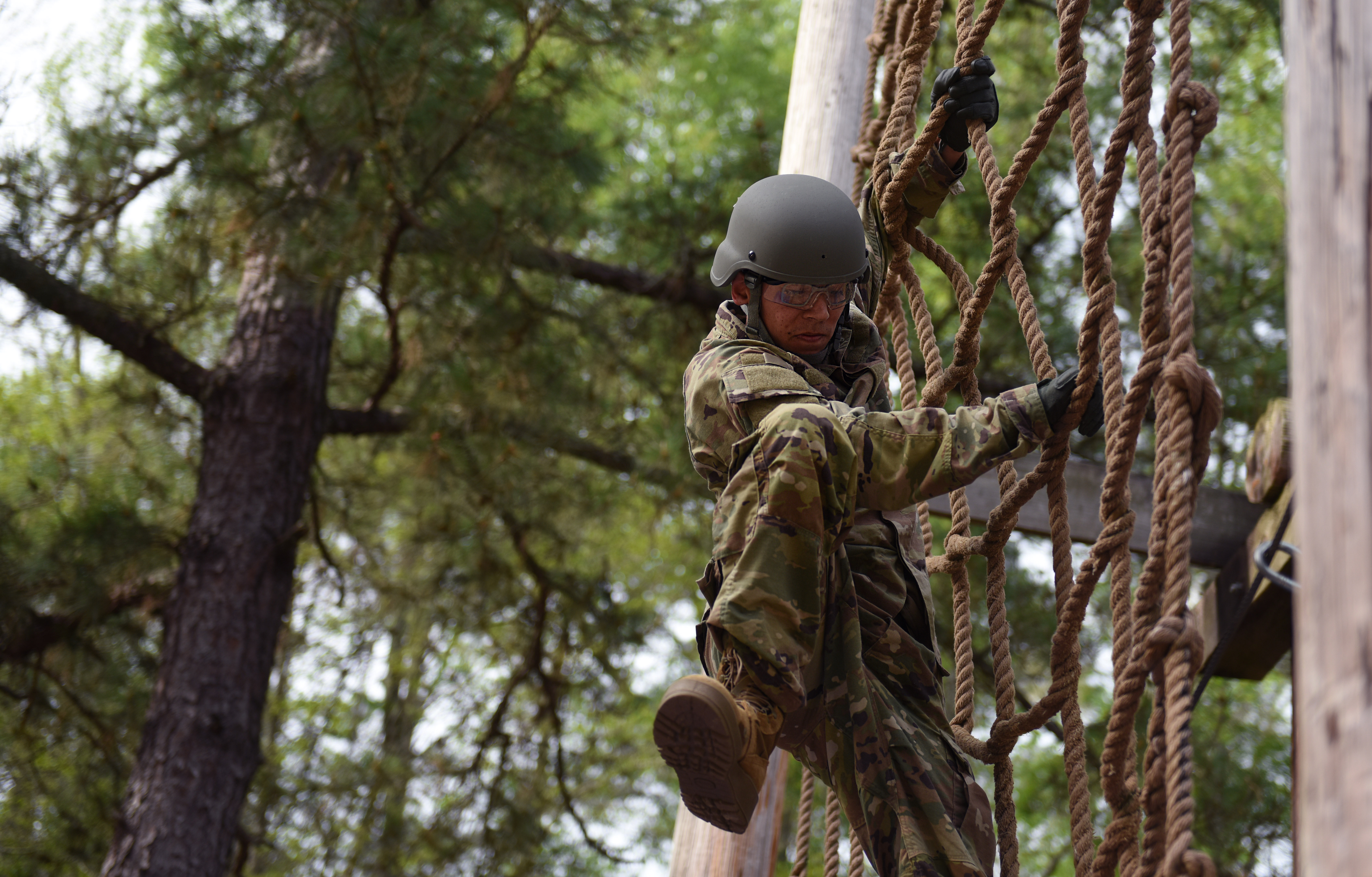
Army Raises Maximum Enlistment Age to 42, Eases Drug Convictions
The army's enlistment age increase to 42 and removal of single drug conviction barriers mark a significant shift in recruitment policy. This move aims to expand the military’s manpower pool amid global security challenges.
The army has officially raised its maximum enlistment age from 35 to 42 years, broadening eligibility for new recruits. Additionally, the service has removed previous enlistment disqualifications for candidates with a single conviction related to marijuana or drug paraphernalia. These policy changes seek to address manpower shortages and increase recruitment flexibility.
Historically, strict age limits and drug-related convictions barred many applicants from service. The previous ceiling of 35 years limited mid-career professionals and skillful veterans from joining. The zero-tolerance drug policy excluded those with minor past drug offenses—narrowing the applicant pool.
Raising the enlistment age expands access to mature and experienced individuals who can contribute immediately to operational readiness. Allowing recruits with a single minor drug conviction signals a pragmatic approach, recognizing that past youthful mistakes should not irrevocably block military careers. This reflects shifting recruitment strategies as armed forces worldwide face tightening labor markets.
Technically, the policy targets boosting force numbers without lowering training standards. The age extension applies to all occupational specialties, with medical evaluations ensuring physical suitability. The drug conviction waiver covers only one non-violent offense related to marijuana or paraphernalia, excluding serious drug-related crimes.
The enhanced age and relaxed drug policy will likely increase enlistment numbers, helping mitigate personnel shortages impacting readiness and modernization programs. However, the changes carry potential risks regarding discipline and cohesion that military leaders must manage. This signals evolving defense recruitment paradigms as global military powers adjust to competitive manpower environments.