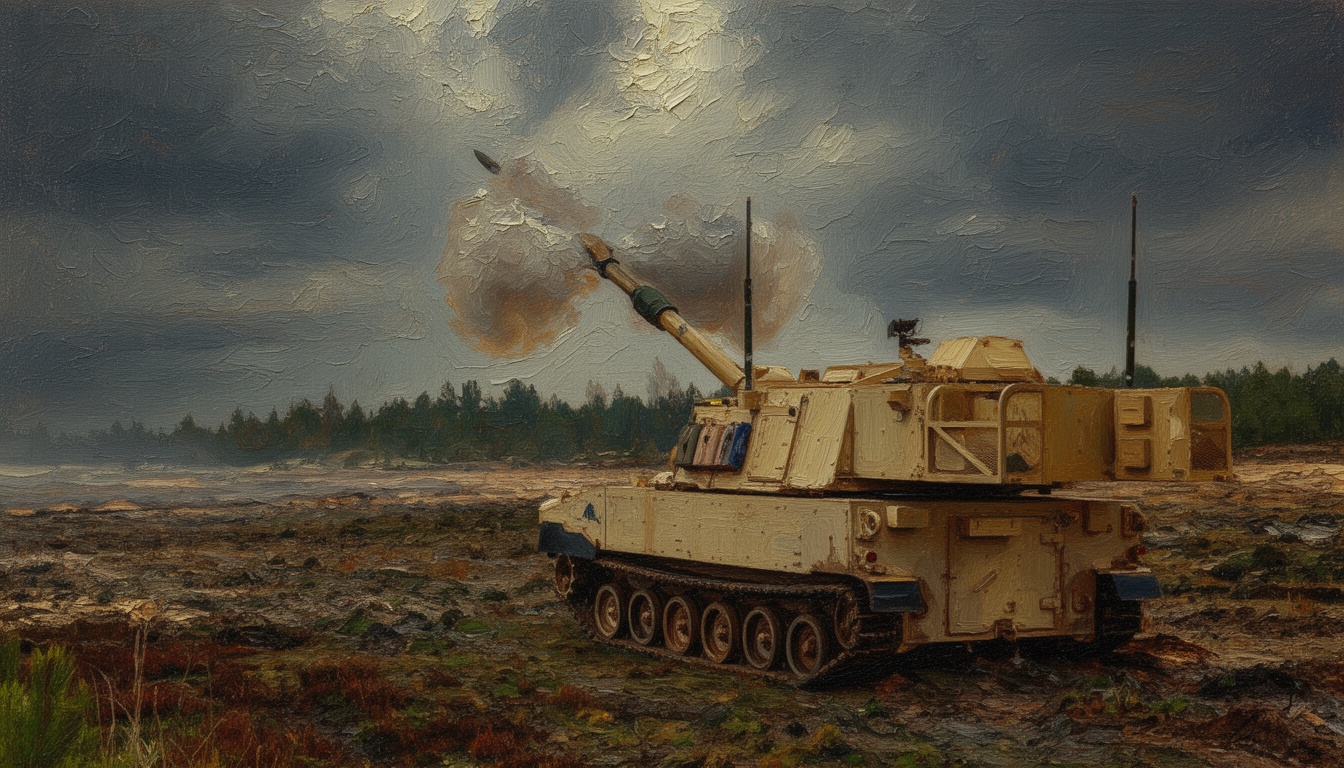
Army asks lawmakers to back production halt to Paladin line
The Army seeks congressional approval to stop Paladin production amid doubts about its battlefield tempo. Officials argue the long-running howitzer program cannot keep pace with current combat requirements. The move signals a reallocation of funding toward next-generation fires and mobility capabilities.
The Army has formally asked lawmakers to back a halt in Paladin production, citing tactical constraints observed on the front lines. Officials say the platform cannot deliver fires at the speed required by modern, rapidly evolving combat environments. The request is framed as a strategic reset, prioritizing more agile systems over continued production of the Paladin line.
Contextual testing and battlefield feedback over the past year have highlighted reliability and integration challenges with the Paladin family when tasked with simultaneous suppression and counter-battery missions. The decision aligns with broader defense priorities to accelerate fielding of next-generation artillery and targeted long-range fires. Congressional allies and defense aides are expected to scrutinize the trade-offs between ongoing sustainment and accelerated modernization.
Strategically, the move underscores a shift in how the Army views legacy systems versus disruptive technologies. If approved, the pause could slow production pipelines, compress planned upgrades, and push suppliers to reallocate capacity. The outcome will influence allied perceptions of U.S. artillery reliability and readiness, particularly among partners dependent on American munitions and fire-control ecosystems.
Technical details indicate the Paladin line encompasses self-propelled howitzers and associated support vehicles, with multiple variants in various modernization stages. Procurement and life-cycle costs, maintenance demands, and compatibility with digital coordination nets will determine how quickly a replacement system can be brought online. The ruling could spur accelerated contracts for improved range, muzzle velocity, and autonomous targeting capabilities in future artillery programs.
The likely consequences include a rebalanced defense budget, potential delay of Paladin-related export possibilities, and a clearer signal to industry about preferred avenues for investment. If Congress approves the halt, the Army will intensify studies on alternative fires platforms, infantry- and air-delivered munitions, and networked targeting. Analysts warn that the transition period may introduce short-term gaps in artillery capacity unless compensating measures are rapidly deployed.