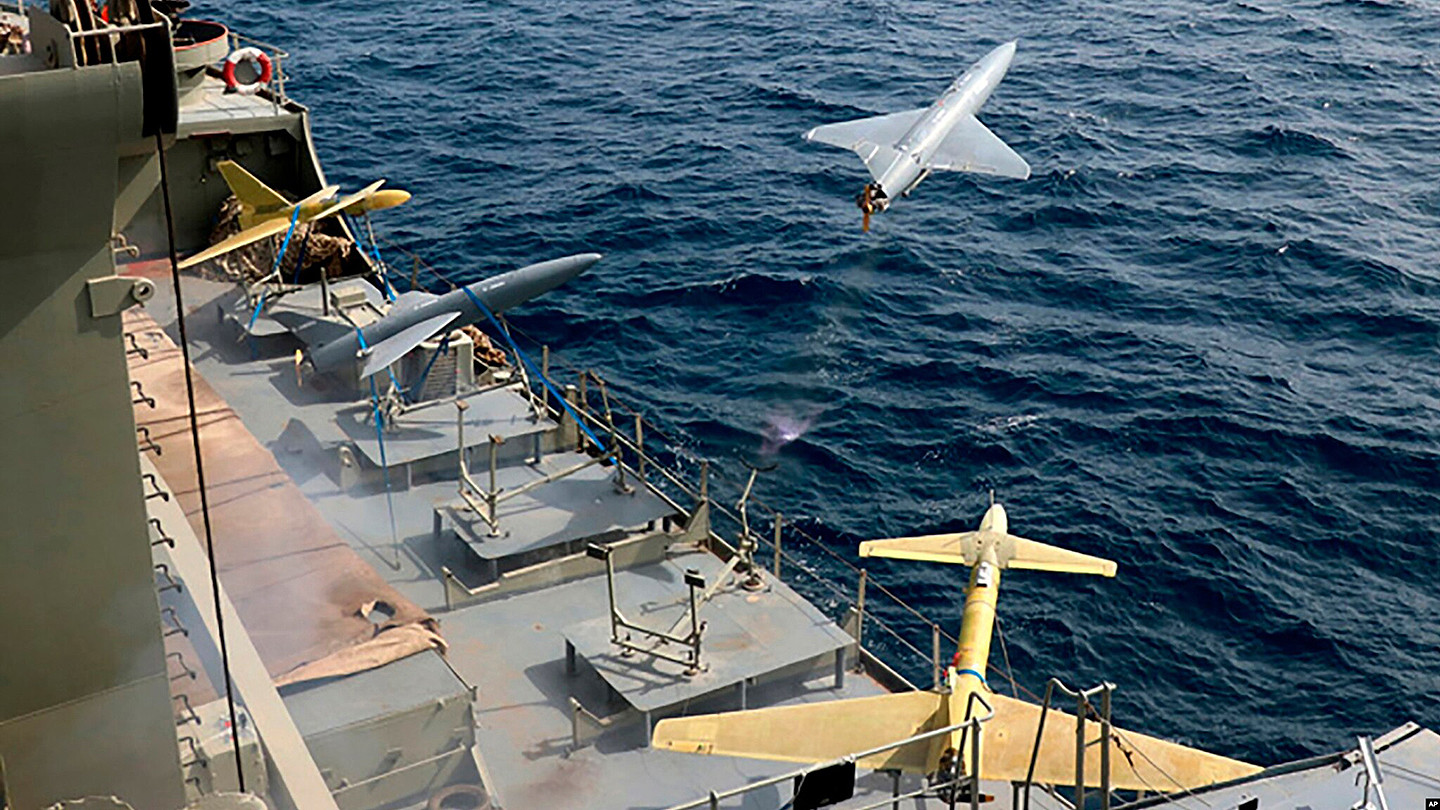
Armed Drone Threat from Maritime Vessels Escalates for U.S. Security
An FBI alert acknowledges the credible risk of armed drone attacks launched from maritime vessels, underscoring vulnerabilities in U.S. coastal defenses. This development raises alarms over potential assaults orchestrated by non-state actors or hostile nations.
The FBI has issued an alert indicating a rising threat of armed drone attacks originating from maritime vessels, marking a significant escalation in security concerns for the United States. This notification highlights a shift in tactical approaches for potential aggressors, illustrating an emerging capability that leverages sea platforms for aerial assaults.
Historically, maritime threats have evolved in tandem with technological advancements. The proliferation of drone technology has made it increasingly accessible not only to state military forces but also to non-state actors. Recent incidents, such as drone warfare in conflicts like Yemen and Ukraine, exemplify this reality and foreshadow the potential risks the U.S. faces as adversaries adopt similar tactics.
The strategic implications of this alert cannot be understated. The U.S. remains vulnerable along its extensive coastlines, which are difficult to monitor comprehensively. The possibility of drones being launched from smaller vessels off the coast indicates that traditional maritime surveillance and interception strategies may be insufficient against such asymmetric threats, allowing hostile forces to exploit security gaps.
Key actors driving this threat include non-state groups and hostile nation-states that are keen to destabilize U.S. interests. Organizations like ISIS and state-affiliated groups could leverage this capability, while countries such as Iran, with a history of proxy warfare, may seek to develop similar drone-launched maritime strategies to confront U.S. naval operations.
In terms of operational capabilities, armed drones like the MQ-1 Predator and the more advanced MQ-9 Reaper showcase the lethality and precision that contemporary drone technologies can offer, even when launched from maritime platforms. A small ship could potentially carry multiple drones, posing substantial risk to naval and coastal facilities, as well as civilian infrastructure.
Consequences of this emerging threat landscape may include heightened security measures across U.S. ports and coastal regions, increased maritime surveillance, and potentially the reshaping of naval strategies. The prospect of a successful drone attack could also trigger a severe military response that escalates tensions with potential adversaries.
Historically, we can draw parallels to the rise of asymmetric warfare tactics utilized by non-state actors in regions like the Middle East, where the introduction of drones significantly altered conflict dynamics. This trend may lead to a similar transformation in how maritime threats are perceived and countered globally.
Looking ahead, defense analysts should monitor developments regarding U.S. maritime counter-drone capabilities, along with the actions taken by adversarial nations in their naval operations. Intelligence indicators will include any increase in drone development programs reported in hostile nations or heightened incidents of maritime surveillance by U.S. naval forces in response to this alarming trend.