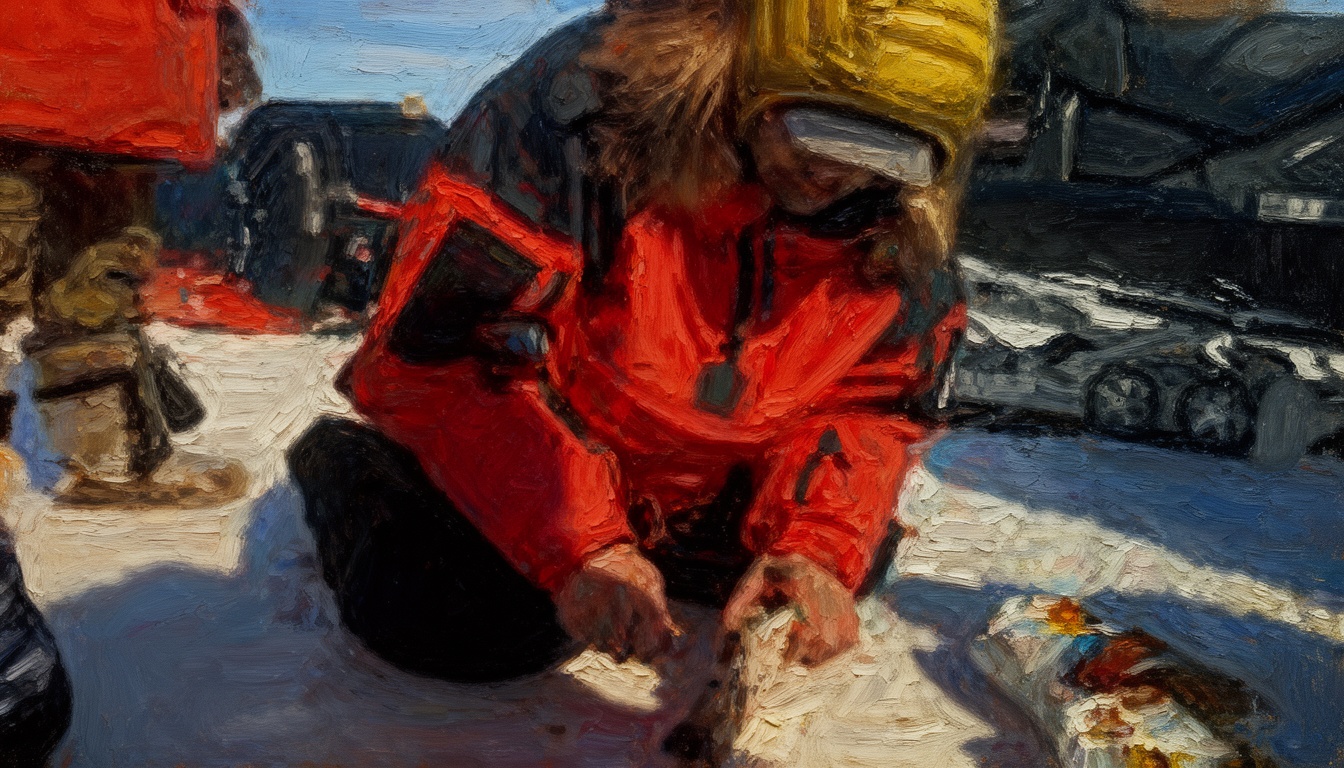
Arctic Survival Tested by Canadian Rangers: Lessons for Extremes
Strategic Arctic endurance is sharpened by training with Canada’s northernmost Rangers. The BBC profile reveals how extreme cold, isolation, and terrain shape readiness. Lessons matter for alliance deterrence and high-latitude operations.
The Arctic demands more than endurance; it requires disciplined, adaptive tactics. Canadian Rangers trained in endurance, navigation, and cold-weather medicine, revealing a practical playbook for surviving in one of the planet’s harshest theaters. The BBC collaboration with the military highlights routines that blend fieldcraft with community resilience, a core component of deterrence in the north. The narrative centers on real environments, not simulations, underscoring the physical and mental costs of Arctic duty.
Historically, the region has stretched defense planning and supply chains. The Rangers’ exercises illuminate how signals, logistics, and local knowledge converge to sustain presence in remote outposts. The piece also situates Canada’s northern strategy within broader Arctic competition, where climate shifts drive new patrol patterns and partnerships. In this context, survivability translates into persistent, credible deterrence and rapid response capability.
Strategically, Arctic readiness is a force multiplier for alliance operations. The lessons emphasize mobility in snow, endurance in storms, and decision cycles under whiteout conditions. These elements contribute to broader deterrence by denial, complicating any adversary’s calculus about denyable access or tempo in the region. They also inform modernization choices for cold-weather platforms and communications resilience.
Technical details focus on gear, medical readiness, and navigation protocols. Rangers discuss immersive training, specialized clothing systems, and sled or light-vehicle mobility. They also cover emergency evacuation procedures, survival kits, and radio discipline under extreme cold. Budget and force composition specifics are not disclosed, but the emphasis is clear: Arctic capability rests on disciplined personnel and robust support networks.
The immediate consequence is a sharper perception of the Arctic as a distinct military domain. Expect greater emphasis on cold-weather training in officer and NCO development tracks, plus expanded cooperation with northern communities and allied partners. Looking ahead, climate-driven activity and contested sea routes will push universities, industry, and military labs to accelerate resilient technologies and logistics solutions. The result could be a more capable, more wary northern posture for years to come.