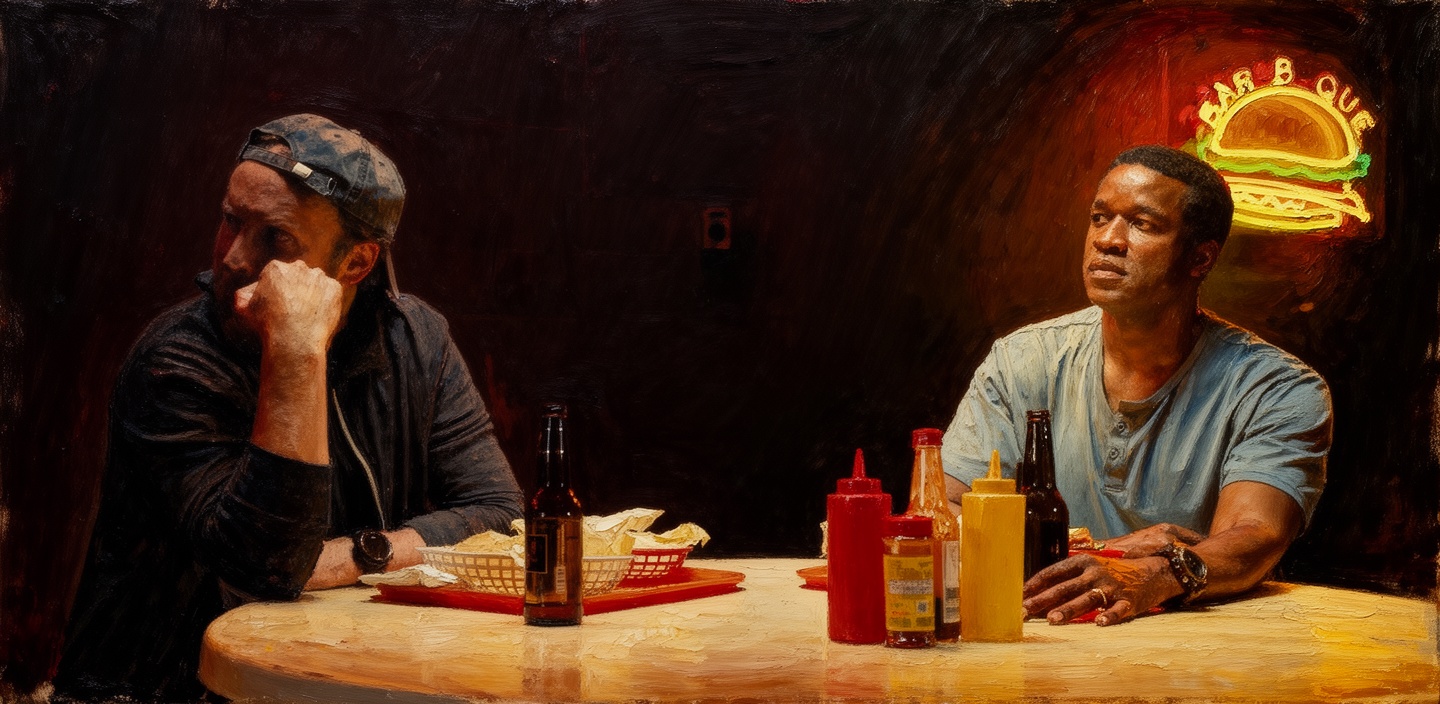
American Solitaire exposes a veteran’s invisible wounds
Aaron Davidman’s documentary centers a combat veteran returning from Afghanistan, highlighting the private battles he fights beyond the battlefield. The film sheds light on psychological and social challenges faced by veterans rejoining civilian life. Its global security impact is minimal, but it spotlights human costs often overlooked in defense discourse.
The film follows a single veteran as he tries to re-enter everyday life after Afghanistan. It foregrounds what remains unseen: the years of service, the memory scapes, and the quiet ruptures that haunt daily routines. The narrative moves through moments of tension, ordinary errands, and fragile routines that reveal the toll of combat. The filmmaker crafts a portrait that refuses to glamorize heroism, instead centering the slow work of healing.
Contextually, veteran reintegration stories have circulated for years in both policy debates and cultural spaces. This documentary arrives at a moment when societies are reassessing how to balance gratitude with accountability for those who served. The film intersects with broader conversations about mental health support, housing, employment, and social inclusion for veterans. It does not propose policy prescriptions, but it invites reflection on systemic gaps.
Strategically, the piece does not alter geopolitical balances or defense postures. Its relevance lies in human terrain: the civilian-military interface where post-conflict societies bear the cost of prolonged deployments. By foregrounding an individual’s experience, it challenges audiences to consider how military engagement translates into long-term civilian consequences. The film thus contributes to a more nuanced public understanding of war’s aftershocks.
Technically, the documentary leans on intimate observational cinematography and tight, personal interviews. It emphasizes realism over spectacle, with sound design that quietly amplifies intrusive memories and fragmented routines. The production highlights a veteran’s daily life: sparse social contact, the weight of obligations, and the slow cadence of recovery. There are no dramatic battle scenes, but the emotional battlefield is persistent and palpable.
Looking forward, the film may influence viewers to demand greater veteran support in communities and media portrayals. It raises questions about access to care, the sufficiency of veteran services, and the social reintegration mechanisms that can prevent relapse. While not a call to arms, it signals a need for sustained attention to those who carry invisible wounds long after returning home.