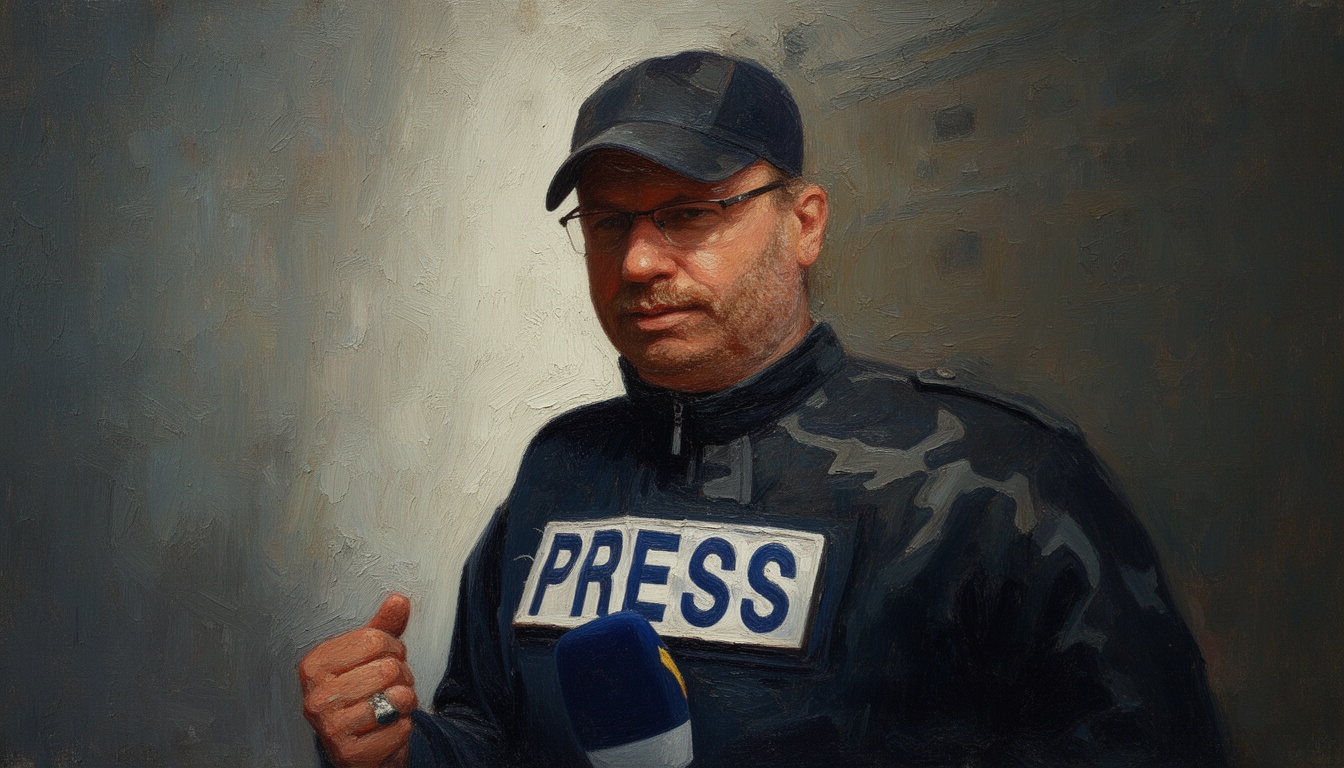
Altered image used to smear slain Lebanese journalist, probe opened
A press association denounces an altered image published by Israeli forces depicting slain Lebanese journalist Ali Shoeib in Hezbollah attire. Israel later admitted the image was photoshopped. The incident underscores persistent combat-era misinformation and the fragility of battlefield narratives.
An official press association has condemned the publication of an altered image tied to the killing of Lebanese journalist Ali Shoeib, asserting it weaponizes visual propaganda. The image appeared online with Shoeib shown wearing a Hezbollah uniform, a claim that aimed to rationalize an Israeli strike on March 28. Subsequent admissions from the Israeli army confirmed the image had been photoshopped, highlighting deliberate manipulation of visual evidence in a live conflict zone.
The episode follows the March 28 strike in which Shoeib, a veteran Lebanese reporter, was killed amid intensified Israeli raids. The miscaptioned image was circulated across social platforms and relayed by some media outlets, prompting immediate questions about source credibility and the integrity of contested battlefield footage. The press association called for accountability and warned that such fabrications erode trust at a time when independent reporting is paramount.
Strategically, the incident intensifies scrutiny of information warfare across the Israel-Lebanon theatre and broader regional reporting. Visual deception can shape international reactions, complicate casualty tallies, and influence diplomatic pressure. If left unchecked, it could harden information-driven narratives that conflict with on-the-ground realities, influencing how external actors calibrate their responses and humanitarian considerations.
From a technical standpoint, the sequence—publication of a fabricated uniform, quick emergence of a retracting admission—illustrates how digital manipulation can be weaponized to produce plausible but false context. The affair raises concerns about verification pipelines within military social media ecosystems, the speed of propaganda cycles, and the vulnerability of journalists and outlets to adversarial influence campaigns. Investigations are likely to focus on the original source, distribution channels, and the timing of the army’s public correction.
Looking ahead, expect heightened demands for independent verification and clearer attribution standards in conflict reporting. Media watchdogs may push for sanctions or formal admonitions against channels that disseminate clearly manipulated material. The broader security implication is a renewed emphasis on resilience against image-based manipulation in wartime, shaping how policymakers, editors, and tech platforms respond to future misinformation campaigns.