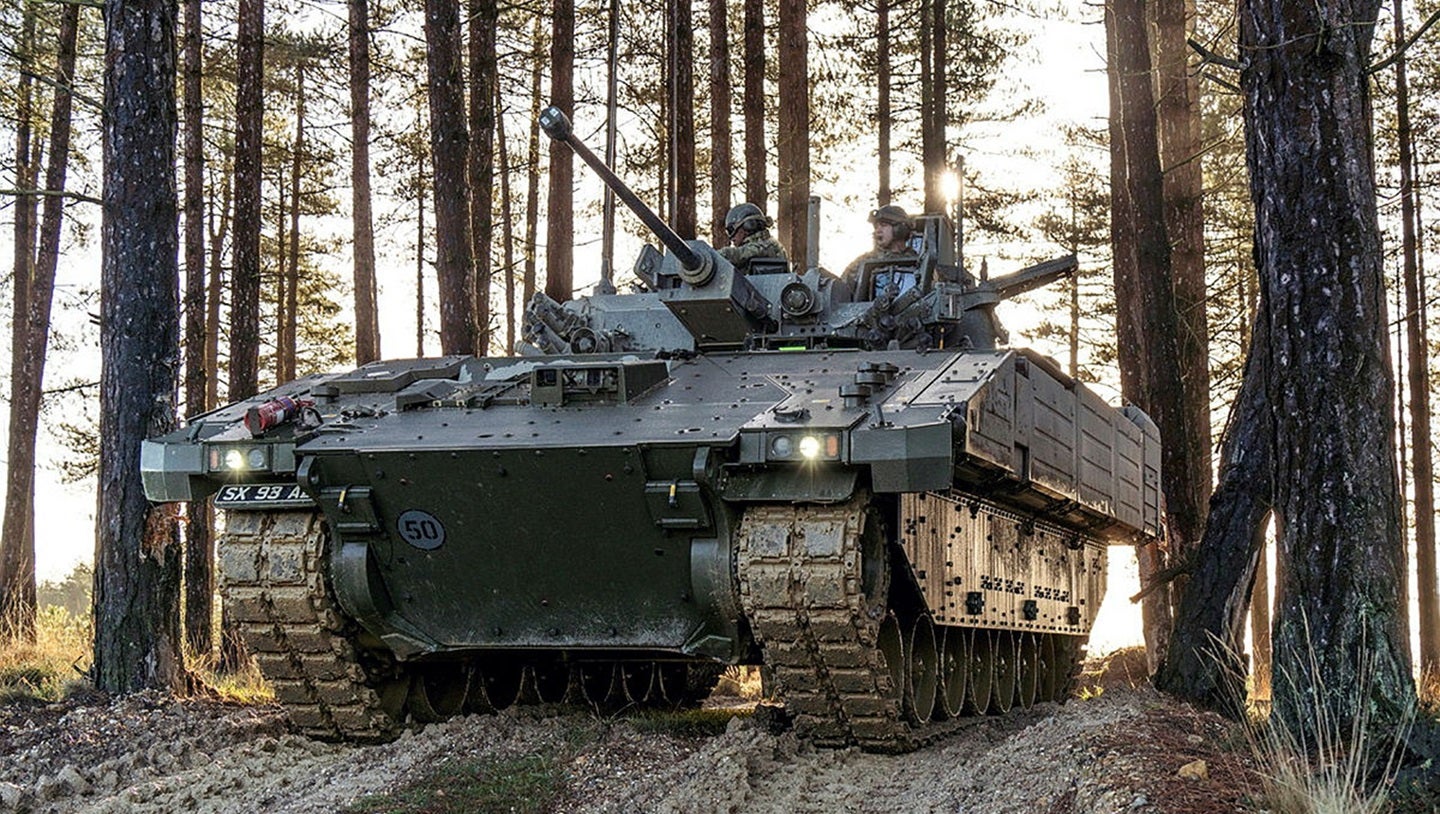
Ajax Armored Vehicle Production Resumes Amid Ongoing Investigations
Despite reported defects and ongoing investigations, production of the Ajax armored vehicle will proceed as scheduled. This decision raises concerns regarding safety standards and operational readiness within the UK military framework.
The UK Ministry of Defence has announced that production of the Ajax armored vehicle will continue without interruption, despite multiple reports from training crews regarding defects and three concurrent investigations into the program's compliance and safety standards. The Ajax vehicle, intended to replace the aging FV432, is a key component of the British Army's modernization efforts and was initially slated for extensive deployment by 2025.
This decision to maintain production raises significant concerns about operational integrity and military readiness, particularly given the high-profile nature of the Ajax program and considerable financial investment made thus far. Allegations of defects, including noise and vibration issues that could adversely affect crew performance, challenge the reliability of this critical asset. As tensions rise internationally, the UK's ability to field a competent armored force is increasingly scrutinized.
The key players include the UK Ministry of Defence, which aims to adhere to contractual obligations with the contractor General Dynamics UK, while balancing safety and performance expectations. Reports indicate that the military leadership is motivated to resolve defects quickly to mitigate further delays and restore confidence in the Ajax project's efficacy, but these commitments must not come at the cost of operator safety.
The implications of continuing production amidst investigations could have regional effects, particularly concerning NATO's perception of UK's military reliability in joint operations. If defects persist and operational failures are realized, the UK might face challenges in maintaining its strategic posture in Europe, especially in light of Russian aggression. Additionally, failure to deliver capable vehicles could impair the UK’s contribution to collective defense efforts.
Historically, rushed military procurement programs plagued by technical deficiencies have led to long-term operational challenges. Notable precedents include the procurement issues surrounding the A400M and F-35 programs, which highlighted the importance of stringent quality assurance processes. The current trajectory of the Ajax program suggests a troubling pattern that could resonate negatively within UK military capabilities.
Moving forward, the focus should be on ensuring that investigations yield actionable insights while addressing defects without undue delay. Until issues are reconciled, scrutiny over Ajax’s operational deployment will likely diminish the UK Army's readiness perception both domestically and with allies, potentially affecting future procurement and military collaboration decisions.