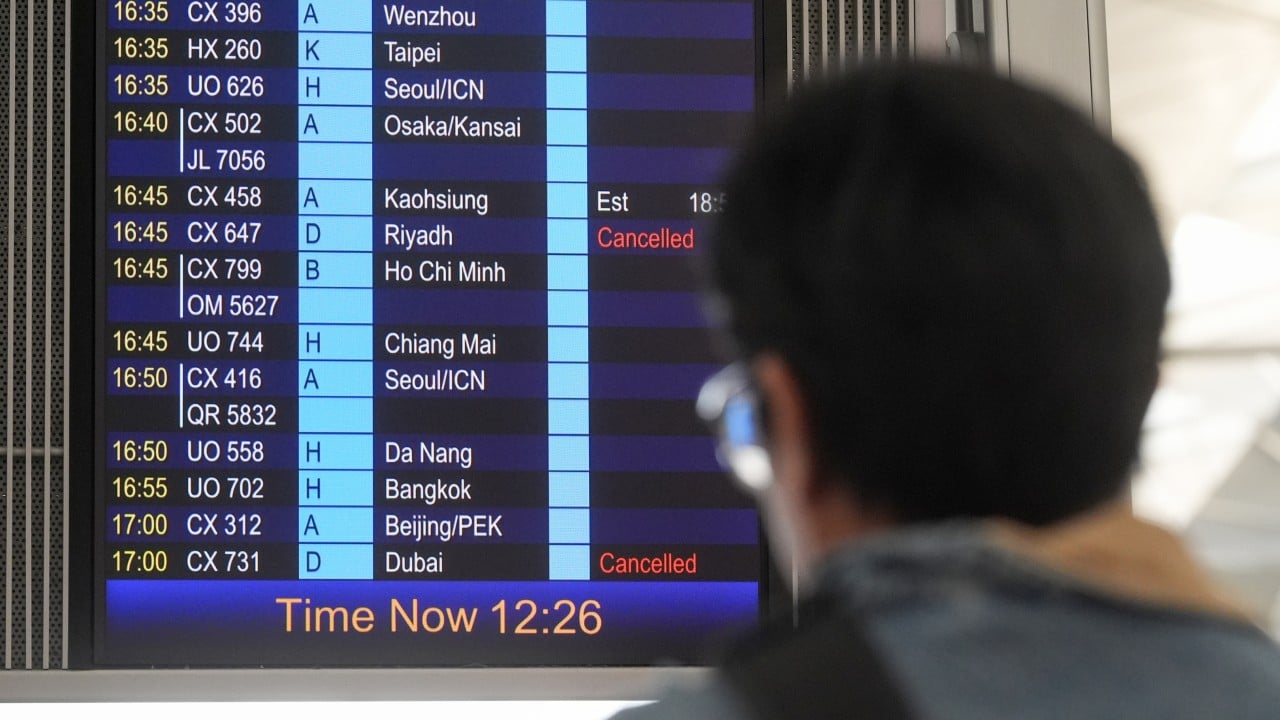
Airfares from Hong Kong to West Triple Amid Iran Crisis
Surging airfares indicate significant economic repercussions from escalating geopolitical tensions in the Middle East, particularly following US-Israeli military strikes on Iran and expected retaliations. This shift reveals vulnerabilities in global travel logistics and highlights the intertwining of military conflict and economic stability.
Airfares from Hong Kong to major destinations in Europe, the Americas, and select Asian cities have skyrocketed, roughly tripling in value following recent escalations in military activity involving the United States and Israel's joint strikes against Iran. This surge underscores the immediate impact of geopolitical tensions on global travel, especially on routes reliant on Middle Eastern aviation hubs. The speed of this increase reflects intense market reactions to perceived risks stemming from the ongoing crisis.
Historically, Hong Kong has served as a crucial transit point for international travel, particularly to Western regions. The recent military engagement by the US and Israel against Iran not only signals a shift in Middle Eastern geopolitics but also elicits fears of retaliatory actions that could disrupt air travel to and from affected regions. Prior incidents, including the 2019 tensions following the US withdrawal from the Iran Nuclear Deal, have shown how quickly flight routes can be affected by regional instability.
This development is significant as it exposes vulnerabilities in global transportation networks and economic interdependencies linked to military conflicts. Travelers now face increased costs, and airlines may need to adjust routes significantly to minimize risk exposure, which could lead to operational reshuffles and decreased seat availability on these high-demand routes. Economic pressure could also discourage travel from one of the world's major global financial hubs.
Key actors in this scenario include the United States as the initiator of military actions, Israel as a regional partner, and Iran as a potential retaliator. The motivations for the US and Israeli strikes stem from longstanding tensions regarding Iran's military capabilities and its influence in the region. Conversely, Iran's expected retaliatory measures will likely aim to showcase its strength and deter further foreign intervention, creating a cycle of escalation.
On the operational front, airfares skyrocketing to around three times their usual cost poses questions about airline profitability and passenger accessibility. This trend may prompt airlines to reassess their pricing structures and route planning, leading to reduced passenger capacity on high-demand routes. The averaged fare hikes observed since Tuesday are likely to persist unless a de-escalation occurs or airlines adapt swiftly to the evolving risk environment.
The likely consequences include increased costs for travelers, operational adjustments by airlines, and potential long-term shifts in air travel patterns as regions assess security risks more thoroughly. If hostilities escalate, further retaliatory actions could occur, leading to even greater unscheduled disruptions in travel, heightening the economic impact as consumers opt to avoid high-risk regions altogether.
Historically, air travel crises have been felt sharply during high-tension scenarios, such as the Gulf War in the early '90s, which led to plummeting passenger confidence in certain areas. Additionally, the 2014 Ukraine crisis demonstrated how quickly air travel routes could be rerouted in response to military conflicts. This current situation, with its intense geopolitical underpinnings, reflects how swiftly the aviation landscape can shift due to external pressures.
Moving forward, scrutiny should focus on international travel advisories and airline policy changes in light of ongoing geopolitical tensions. Indicators to monitor include further military actions by the US or its allies against Iran, retaliatory attacks from Iranian proxies in the region, and the potential for changes in air travel regulations that could temporarily disrupt flight operations in the Middle East. Additionally, observe how rapidly airlines reconfigure schedules and pricing in response to evolving security assessments to mitigate economic impacts on their operations.