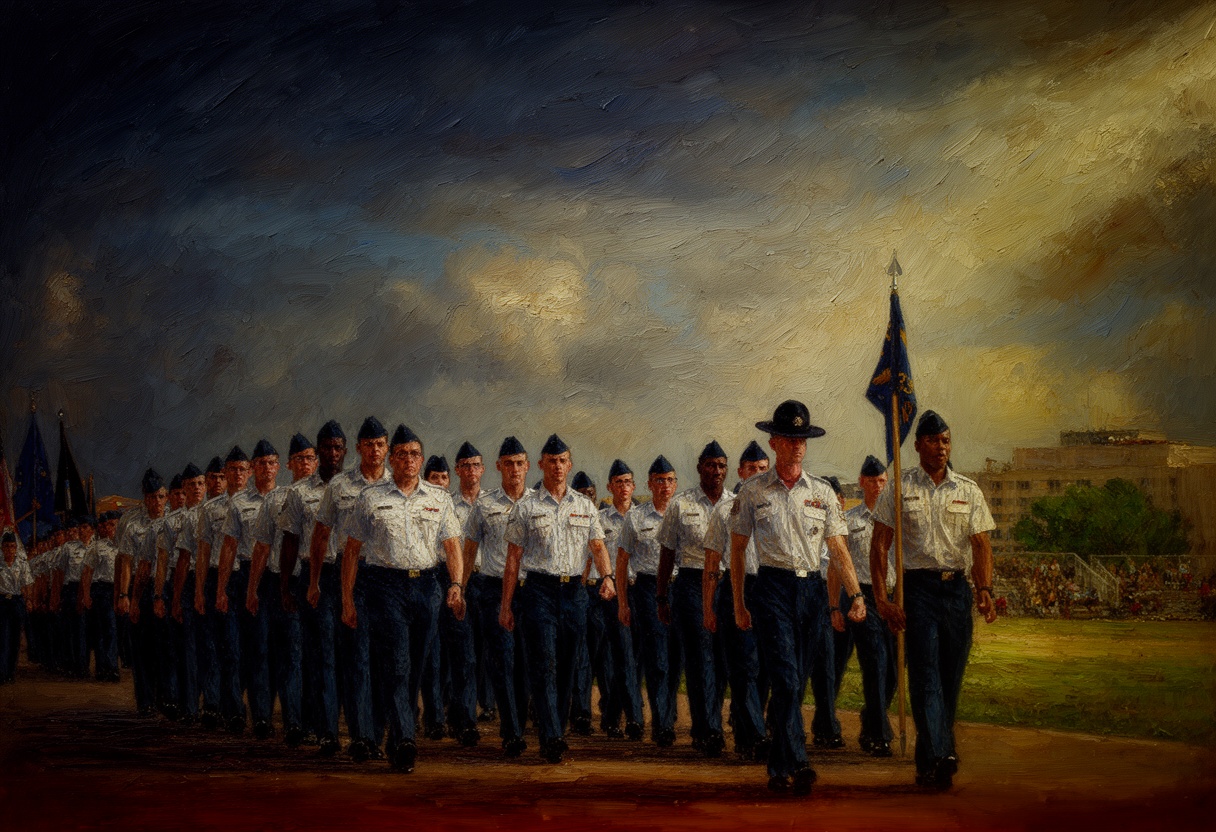
Air Force hits fiscal 2026 recruitment goal ahead of schedule
The U.S. Air Force and Space Force meet their fiscal 2026 recruiting target months early, aided by the Delayed Entry Program. Officials claim the goal was reached in part due to accelerated enlistment pathways and improved recruiting pipelines. The development signals steady manpower growth but raises questions about long-term retention and capacity to sustain force readiness.
The Air Force and Space Force have reached their fiscal 2026 recruiting targets five months before the end of the year, a swing that surprised some observers. Officials attributed the achievement in part to the Delayed Entry Program, which allows applicants more time between the initial enlistment and entry into boot camp. The early success also reflects ongoing investments in recruitment advertising, flightline career pipelines, and the rebalancing of incentives to attract high-demand specialties.
Background: The Delayed Entry Program has become a central lever in weathering fluctuations in applicant quality and demographics. Over the past year, the services have faced competition from civilian labor markets and the lure of private-sector tech jobs. The shift toward flexible entry points, expanded national advertisements, and targeted outreach to underrepresented communities has contributed to the final push that carried the year’s numbers over the line.
Strategic significance: Achieving the recruitment goal ahead of schedule provides a modest boost to readiness across the Air Force and Space Force. It supports force generation plans for high-demand specialties such as cyber operations, space control, and maintenance, while also maintaining morale among recruiters and current airmen. The result may influence budgeting priorities, personnel tempo, and the pacing of new training pipelines in the coming months.
Technical and operational details: The services reported that total accession figures for fiscal 2026 surpassed the earlier projections. Specific numbers for new recruits and the distribution by career field were not released in detail, but officials noted steady gains in cyber, space, and maintenance categories. The Delayed Entry Program processed a higher share of applicants who previously paused applications due to the pandemic-era backlog, enabling more predictable entry flow for basic training cohorts.
Consequences and forward assessment: The early completion of the recruitment goal reduces short-term staffing risk for critical missions. However, analysts caution that recruitment is only one aspect of readiness; retention, reenlistment, and successful completion of training will ultimately determine long-term force strength. If the momentum persists, leadership will reassess incentives and pipeline timing to sustain favorable manpower levels through fiscal 2027.