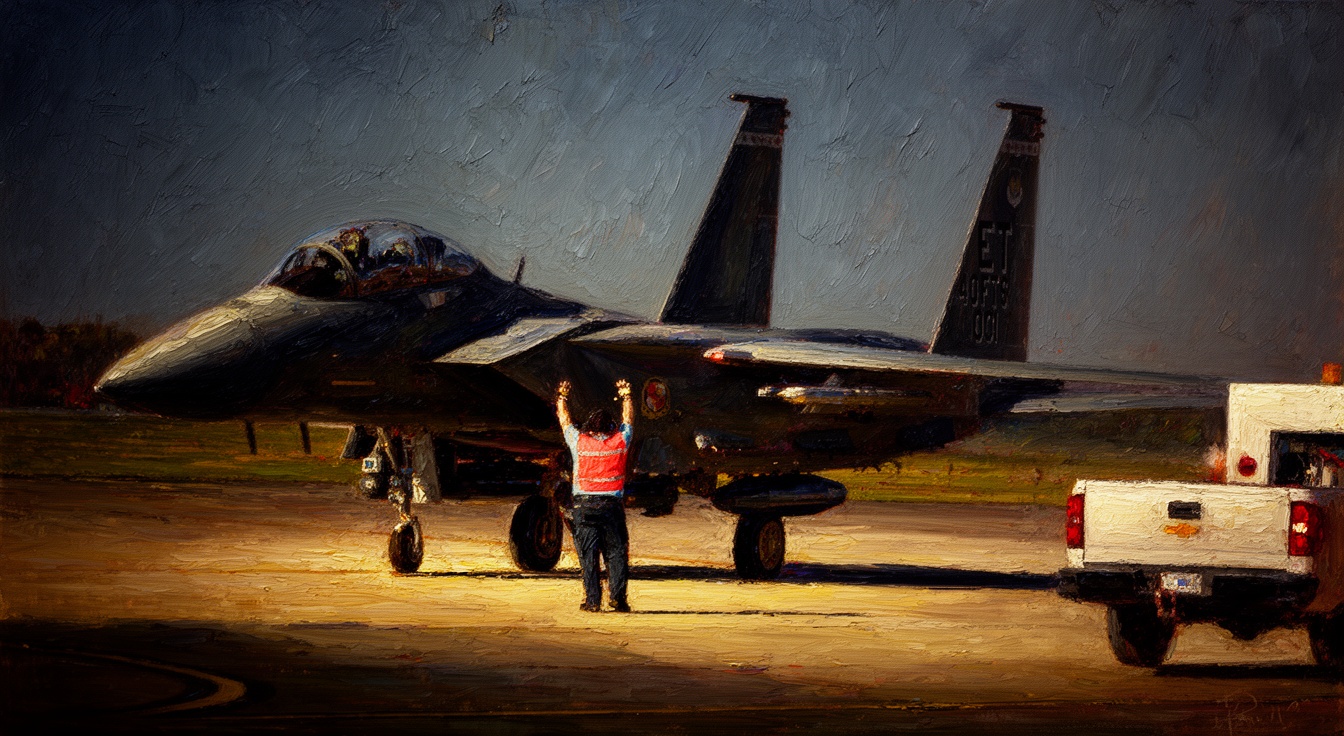
Air Force Eyes Massive Boost for F-15EX Fleet
The U.S. Air Force fiscal 2027 budget outlines a substantial increase for the F-15EX program, signaling a push to expand air-combat capacity. Meanwhile, funding remains favorable for the F-35 and deliberate retirement slowdowns for legacy platforms like the A-10 Warthog. The package reflects a broader effort to modernize the fighter fleet while preserving mission flexibility across platforms.
The Air Force is signaling a large budgetary push to grow the F-15EX fleet in its fiscal 2027 plan. The document shows a marked increase in procurement and sustainment funding for the F-15EX, suggesting a strategic emphasis on augmenting air superiority and rapid upgrade potential. The move comes as the service balances modernization with readiness for concurrent global contingencies. This prioritization indicates a clear preference for expanding fourth-generation capabilities alongside newer fifth-generation assets.
In tandem, the budget preserves and slightly enhances funding for the F-35 Joint Strike Fighter program, underscoring continued multirole density across close air support, interdiction, and air defense. The Air Force signals that current F-35 procurement and sustainment lines will continue unabated, maintaining distributed lethality and interoperability with allied forces. This keeps joint force access and advanced sensor fusion at the core of the Air Force’s multi-domain posture.
Conversely, the plan slows the retirement schedule for the A-10 Warthog and other legacy platforms. The A-10’s survivability and close-air support niche remain valued in specific theaters, even as the service pursues higher-end capabilities. The deliberate retention demonstrates a hedging strategy—preserving potent but older platforms to backstop evolving fleet mixes as newer assets mature.
Technical notes show a mix of airframe selections, with the F-15EX entering service as a high-end, cost-effective interim edge alongside the F-35. Procurement pathways favor growth in fleet size and sortie generation, with lifecycle management emphasizing sensor upgrades and mission-system refreshes. Budget controls emphasize operational readiness, maintenance throughput, and the ability to surge in periods of elevated tension across multiple theaters.
Looking ahead, analysts expect this funding trajectory to influence regional deterrence and alliance planning. A larger F-15EX fleet could alter air tug-of-war dynamics with rivals and complicate adversary targeting calculations. If sustained, the approach could accelerate integrated air defense upgrades and bolster long-range strike posture in key regional hotspots.